
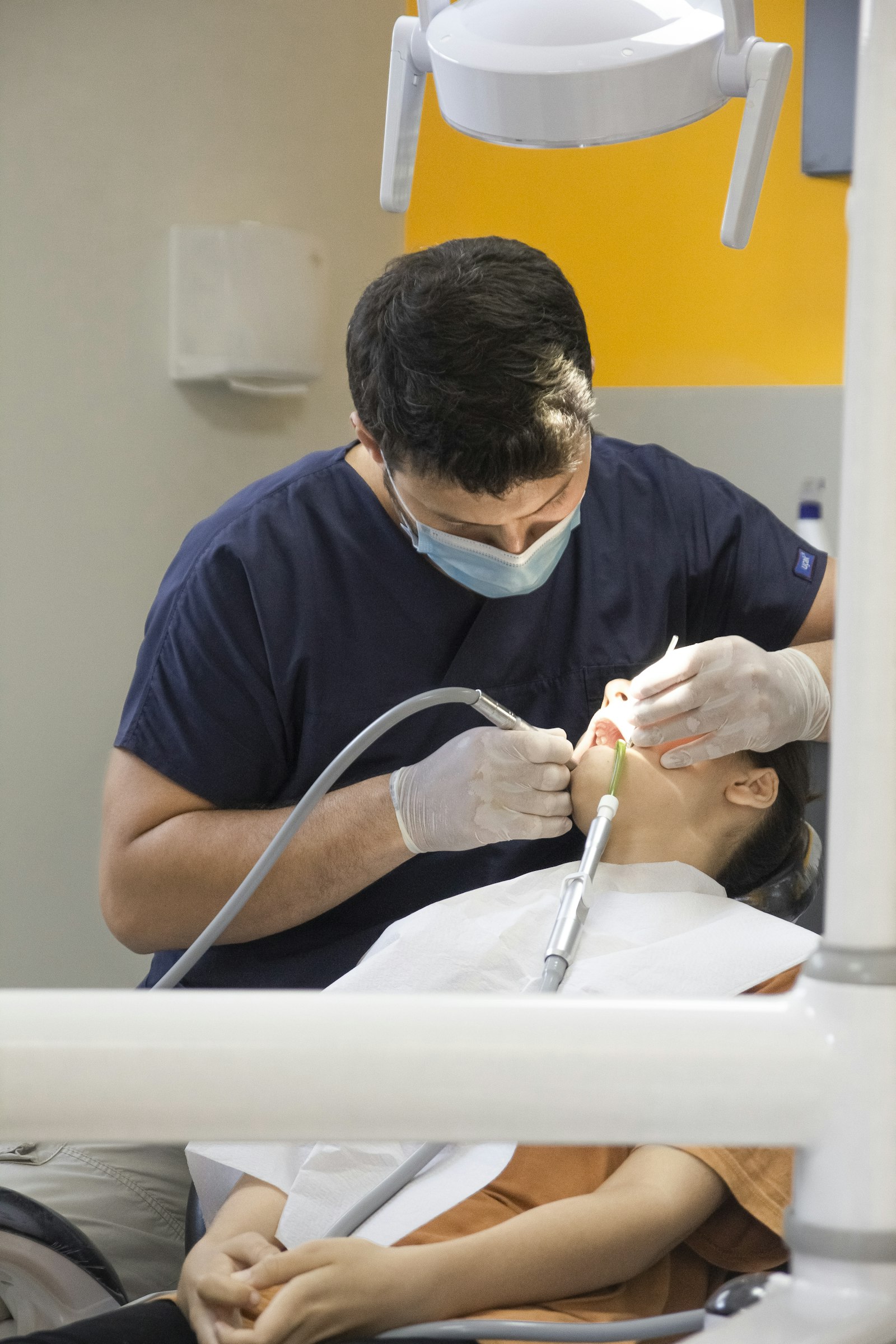

True allergic reactions to dental materials are uncommon, but latex gloves, certain metals, acrylic components and some local anaesthetic ingredients can occasionally cause reactions ranging from a mild rash to rarely a serious emergency. If you have a known allergy, the most useful step is to tell your dentist before treatment starts, so that materials can be chosen to suit you.
Many patients who believe they are allergic to dental anaesthetic have actually experienced a fast heartbeat from adrenaline or a faint feeling from anxiety, which is different from a genuine allergy. This guide explains the difference and the most common triggers.
Key takeaways
- Genuine allergy to local anaesthetic is rare. Most reactions are from anxiety, adrenaline or fainting.
- Latex allergy is well recognised, and latex-free gloves and equipment are widely available.
- Metal allergies, particularly to nickel, can be relevant for some crowns, braces and wires.
- Tell your dentist about any allergies, previous reactions and medicines on your health history form.
- Seek urgent medical help for swelling of the lips or throat, difficulty breathing or widespread hives.
Common triggers and what to know
| Material | Where it is found | Possible reaction |
|---|---|---|
| Latex | Gloves, rubber dams, some orthodontic elastics | Skin rash, itching, rarely more serious reactions |
| Nickel and other metals | Some orthodontic wires, stainless steel crowns, some partial denture frameworks | Gum irritation, rash around the mouth, white patches |
| Acrylic (methacrylate) | Dentures, some temporary crowns, retainers | Sore mouth under a denture, burning sensation |
| Eugenol (clove oil) | Some temporary fillings and cements | Burning, local irritation |
| Local anaesthetic | Injections for numbing | True allergy is rare, but preservatives or additives can occasionally cause reactions |
| Chlorhexidine | Some mouthwashes and gels | Rarely, skin or mouth irritation |
Is it an allergy or something else?
An allergy is an immune response. Signs include hives, itching, swelling of the lips, face or tongue, wheezing, or a drop in blood pressure. In contrast, a racing heart, shakiness or a metallic taste after a dental injection is usually due to the adrenaline in the anaesthetic, and fainting is often linked to anxiety or the sight of a needle. Both are common and not allergic. Our guide on when local anaesthetic does not work covers related questions, and the guide to adult dental anxiety explains how to manage nerves.
Latex allergy
Latex allergy can range from skin irritation (contact dermatitis) to a more serious immediate reaction. People with a history of latex allergy, spina bifida or frequent exposure to rubber products may be at higher risk. Dental clinics can use latex-free gloves and equipment. See our article on latex-safe dental care for an example of how clinics plan for this.
Metal sensitivity
Nickel allergy is among the most common contact allergies. Some orthodontic wires and stainless steel crowns contain nickel, although the amount released in the mouth is small and most people with a nickel allergy tolerate them. If you have a confirmed allergy, options such as ceramic, zirconia or nickel-free alloys may be available. See our guides to ceramic versus zirconia crowns and types of dental crowns and materials.
Symptoms that may point to a metal reaction include a persistent metallic taste, red or swollen gums next to a restoration, or a rash around the mouth. These symptoms have other more common causes, so a dental assessment is the first step.
Denture and acrylic reactions
A sore, red mouth under a denture is more often caused by poor fit or a yeast infection than by acrylic allergy. If the problem continues after the denture is adjusted and cleaned, your dentist may discuss alternative materials. Our denture care guide explains routine care.
How to prepare for treatment
- Write down your allergies and reactions. Include the date, the product and what happened.
- Bring letters or results. If an allergist has tested you, bring the report.
- Tell the team at the start. This helps them choose gloves, anaesthetic and materials.
- List your medicines. Some interact with adrenaline or other ingredients.
- Ask about alternatives. Most materials have alternatives.
Allergy testing
If you think you reacted to a dental product, an allergist or clinical immunologist can arrange testing. Patch testing can help identify metal and acrylic sensitivities. Your dentist can provide the name of the material or anaesthetic used, which makes testing more accurate.
Frequently asked questions
Can you be allergic to dental anaesthetic?
It is possible but rare. Most reactions are due to adrenaline, anxiety or fainting. Testing can help clarify.
What happens if I am allergic to latex?
Your dental team can use latex-free gloves and equipment. Let them know when you book.
Can a filling or crown cause an allergic reaction?
Rarely. Gum irritation next to a restoration can be an allergic reaction, but plaque build-up is more likely.
Are there metal-free options?
Yes. Ceramic and zirconia crowns, composite fillings and flexible dentures are common metal-free choices, depending on the treatment.
When is it an emergency?
Swelling of the lips or throat, trouble breathing or widespread hives need urgent medical help. Call 000.
Plan your care
The team at Lumi Dental reviews your health history before treatment and can discuss suitable materials during a general consultation. New patient information is on the current deals page.
This article is general information and does not replace advice from your doctor, allergist or dentist.


