


Amelogenesis imperfecta is an inherited condition in which the enamel, the hard outer layer of the teeth, does not form properly across most or all of the teeth. Depending on the type, the enamel can be too thin, too soft, poorly mineralised, or some combination, leaving teeth that may be yellow or brown, sensitive, rough, and prone to wear and chipping. It is uncommon, with reported prevalence ranging from around 1 in 700 to 1 in 14,000 depending on the population, and unlike a one-off enamel patch it tends to affect the whole mouth and runs in families. With early, planned care, children with amelogenesis imperfecta can keep comfortable, functional and natural-looking teeth.
Key takeaways
- Amelogenesis imperfecta is a genetic condition affecting enamel on most or all teeth, both baby and adult.
- Teeth may be discoloured, sensitive, rough and prone to wear because the enamel is thin or soft.
- It is inherited and often appears in several family members.
- It differs from MIH, which affects only certain teeth, and from staining, which is on the surface.
- Treatment is staged through childhood and into adulthood to protect teeth and improve appearance.
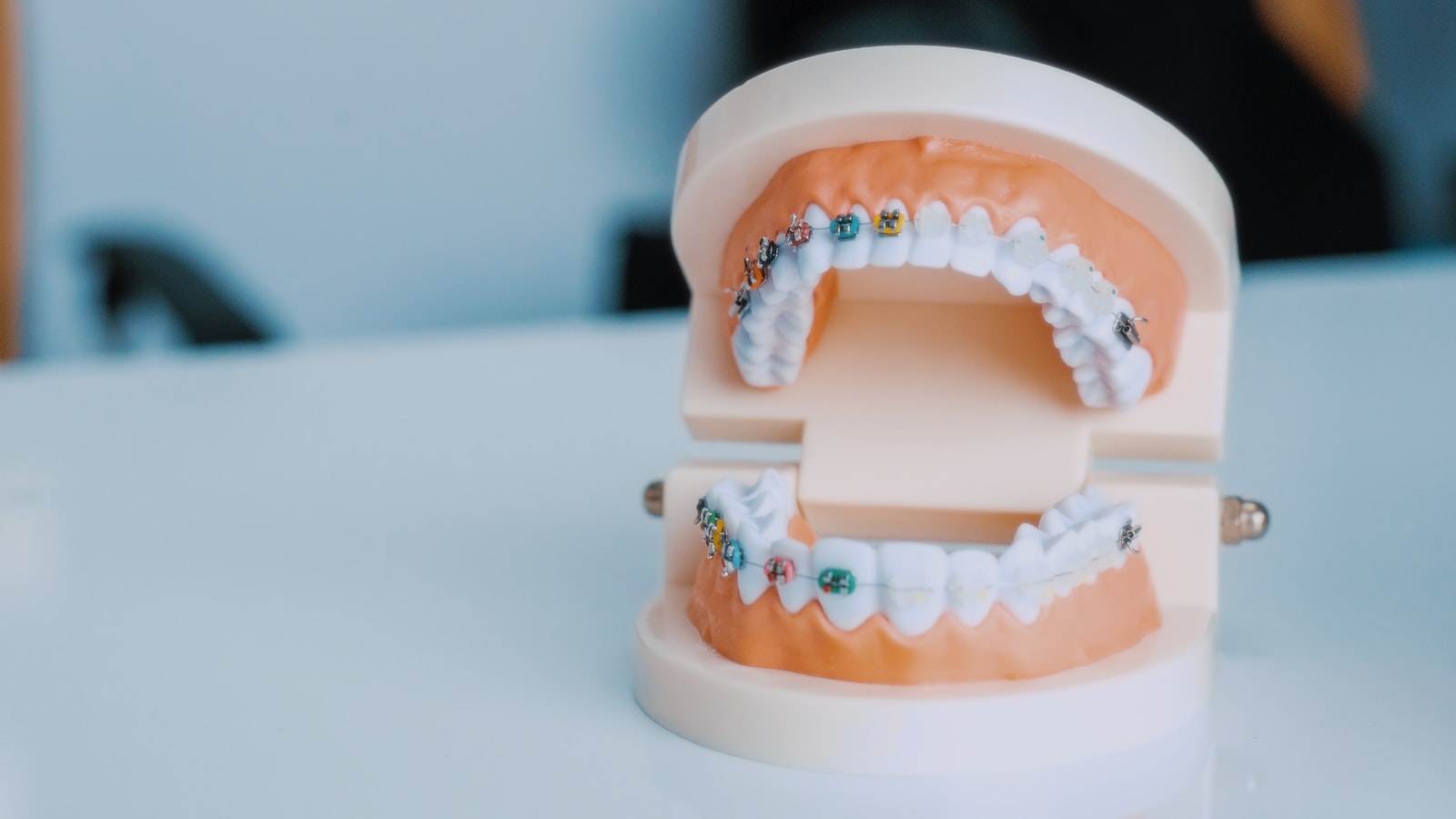
The one idea that ties it together: the whole mouth is affected, so the plan is long-term
The defining feature of amelogenesis imperfecta is that it affects all the teeth, not just one or two. That single fact shapes everything. Because every tooth is involved and the condition is present from the moment the teeth form, care is not a single fix but a long-term plan that starts in early childhood and continues into adult life. The goal at each stage is to protect the teeth from wear and sensitivity, keep the child comfortable and confident, and time the more definitive cosmetic work for when the child has finished growing.
How it differs from look-alike conditions
Parents often wonder how this differs from chalky teeth or staining. Amelogenesis imperfecta affects nearly all teeth because the genetic instructions for enamel are different throughout. Molar incisor hypomineralisation affects only specific teeth that were forming during an early-childhood disruption. Ordinary staining sits on the surface and brushes or polishes away. A dentist distinguishes them by the pattern across the mouth, the family history, and how the enamel behaves, which matters because the management is quite different.
What it can mean day to day
The practical issues are sensitivity, appearance and wear. Thin or soft enamel can make teeth sensitive to hot, cold and sweet foods, and brushing can be uncomfortable. The yellow-brown colour and rough texture can affect a child's confidence, especially at school age. Because the enamel is weak, the teeth wear down and chip more easily, which over time can shorten the teeth and change the bite. Plaque also clings to rough enamel, so decay and gum inflammation need careful attention. None of these are reasons for alarm, but together they are why these children benefit from a dentist who knows the condition.
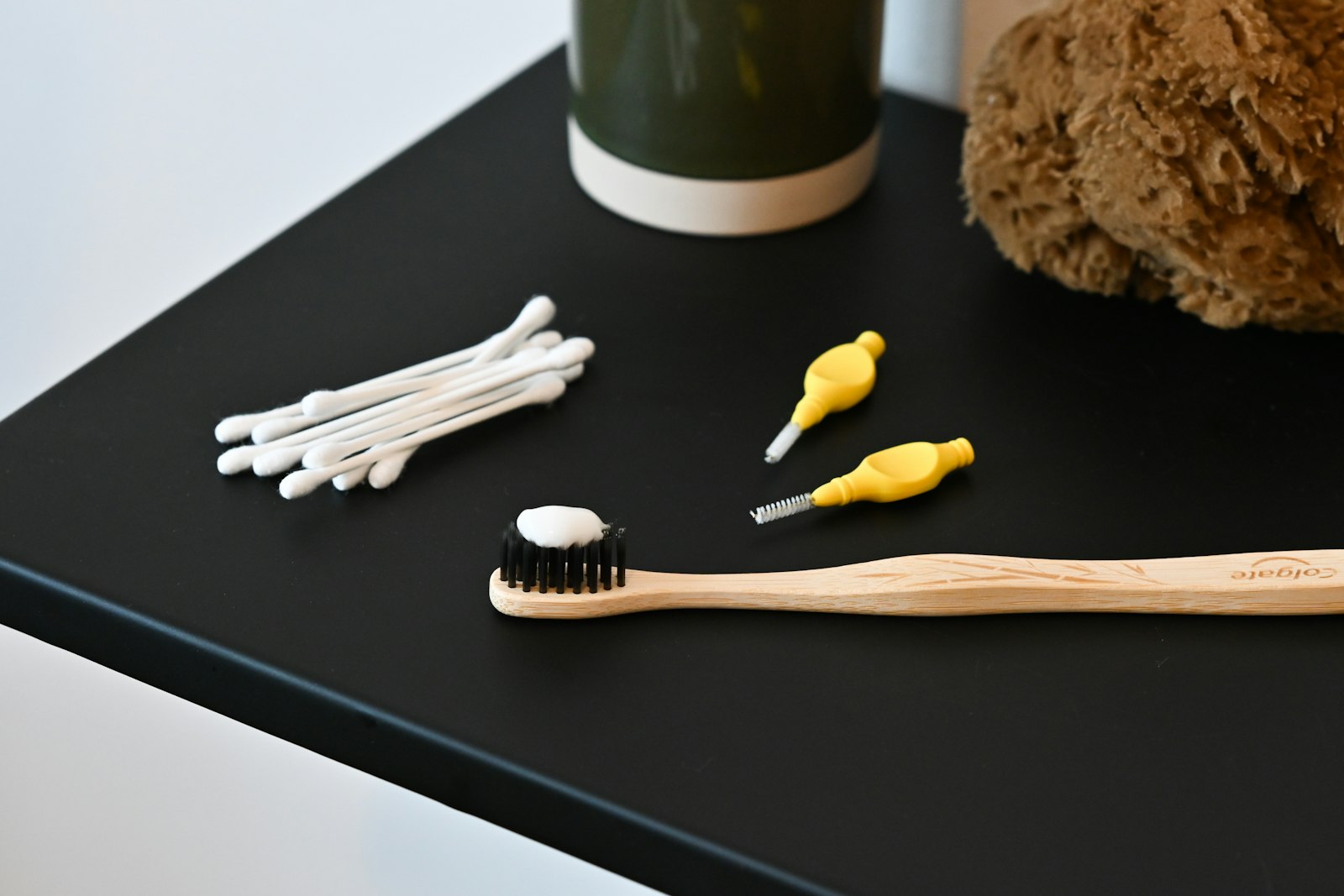
How amelogenesis imperfecta is managed
Care is staged. In early childhood the focus is prevention and comfort: fluoride to strengthen the surface, desensitising toothpaste, gentle cleaning, and protecting badly affected baby molars with crowns where needed so the child can eat comfortably. As adult teeth come through, tooth-coloured fillings, bonding and preformed crowns protect them and improve appearance. Once growth is complete in the late teens, more definitive work such as veneers or crowns can give a durable, natural-looking result. Throughout, the dentist watches the bite, since worn enamel can change how the teeth meet. Many families are cared for by a paediatric dentist or a specialist team because the planning spans years. Genetic counselling may also be offered, since the condition is inherited.
General cost guide
These are general Australian market ranges for planning only. They are not a quote, and Lumi Dental does not list its own prices here.
| Item | General market range (AUD) |
|---|---|
| Check-up and clean | $180 to $390 |
| Tooth-coloured filling | $150 to $350 |
| Preformed or molar crown for a child | $300 to $700 |
| Veneer or crown (adult, per tooth) | $900 to $2,500 |
Children may be eligible for the Child Dental Benefits Schedule. Because amelogenesis imperfecta often needs staged restorative care, the team at Lumi Dental is happy to plan treatment over time and provide a written quote. See current offers on the current deals page or book a general dentist.
Frequently asked questions
Is amelogenesis imperfecta inherited?
Yes. It is a genetic condition and often appears in several family members, with different inheritance patterns depending on the type. Genetic counselling can help families understand it.
How is it different from chalky teeth?
Chalky teeth, or MIH, affect only certain teeth that were forming during an early disruption. Amelogenesis imperfecta affects nearly all the teeth because the enamel-forming instructions differ throughout.
Can the teeth be made to look normal?
Yes, in stages. Bonding and crowns protect and improve teeth through childhood, and veneers or crowns can give a durable, natural look once growth is complete.
Will whitening help the colour?
Whitening does not fix amelogenesis imperfecta because the colour is within the enamel structure, not on the surface. Bonding, veneers or crowns are the usual ways to improve appearance.
When to see a dentist
Book a review if your child's teeth are widely discoloured, sensitive, rough or wearing down, or if enamel problems run in the family. Early assessment lets the dentist plan protective care. For related reading, see our guides on chalky teeth (MIH), dentinogenesis imperfecta, and white spots on teeth.
This article is general information and does not replace individual dental advice.


