

Molar incisor hypomineralisation, usually shortened to MIH and often called chalky teeth, affects around 1 in 7 children, with an Australian prevalence of about 14.7 percent. It shows up as creamy white, yellow or brown patches on the first adult molars and often the front adult teeth, where the enamel formed without enough mineral and is softer than normal. Those patches can be sensitive, chip easily and pick up decay faster, which worries many parents the first time they see them. The reassuring part is that MIH is well recognised, the affected teeth can be protected, and early dental care makes a real difference.
Key takeaways
- MIH means the enamel on certain adult teeth formed with too little mineral, making it soft and chalky.
- It typically affects the first adult molars and sometimes the front adult teeth.
- Affected teeth are often sensitive to cold and brushing, and chip and decay more easily.
- The exact cause is not fully known, but it links to disruptions during early childhood tooth development.
- Early diagnosis, prevention and gentle restorations protect the teeth and reduce sensitivity.
The one question that matters first: how soft and sensitive is the tooth?
When a dentist sees MIH, the first thing they assess is not the colour of the patch but how affected the tooth is. A mild creamy-white patch with intact, hard enamel needs a very different plan from a yellow-brown molar where the surface has already crumbled and the child flinches at cold water. Severity, not appearance alone, drives the decision. This is why two children with chalky teeth can be given quite different advice, and why a proper assessment matters more than comparing patches.
What causes MIH
The enamel on these teeth is laid down in the first years of life, so MIH is thought to come from something that disrupted that process during early childhood. Research has linked it to high fevers and childhood illnesses, certain early-life health problems, and possibly antibiotic use, though no single cause explains every case and it is almost never the parent's fault. It is not caused by too much sugar, although a chalky tooth will then decay faster if sugar and plaque are added. Because the teeth form early, the patches are already set by the time the tooth appears in the mouth around age six.
Why chalky teeth need extra care
Soft enamel brings three practical problems. The teeth are often sensitive, especially to cold and during brushing, which can make children avoid cleaning them and so worsen the cycle. The weak surface chips and breaks down after the tooth erupts, called post-eruptive breakdown. And the porous enamel lets decay set in faster. Affected molars can also be harder to numb fully, so a dentist may take extra steps to keep treatment comfortable. None of this means the teeth are doomed; it means they need closer attention than usual.
How MIH is treated
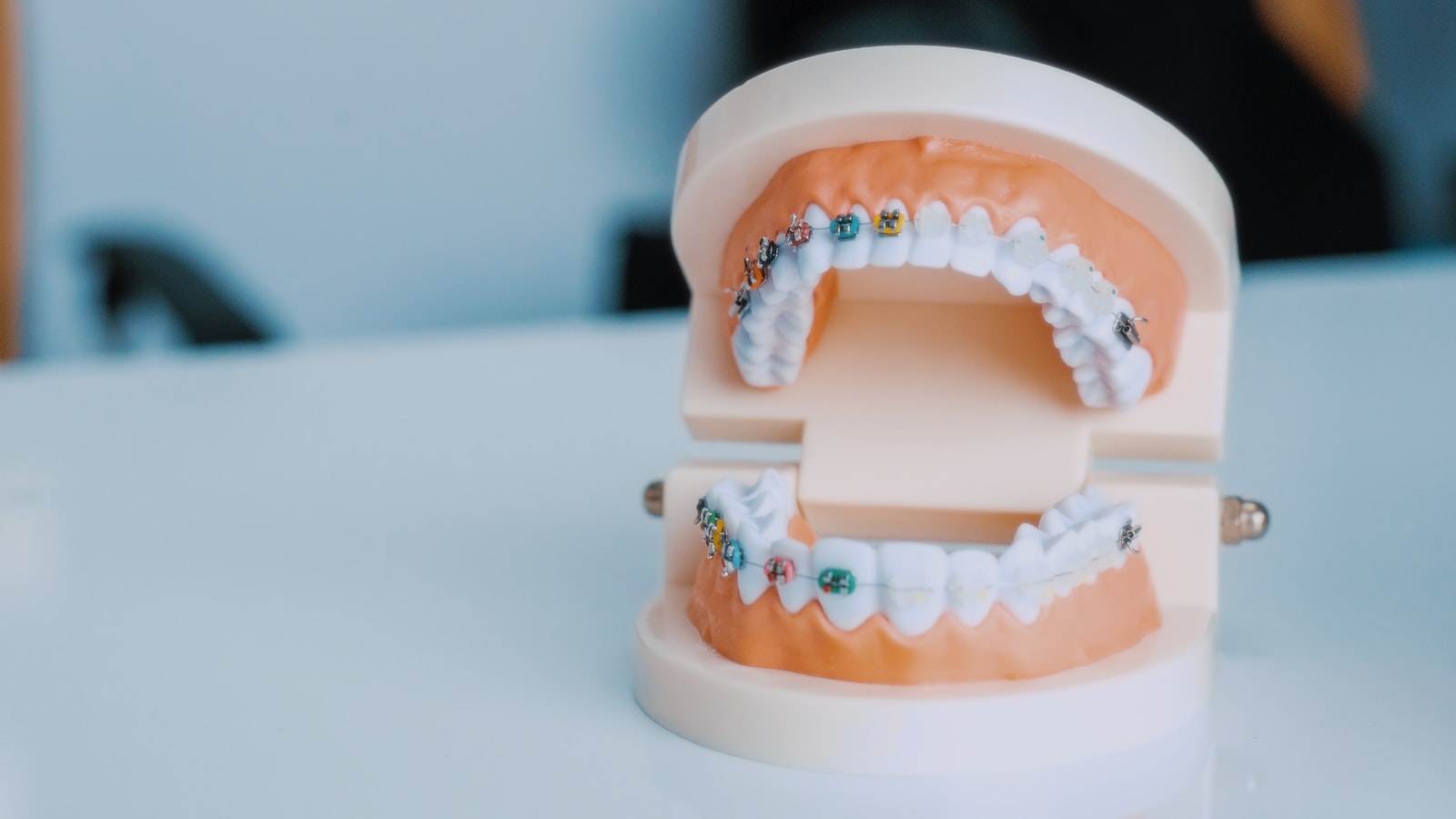
Treatment is matched to severity. For milder cases the focus is prevention and comfort: fluoride applications to strengthen the surface, fissure sealants to protect the chewing surface, desensitising toothpaste for sensitivity, and careful home cleaning. Where the enamel has broken down or decay has started, the dentist restores the tooth, often with tooth-coloured fillings or, for badly affected molars, crowns that cover and protect the whole biting surface. For front teeth, the concern is usually appearance, and options such as microabrasion or tooth-coloured bonding can improve the look once the child is old enough. In severe cases a paediatric dentist may plan the timing of treatment carefully, sometimes over several years. Our guide to white spots on teeth covers the cosmetic side of enamel patches.
General cost guide
These are general Australian market ranges for planning only. They are not a quote, and Lumi Dental does not list its own prices here.
| Item | General market range (AUD) |
|---|---|
| Check-up and clean | $180 to $390 |
| Fissure sealant per tooth | $60 to $150 |
| Tooth-coloured filling | $150 to $350 |
| Molar crown for a child | $300 to $700 |
Children may be eligible for the Child Dental Benefits Schedule, which can cover basic services for eligible families. The team at Lumi Dental is happy to plan care around your child's needs and provide a written quote. See current offers on the current deals page or book a general dentist.
Frequently asked questions
Did I cause my child's chalky teeth?
Almost certainly not. MIH relates to how the enamel formed in early childhood, often around illnesses or fevers, and is not caused by anything a parent did or by sugar alone.
Will the patches spread to other teeth?
No. MIH affects teeth that were forming at the time, so the pattern is set. New patches do not appear on teeth that have already developed normally.
Why are the affected teeth so sensitive?
The soft, porous enamel lets temperature and touch reach the sensitive inner tooth more easily. Fluoride, sealants and desensitising toothpaste reduce this.
Can chalky teeth be made to look normal?
Often yes, especially on front teeth, using microabrasion or tooth-coloured bonding once the child is old enough. The dentist matches the approach to the tooth.
When to see a dentist
Book a review if you notice white, yellow or brown patches on your child's molars or front teeth, if a back tooth is chipping or sensitive, or if your child avoids cold foods or brushing a particular tooth. For related reading, see our guides on white spots on teeth, Turner's tooth, and your child's first dental visit.
This article is general information and does not replace individual dental advice.


