


Dentinogenesis imperfecta is an inherited condition in which the dentine, the layer beneath the enamel that gives a tooth its bulk and support, forms abnormally. Because the enamel sits on a weak foundation, it tends to flake away, so the teeth often look grey-blue, brown or amber, can appear unusually translucent, and chip and wear down more easily than normal. It is rare, affecting roughly 1 in 6,000 to 1 in 8,000 people, and it can occur on its own or alongside the bone condition osteogenesis imperfecta. With early protection and a staged plan, children with dentinogenesis imperfecta can keep comfortable, working teeth.
Key takeaways
- Dentinogenesis imperfecta affects dentine, the supporting layer under the enamel, so the enamel chips away from a weak base.
- Teeth often look grey-blue, brown or amber and can appear translucent.
- Teeth chip and wear quickly, and the crowns can wear down to the gum if not protected.
- It is inherited and can be linked to osteogenesis imperfecta, a brittle-bone condition.
- Early protective treatment and staged restorations preserve the teeth and the bite.
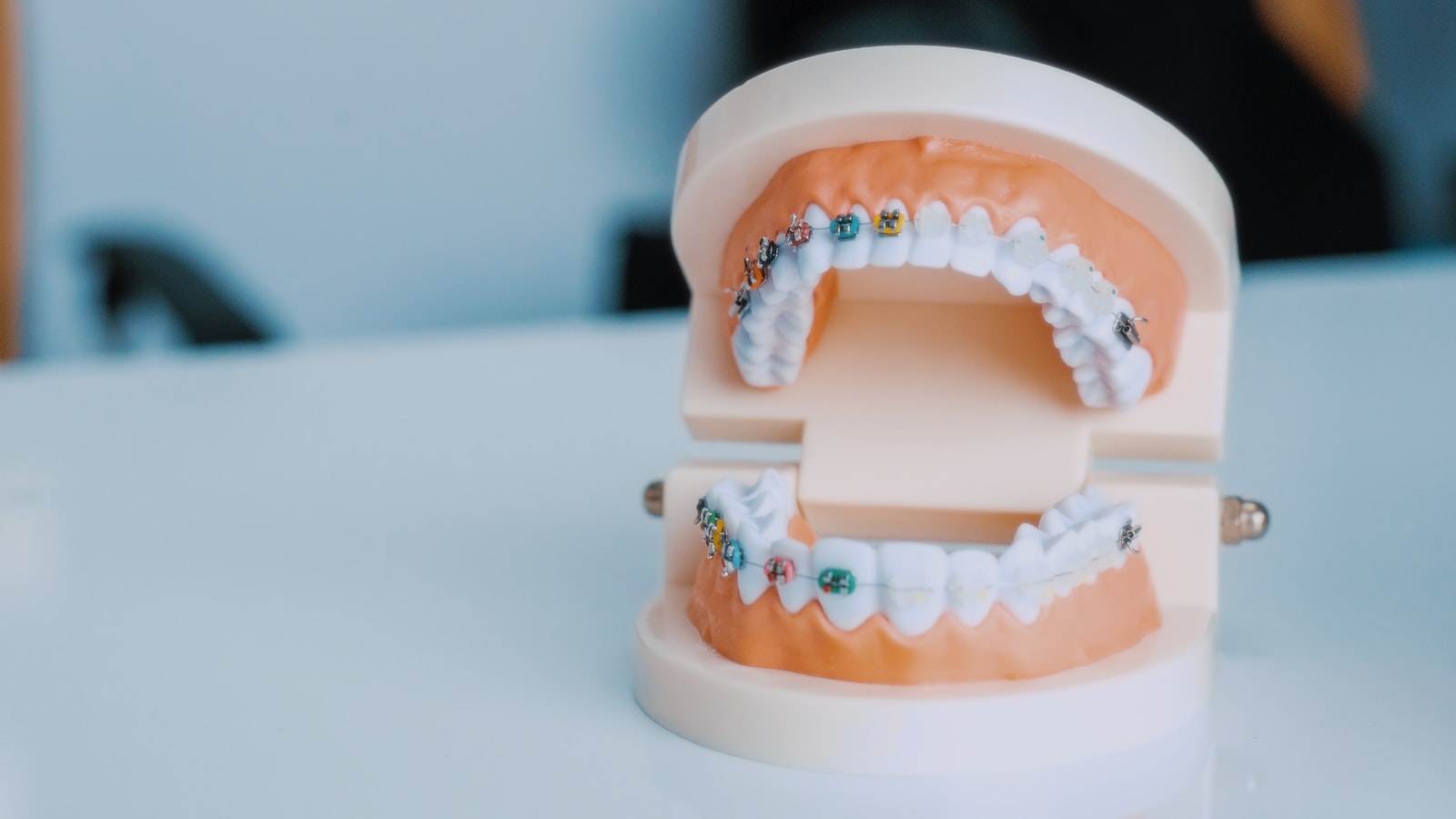
The one idea that ties it together: the problem is underneath, not on the surface
The key to understanding dentinogenesis imperfecta is that the fault is in the dentine, not the enamel. The enamel itself may form normally, but it is sitting on a soft, poorly structured layer that cannot support it, so it cracks and peels away. This is why the teeth wear so quickly even though the outer surface looked sound to begin with. It also explains the colour, since the abnormal dentine shows through. Recognising that the weakness is internal is why dentists move early to cover and protect the teeth rather than waiting for the surface to fail.
How it differs from enamel conditions
It is easy to confuse this with enamel problems, but the layer affected is different. In amelogenesis imperfecta the enamel itself forms poorly. In dentinogenesis imperfecta the enamel may be normal but flakes off because the dentine beneath cannot hold it. The grey-blue, opalescent colour and the rapid wear are characteristic. A dentist confirms it from the appearance, the family history, and X-rays, which often show short roots and pulp chambers that have narrowed or closed off.
What it can mean day to day
The main concerns are wear, fracture and appearance. Because the teeth chip and grind down quickly, the crowns can shorten markedly, which changes the bite and can make chewing harder. Some children have less sensitivity than expected because the inner pulp narrows, but others do feel discomfort. The unusual colour can affect confidence at school age. Where the condition is linked to osteogenesis imperfecta, the dental team coordinates with the medical team, particularly around any medications affecting the bones. As with other inherited tooth conditions, the rough, worn surfaces also need careful cleaning to keep decay and gum problems away.

How dentinogenesis imperfecta is managed
The aim is to protect the teeth before they wear down. In young children, crowns on the baby molars and protective coverings preserve tooth height and keep eating comfortable. As adult teeth arrive, the dentist uses bonding, fillings and crowns to cover and strengthen them and to maintain the bite. Once growth is complete, more definitive crowns or other restorations give a durable result, and in some cases worn or lost teeth are replaced. Because the planning spans years and may involve the bones, care is often shared with a paediatric dentist or specialist team and, where relevant, the medical team managing osteogenesis imperfecta. Genetic counselling is commonly offered since the condition is inherited.
General cost guide
These are general Australian market ranges for planning only. They are not a quote, and Lumi Dental does not list its own prices here.
| Item | General market range (AUD) |
|---|---|
| Check-up and clean | $180 to $390 |
| Preformed or molar crown for a child | $300 to $700 |
| Tooth-coloured filling or bonding | $150 to $400 |
| Crown (adult, per tooth) | $1,200 to $2,500 |
Children may be eligible for the Child Dental Benefits Schedule. Because dentinogenesis imperfecta needs staged protective care, the team at Lumi Dental is happy to plan treatment over time and provide a written quote. See current offers on the current deals page or book a general dentist.
Frequently asked questions
What is the difference between dentinogenesis and amelogenesis imperfecta?
Amelogenesis imperfecta affects the enamel itself. Dentinogenesis imperfecta affects the dentine underneath, so the enamel flakes off a weak base. They look different and are managed differently.
Why are the teeth grey-blue?
The abnormal dentine shows through the enamel, giving a grey-blue, brown or amber, sometimes translucent appearance. Whitening does not change this because the colour is structural.
Is it linked to brittle bones?
It can be. Type I dentinogenesis imperfecta occurs alongside osteogenesis imperfecta, a brittle-bone condition. In those cases dental and medical teams coordinate care.
Can the teeth be protected?
Yes. Early crowns and coverings preserve tooth height and the bite, and staged restorations through childhood and adulthood keep the teeth functional and improve appearance.
When to see a dentist
Book a review if your child's teeth look grey-blue or translucent, are chipping or wearing down quickly, or if the condition or brittle bones run in the family. Early protection makes a real difference. For related reading, see our guides on amelogenesis imperfecta, chalky teeth (MIH), and your child's first dental visit.
This article is general information and does not replace individual dental advice.


