Picture a shaker bottle that rides along in a gym bag, gets sipped on the drive to work and is still half full at lunch. That habit, more than the protein powder in it, is what tends to wear on teeth. A plain shake finished in one go is usually low risk; a sweet or acidic one nursed for hours gives enamel very little time to recover.
Plain powder is not the problem
Unflavoured whey or casein stirred into water or milk is generally not strongly acidic and carries little or no sugar. On its own, that mix is gentle on teeth. Milk even brings some calcium and phosphate along with it.
The picture shifts with what gets added. Flavoured powders often contain sugar or sweeteners plus acidic flavourings such as citric acid. Ready-to-drink bottles from the fridge at the petrol station can carry a surprising amount of added sugar. Blend in banana, berries, honey or juice and you add natural sugars and fruit acids on top of whatever the tub contains. Sweeteners such as sucralose or stevia do not feed decay bacteria, but they do nothing to cancel out acidity.
Every sip restarts the acid clock
When sugar reaches the teeth, plaque bacteria turn it into acid, and the pH around the teeth stays low for a while before saliva gradually brings it back up. Acidic drinks lower it directly, even with no sugar involved. One shake finished in a few minutes means one dip. The same shake sipped across a morning means the dip keeps happening, and enamel spends much of that time softened.
That grazing pattern is why people with otherwise sensible diets can still turn up with early erosion or decay. Gym routines lend themselves to it, with a shake before training, a sports drink during and a bar on the way home.
Bars can be harder on teeth than shakes
Chewy protein bars are built to hold together, and the same texture lets them pack into the grooves of back teeth and along the gum line. A drink is swallowed and largely cleared; a sticky bar can sit there for much longer. Some bars are high in sugar, and others use syrups or sugar alcohols in its place. The nutrition panel on the back is more useful than the claims on the front.
How common gym products compare
| Product | Usual risk to teeth | Main reason |
|---|---|---|
| Unflavoured whey or casein in water | Low | Minimal sugar and not strongly acidic |
| Flavoured powder made with milk | Low to moderate | Some sugar or acid, partly buffered by the milk |
| Bottled ready-to-drink shake | Moderate to high | Some contain a lot of added sugar |
| Smoothie with fruit and protein | Moderate | Fruit sugars and acids |
| Chewy protein bar | Moderate to high | Sticks to teeth and often sweet |
| Sports or energy drink | High | Sugary or sweetened, acidic and usually sipped over time |
Sports drinks earn their place at the bottom of that list because they are acidic, often sugary, and designed to be sipped throughout exercise. We look at them in more detail in how sports drinks erode teeth. Next to them, a plain shake drunk in one sitting is usually the kinder option.
Small changes that protect enamel
None of this means giving up shakes. A few habits make a real difference:
- Drink the shake over a few minutes instead of carrying it around for an hour.
- Have it with a meal or snack when you can, since chewing increases saliva, your mouth's natural buffer.
- Swish with plain water afterwards to clear sugar and dilute acid.
- There is no need to wait a set time before brushing after an acidic drink. A 2024 scoping review in Caries Research (Fernández and colleagues) found that brushing with fluoride toothpaste soon after an acid challenge did not add measurable wear.
- A straw placed towards the back of the mouth can reduce contact with the front teeth a little.
- Pick unsweetened or lightly sweetened powders, and check the sugar per serve on the panel.
After training and before bed need extra care
Hard exercise and mouth breathing leave the mouth drier, so there is less saliva on hand to neutralise acid just when the post-workout shake arrives. A water rinse matters most at this point, and plain water is the best drink for during training itself.
Saliva flow drops a long way during sleep, which is why anything except water taken right before bed lingers on teeth. If a casein shake at night is part of your plan, choose an unsweetened one and have it before your bedtime brush, so the teeth are clean while you sleep.
Early signs of wear to watch for
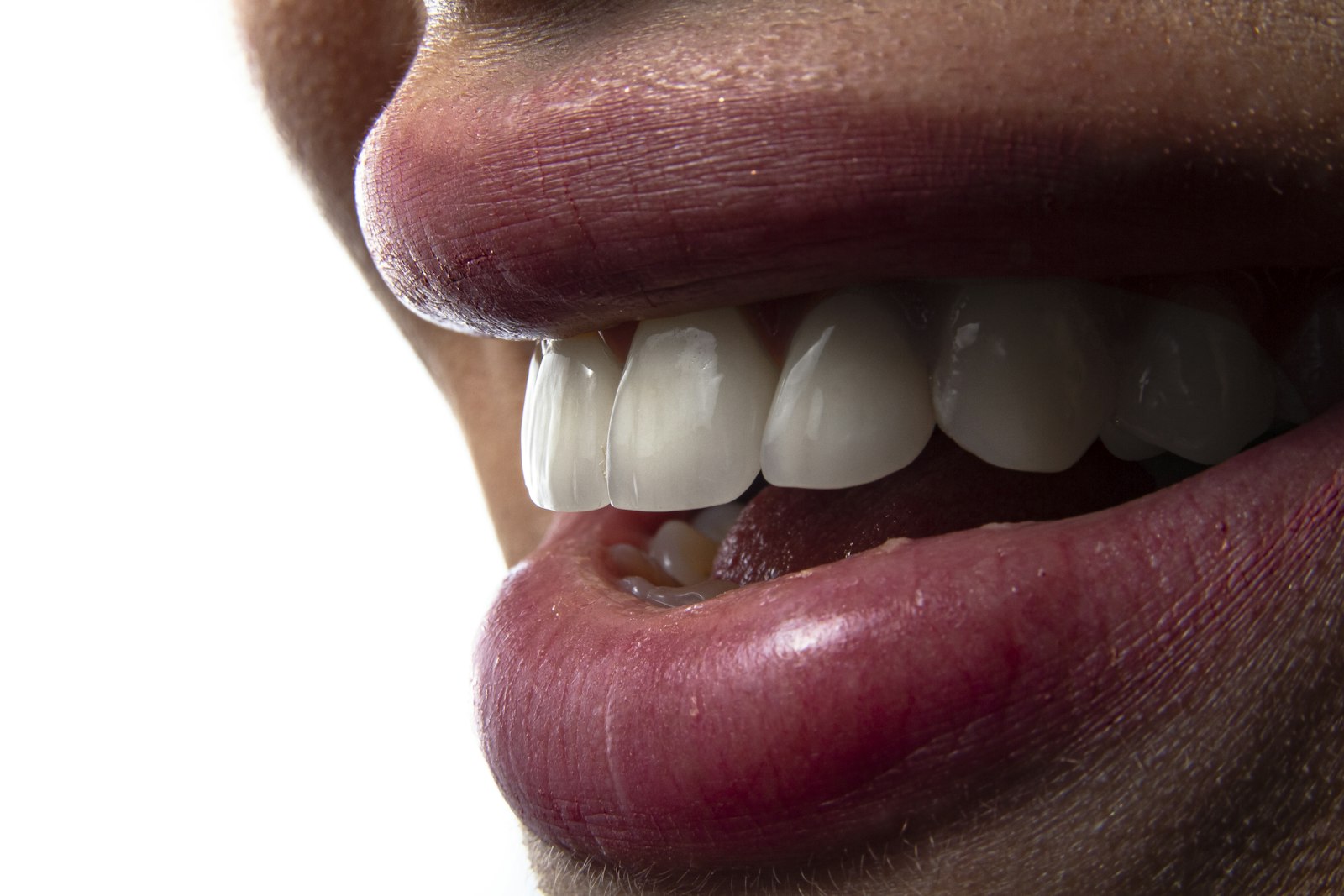
Erosion creeps up slowly. Teeth that twinge with cold or sweet food, front teeth whose edges look faintly translucent, and chewing surfaces that look smooth, glassy or slightly cupped can all be early signs. A dentist or oral health therapist can spot these at a routine check-up, when the fix is usually a change of habits and fluoride care rather than treatment. Our article on gym supplements and teeth looks at other common gym products.
Shake questions we hear at check-ups
Can protein shakes give me cavities?
A sweetened shake sipped often through the day can add to decay risk in the same way as any sugary drink. A plain one finished in one sitting adds very little.
Is whey protein acidic?
Plain whey in water or milk is generally not strongly acidic. Some flavoured versions are more acidic because of the flavourings used.
When is the best time to have a shake for my teeth?
With a meal or soon after one is usually better than on its own between meals, because eating brings more saliva into the mouth.
Should I worry more about the bar or the shake?
Often the bar, because a sticky texture holds sugar against the teeth for longer than a drink does.
Booking a check if you train often
If shakes, bars and sports drinks are part of your week, a regular check-up helps catch enamel wear early. Where erosion has already changed the shape or look of front teeth, composite bonding may be an option to rebuild them. You can book with our general dentists in Melrose Park or see what is on our current offers page.