



Buprenorphine, methadone and other opioid medicines can raise the risk of tooth decay, mainly by reducing saliva, and buprenorphine that dissolves in the mouth has been specifically linked with dental problems by the US Food and Drug Administration (FDA). The good news is that a few simple routine changes can lower that risk considerably. This guide is for anyone who takes opioid pain medicines or is on an opioid treatment program, and it explains how buprenorphine and methadone can affect teeth and what you can do about it.
The benefits of your treatment outweigh the dental risks. Please never stop, skip or change your dose to protect your teeth. Talk to your prescriber or pharmacist first, and know that dental care is available without judgement.
Key Takeaways
- Opioid medicines commonly reduce saliva flow, and a dry mouth leaves teeth more vulnerable to decay.
- The FDA has warned about dental problems, including decay and tooth loss, reported with buprenorphine medicines that dissolve under the tongue or in the cheek.
- After a dissolving dose has fully dissolved, taking a large sip of water, swishing it gently and swallowing may help, and waiting at least an hour before brushing is advised.
- Some liquid methadone formulations contain sugar, so it is worth asking your pharmacist about the one you take.
- High-fluoride toothpaste, fluoride varnish and more frequent reviews can help protect teeth.
- Never stop or change your medicine without your prescriber. Your dentist can work alongside your treatment.
Who This Is For
Opioid medicines are used in two broad ways, and this article applies to both:
- People who take opioid pain medicines, such as oxycodone, tapentadol, codeine or morphine, for acute or ongoing pain.
- People on opioid treatment programs, who take buprenorphine or methadone as a safe, prescribed treatment that supports recovery and stability.
In my experience, many patients in both groups have put off seeing a dentist because they worry about being judged. That should never be a barrier. Letting your dentist know what you take is simply medical information that helps keep you safe and comfortable.
How Opioid Medicines Can Affect Your Teeth
Dry mouth
Opioids commonly reduce saliva flow. Saliva is the mouth's natural defence: it washes away food, neutralises acids and helps repair early enamel damage. With less of it, decay can develop faster, particularly along the gum line and around old fillings. A dry mouth can also make gums sore, dentures loose and eating less comfortable. For more on dry mouth from medicines, see our guides to antidepressants and your teeth and antihistamines and dry mouth, as many people take more than one medicine that dries the mouth.
Buprenorphine that dissolves in the mouth
Buprenorphine often comes as a tablet or film that dissolves under the tongue (sublingual) or against the inside of the cheek (buccal). In its safety communication, the FDA reported that it had identified hundreds of cases of dental problems with these products, including tooth decay, cavities, oral infections and tooth loss, some in people with no prior history of dental problems. One suggested explanation is that the dissolving medicine is acidic and sits against the teeth for several minutes each day.
The FDA stated that the benefits of buprenorphine outweigh these risks, and that people should keep taking their medicine while making a few changes to their routine.
Liquid methadone and sugar
Methadone is often given as a liquid. Some liquid formulations are made with sugar or other additives, while others are sugar-free. Because doses are taken daily, a sugary formulation may add to decay risk over time. Your pharmacist or clinic can tell you what is in the formulation you take and whether a sugar-free option is suitable. Do not switch products yourself.
Sweet cravings and routines
Many people notice sugar cravings while taking opioids, and constipation or nausea can change eating patterns. Frequent sweet snacks and drinks, especially sipped or grazed across the day, feed the bacteria that cause decay. Changes in sleep and daily routine can also mean brushing gets missed. If you notice teeth hurting with sweet foods, our article on why teeth hurt when you eat sweets may help explain what is going on.
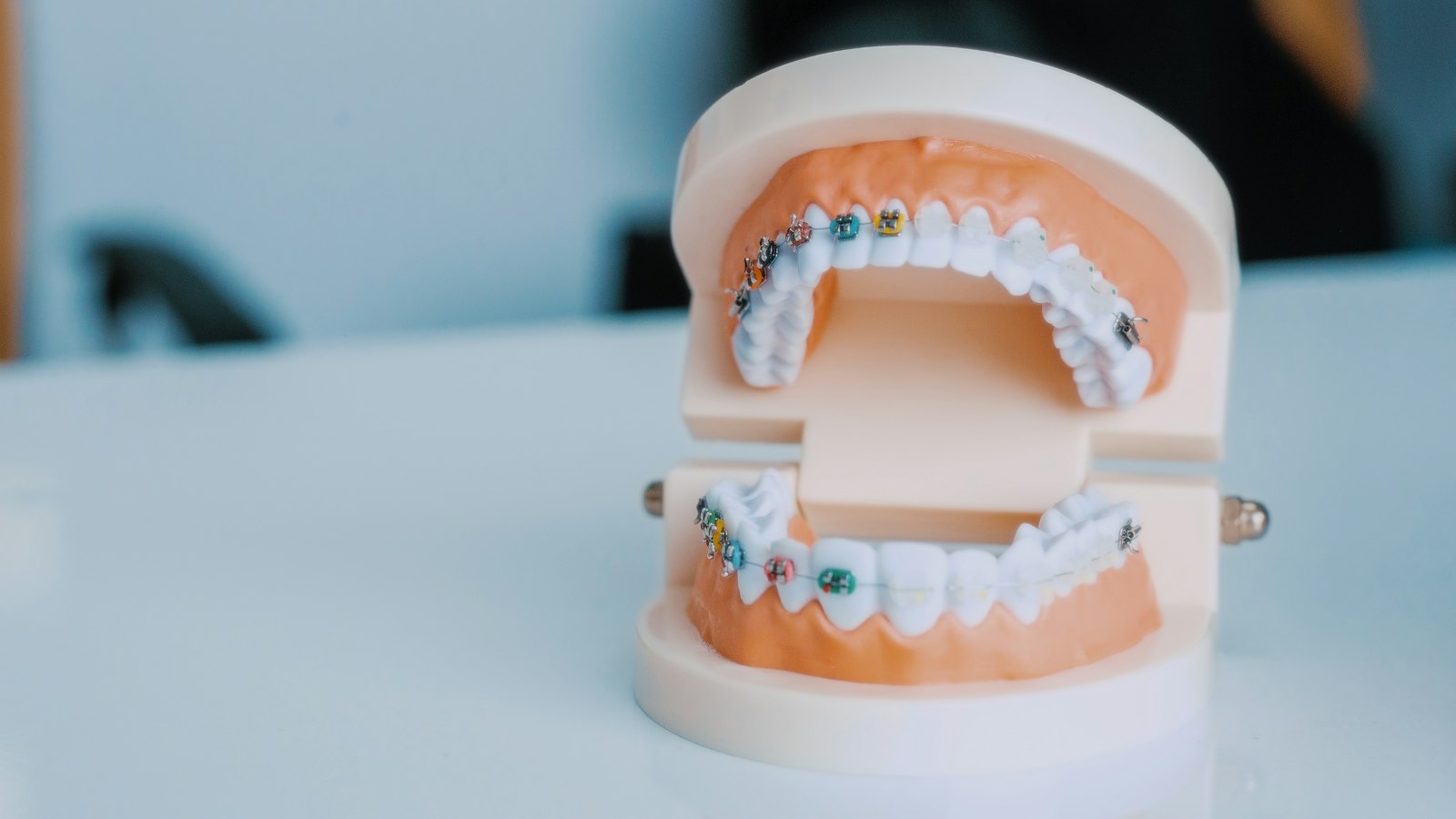
A Tooth-Friendly Routine Around Your Doses
These steps are designed to fit around your prescribed medicine, not replace any instructions from your prescriber or pharmacist.
| Routine step | Why it helps |
|---|---|
| Let a dissolving buprenorphine dose dissolve completely, then take a large sip of water, swish gently around your teeth and gums, and swallow | Helps rinse away medicine left on the teeth, as advised by the FDA |
| Wait at least one hour after a dissolving dose before brushing | Gives the mouth time to recover and avoids brushing softened enamel |
| Rinse with water after a liquid methadone dose, if your clinic allows | Reduces sugar or additives left around the teeth |
| Brush twice daily with a fluoride toothpaste, spit and do not rinse | Leaves fluoride on the teeth to strengthen enamel |
| Sip water through the day and chew sugar-free gum | Keeps the mouth moist and stimulates saliva |
| Keep sweet foods and drinks to mealtimes | Reduces the number of acid attacks on the teeth each day |
| Clean between your teeth once a day | Removes plaque where decay often starts |
What Your Dentist May Suggest
If you take opioid medicines, your dentist may recommend a few extra layers of protection, depending on your risk and what they see at your check-up.
- High-fluoride toothpaste. A prescription-strength fluoride toothpaste may be suggested for use at night to strengthen enamel.
- Fluoride varnish. A quick, painless coating applied at the dental chair that helps protect teeth between visits.
- More frequent reviews. Check-ups every three to six months, rather than yearly, can catch early decay while it is small and easier to treat.
- Dry mouth products. Saliva substitutes, moisturising gels or dry mouth toothpastes may help comfort.
- Remineralising products. Some pastes containing calcium and phosphate may be suggested alongside fluoride.
If the FDA guidance applies to you, the agency also encourages people starting dissolving buprenorphine to let their dentist know. That early visit is a useful baseline.
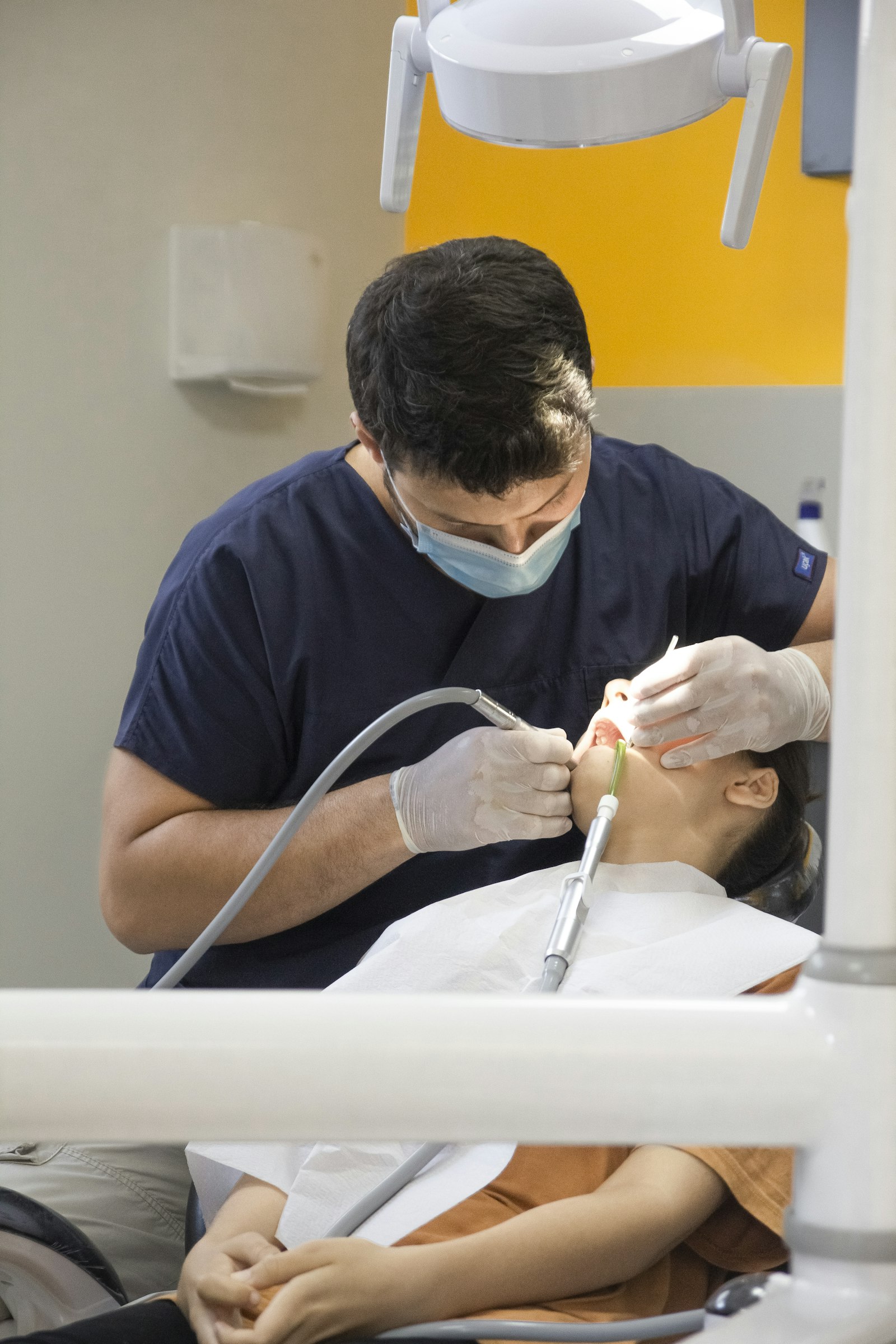
Dental Treatment While on Opioid Medicines
Having dental work while taking buprenorphine, methadone or opioid pain medicines is common and usually straightforward. Local anaesthetic works as normal for most people. It helps to tell your dentist:
- The name and dose of your medicine and how you take it.
- Your prescriber or clinic, in case your dentist needs to check anything with them.
- Whether you would prefer that pain relief after treatment avoids certain medicines. Your dentist can plan this with you and, where needed, with your prescriber.
Your information is confidential. If anxiety about visits is part of what has kept you away, let the team know so they can take things slowly and explain each step.
Signs to Look Out For
Book a dental visit if you notice any of the following:
- Teeth that are sensitive to sweet, hot or cold foods.
- Brown or dark spots near the gum line.
- Chipping or crumbling teeth, or a filling that has fallen out.
- Bad breath or a bad taste that does not go away.
- Swelling in the gums or face, or a toothache. Swelling that is spreading or a fever needs prompt medical attention.
Some opioids can mask toothache, so decay may progress further before it hurts. That is another reason regular check-ups matter.
Common Questions
Does buprenorphine rot your teeth?
Buprenorphine that dissolves in the mouth has been linked with dental problems, including decay and tooth loss, in some people. Rinsing with water after the dose has dissolved, waiting an hour before brushing and regular check-ups may help reduce the risk.
Should I stop buprenorphine or methadone to save my teeth?
No. The benefits of treatment outweigh the dental risks, and stopping or changing your dose without your prescriber can be harmful. Talk to your prescriber and your dentist about protecting your teeth while you continue treatment.
Why do I have to wait an hour to brush after buprenorphine?
Waiting gives your mouth time to recover after the medicine has been sitting on your teeth. Brushing straight away may cause more wear, so a water rinse first, then brushing later, is the suggested approach.
Does methadone contain sugar?
Some liquid methadone formulations contain sugar, while others do not. Ask your pharmacist or clinic about the product you take, and rinse with water after your dose if you are allowed.
Why do opioids cause dry mouth?
Opioids can reduce saliva production as one of their common side effects. Sipping water, chewing sugar-free gum and using dry mouth products can help, and your dentist may suggest extra fluoride.
Will a dentist judge me for being on an opioid treatment program?
They should not, and the team at Lumi Dental will not. Your treatment is healthcare, and telling your dentist helps them care for you safely.
Non-Judgemental Dental Care in Melrose Park
Whether you take opioid pain medicines or are on buprenorphine or methadone, the team at Lumi Dental can help you protect your teeth with practical, respectful care. Visit our general dentist in Melrose Park page to find out more, or see current deals for our new patient offer. If treatment is needed, we can arrange a free consult and a written quote so there are no surprises.

