


No, wisdom teeth removal does not change your face shape. Wisdom teeth sit deep in the jawbone behind your second molars, well away from the structures that actually define how your face looks, so removing them cannot reshape your jawline, cheeks or profile. What people are usually noticing is swelling going down after surgery, not the bones of the face changing.
Key takeaways
- Wisdom teeth removal cannot change face shape, because the teeth sit far behind the areas that define facial contour.
- Any perceived "slimming" after surgery is swelling resolving, not a permanent change to the bones of the face.
- Facial swelling typically peaks around 48 to 72 hours after surgery and gradually settles over about a week.
- A narrower-feeling jaw afterwards is more likely relief from clenching or tension than any structural change.
- Worsening swelling after day three or four, fever, or spreading redness are signs to get checked, not normal healing.
- This article is general information and doesn't replace an individual dental assessment.
The one thing wisdom teeth actually touch: your back jaw, not your face
It helps to picture where wisdom teeth actually sit. They're the last teeth to come through, right at the back of the upper and lower jaw, often partly or fully covered by bone and gum. During removal, a dentist may need to adjust a small amount of bone directly around the tooth socket to get the tooth out safely, particularly if it's impacted. That adjustment is localised, well below the surface, and nowhere near the structures that give your face its shape, such as the cheekbones, jaw angle contour, or the soft tissue over them. There simply isn't a mechanism by which removing a back molar reshapes the visible outline of your face.
Why the myth persists
The idea that wisdom teeth removal changes face shape usually comes from two things people notice around the same time, and mix up.
First, impacted wisdom teeth can cause low-grade inflammation and puffiness in the jaw and cheek area before they're removed, sometimes without a person even realising it's linked to their teeth. Once the teeth are out and that ongoing irritation is gone, the face can genuinely look a little different, but that's inflammation settling down, not bone changing.
Second, and more commonly, people notice their face looking different in the days after surgery and assume it's a lasting change. In reality it's the opposite process happening in real time: swelling from the surgery itself rising, peaking, and then resolving over about a week. When someone compares "puffy day two" to "back to normal day seven", it can look like a slimming change, when it's really just healing.
The swelling timeline, day by day
Swelling after wisdom teeth removal is a normal part of the healing response, not a sign that anything is wrong, provided it follows a fairly predictable pattern.
| Days after surgery | What's typically happening |
|---|---|
| Day 1 to 2 | Swelling builds and usually peaks, often most noticeable around the cheeks and jawline |
| Day 3 to 4 | Swelling generally begins to reduce, though some tightness or stiffness can remain |
| Day 5 to 7 | Most swelling has settled, and the face typically looks close to normal again |
Cold compresses in the first day or two and gentle jaw movement afterwards can help manage swelling and stiffness, though everyone heals at a slightly different pace.
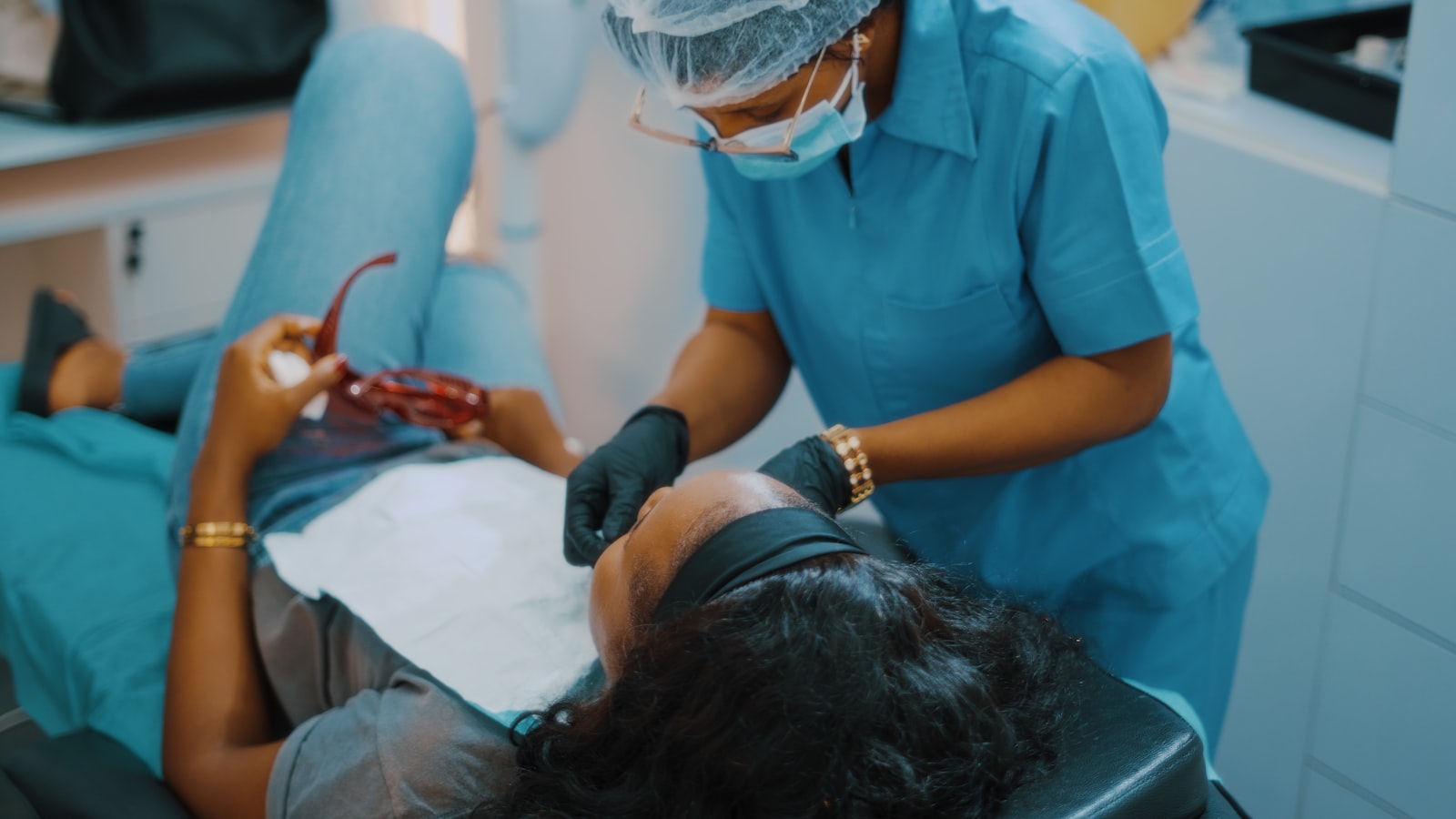
Why some people say their jaw feels "narrower" afterwards
Occasionally someone will say their jaw feels less bulky weeks after their wisdom teeth are out. This is far more likely to be relief from muscle tension than any change in bone. Impacted or erupting wisdom teeth can cause ongoing discomfort that leads to clenching or favouring one side of the jaw, and that tension can make the jaw muscles feel tighter or more prominent. Once the source of irritation is gone, that tension often eases, and the jaw can feel more relaxed, not physically smaller. If you're unsure whether your wisdom teeth need attention at all, our article on whether you need wisdom teeth out if they don't hurt is a useful starting point, since not every wisdom tooth needs to come out.
When swelling is something to actually worry about
Normal swelling improves steadily from day two or three onwards. It's worth getting checked if swelling gets worse after day three or four instead of improving, if it comes with fever, spreading redness, or a bad taste or smell, or if pain increases sharply rather than easing. These can be signs of infection or dry socket rather than typical healing. Our guide to dry socket symptoms and smell explains what to look out for and when to seek care. This information is general in nature and isn't a substitute for having your own recovery assessed individually if something feels off.
Frequently asked questions
Does removing all four wisdom teeth at once cause more facial swelling than removing one?
Generally yes, more extraction sites can mean more overall swelling, though it still typically follows the same rise-and-settle pattern over about a week.
How long until my face looks completely normal after wisdom teeth removal?
Most visible swelling has usually settled within five to seven days, though this can vary depending on how complex the extraction was and individual healing.
Can wisdom teeth removal affect my cheekbones?
No. Wisdom teeth sit in the back of the jaw, well below and behind the cheekbones, so their removal has no effect on that area of bone.
Is it normal for one side of my face to swell more than the other?
Yes, if extractions on one side were more complex or impacted, swelling on that side can be more noticeable. This should still follow the same general improving trend after the first few days.
What sedation options affect how the face looks afterwards?
Sedation choice mainly affects comfort during the procedure rather than facial swelling afterwards. Our article on wisdom teeth removal anaesthetic and sedation options explains the differences.
Can wisdom teeth removal cause my other teeth to shift?
This is a separate question to face shape, but it's a common one. Read our article on teeth shifting after wisdom teeth removal for a full explanation.
If you've got wisdom teeth causing discomfort, or you're just not sure whether they need attention, the team at Lumi Dental can take a look and talk you through what to expect. Check our current deals or book a general check-up on our general dentistry page.


