

If you've just chipped a tooth chewing ice, the first steps are simple: save any fragment, rinse with warm water, and get it checked, even if the chip looks small. Ice feels harmless because it melts and seems soft compared to, say, a boiled lolly, but it's actually hard, cold and brittle under bite force, a combination that can catch a tooth off guard, particularly one that's already weakened by an old filling or a hidden crack.
Key Takeaways
- Ice is a genuinely common cause of chipped and cracked teeth, and dental bodies specifically warn against habitually chewing it.
- Save any broken fragment, rinse with warm water and apply a cold compress to the outside of the cheek if there's swelling.
- The severity ranges from a minor enamel chip to a chip exposing the nerve, and each level needs a different treatment.
- Even a small-looking chip can hide a crack that extends further into the tooth or below the gumline.
- Same-day or next-day dental review is worth arranging even if the chip doesn't hurt.
- Teeth with existing fillings or old cracks are more vulnerable to chipping from hard foods like ice.
Why Ice Is a Surprisingly Common Cause of Chips
Ice sits in an odd spot: it's cold enough to numb sensation slightly, hard enough to require real bite force to crack, and brittle enough that it shatters unpredictably under that force. That combination means people often bite down harder than they realise, and the sudden, uneven pressure is exactly the kind of load that chips or cracks a tooth. It's a common enough habit, sometimes called pagophagia when it's persistent, that professional dental bodies specifically caution against habitual ice chewing as a cause of cracked enamel and damaged restorations. Teeth that already have a filling, a crown margin, or a fine crack from a previous knock are particularly vulnerable, because the repair or the existing weak point gives the fracture somewhere to start.
First-Aid Checklist: What to Do Right Away
- Find and save the fragment. If a piece of tooth broke off, keep it in a small container with milk or your own saliva. It's sometimes possible for a dentist to reattach it, particularly for a clean enamel chip.
- Rinse your mouth with warm water. This clears any debris and lets you get a proper look at the damage.
- Apply a cold compress to the outside of your cheek if there's any swelling or the area feels bruised, in 15 to 20 minute intervals.
- Avoid chewing on that side until you've been assessed, even if it doesn't hurt yet.
- Take an over-the-counter pain reliever if needed, following the packet directions.
- Check for sharp edges with your tongue rather than your finger, and be aware a sharp edge can cut your tongue or cheek if left untreated.
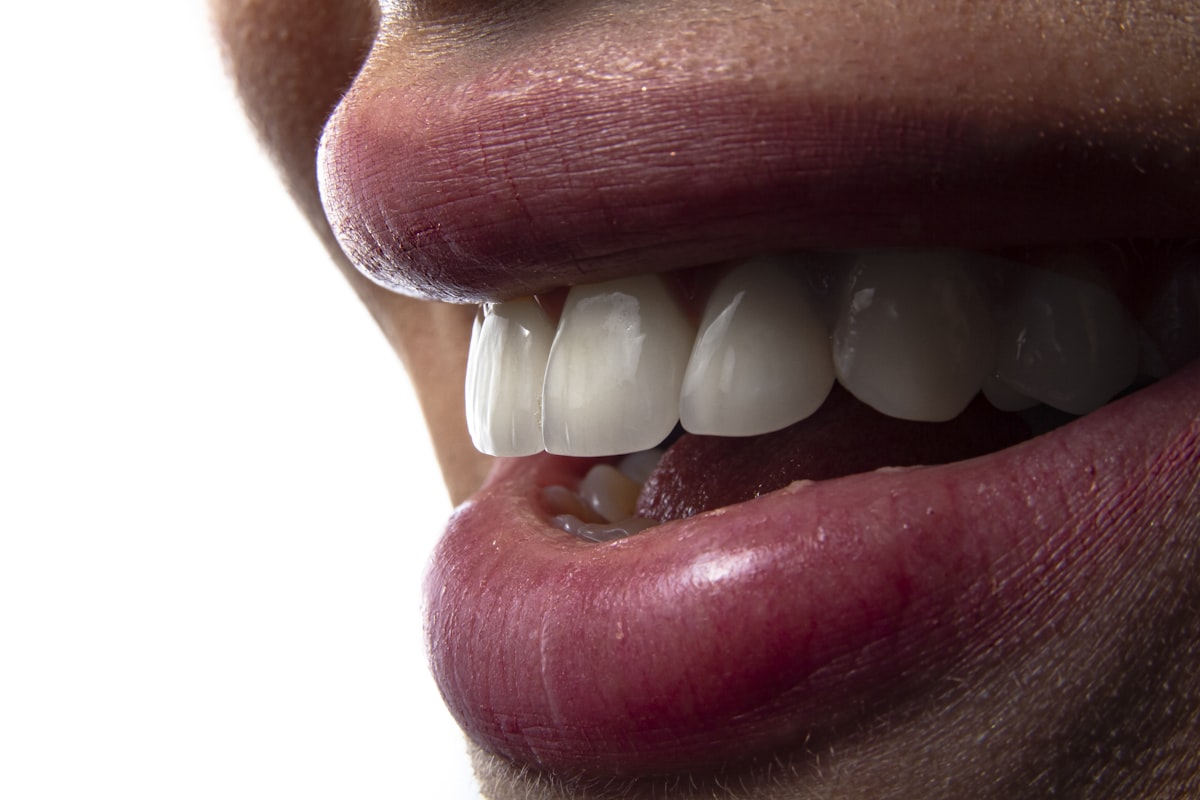
The Severity Ladder
| Severity | What it looks/feels like | Typical treatment |
|---|---|---|
| Minor | Small chip in the enamel only, edge feels slightly rough, little to no sensitivity | Smoothing the edge or a simple bonding repair, often in one visit |
| Moderate | Chip exposes the yellowish dentine layer underneath, some sensitivity to cold or sweet | Bonding, or a veneer or crown if a larger portion of the tooth is affected |
| Severe | Chip reaches deep into the tooth or exposes the nerve (pink tinge, sharp or lingering pain) | Root canal treatment likely, followed by a crown to rebuild and protect the tooth |
It's worth noting the line between these categories isn't always obvious just by looking. Dentine looks like a subtle colour change rather than an obvious hole, and a crack running below the visible chip won't show up without a proper clinical look, sometimes with an X-ray. This is part of why professional advice matters even for a chip that seems minor at first glance.
Why "It's Probably Fine" Isn't a Safe Assumption
A chip that looks small on the surface can still be the visible tip of a crack that runs further into the tooth structure or down towards the gumline, sometimes called a hairline or craze crack. Left unchecked, these cracks can worsen over time with normal biting force, eventually leading to a larger break, an infected nerve, or pain that comes on suddenly weeks or months later (a pattern we cover in our article on toothache that comes and goes). Getting the tooth checked promptly, ideally the same day or the next day, means a dentist can assess the true extent of the damage while it's straightforward to treat, rather than after it's progressed.
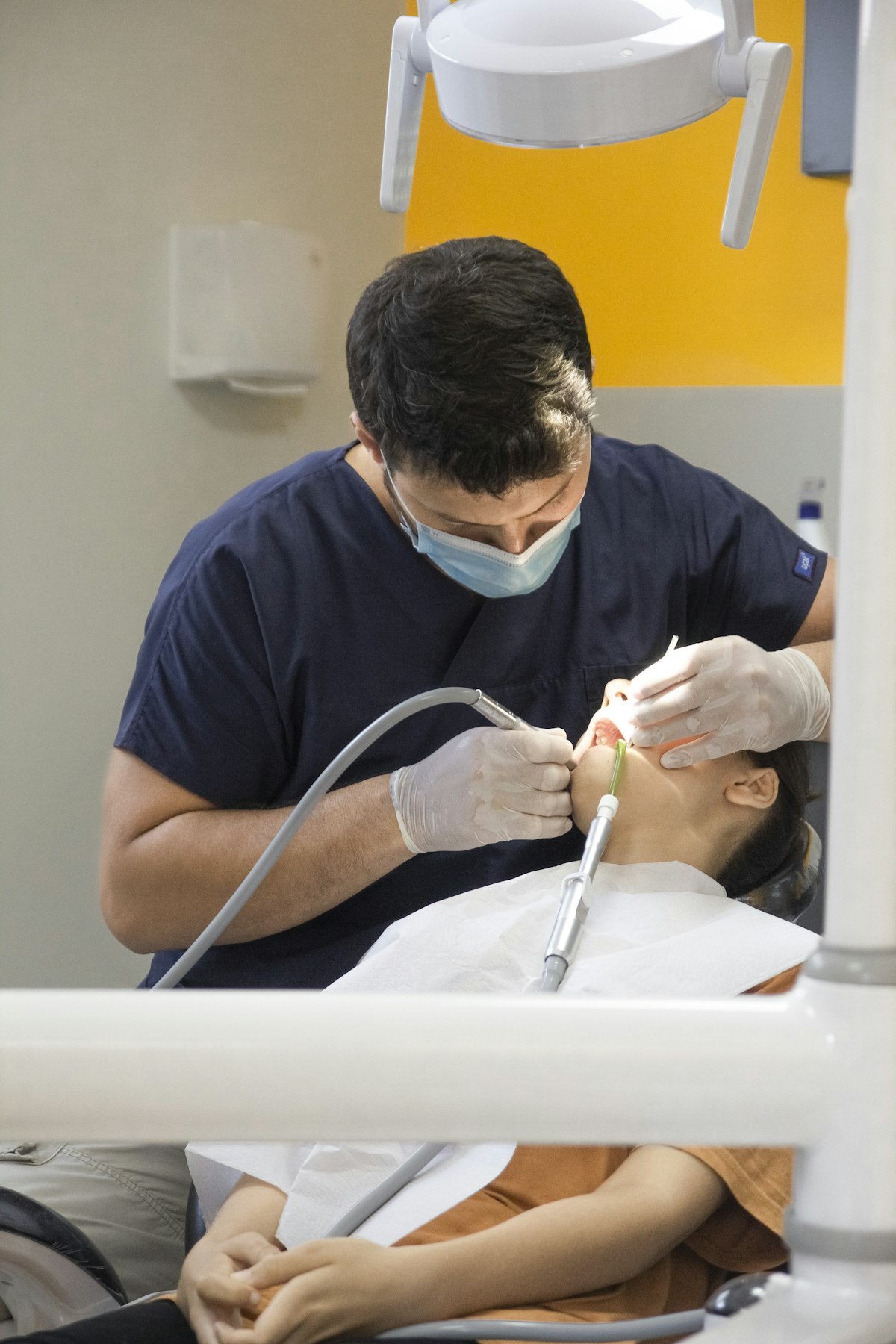
What If the Chip Is on a Tooth With an Existing Crown or Filling?
If the chipped area involves an existing crown, that's a slightly different situation. Read our guide on what to do if you lose a dental crown for the specific steps there. If you've swallowed a fragment of tooth or filling material by accident, our article on what to do if you swallow a tooth or filling covers when that's a concern and when it isn't.
A Word on Prevention
Habitually chewing ice is worth breaking as a habit, even though it can feel harmless in the moment. It's a particularly common one among people used to icy drinks, and it puts repeated, unpredictable stress on teeth that simply weren't designed for it. If you find yourself chewing ice often, it can sometimes point to an underlying issue like iron deficiency, which is worth mentioning to your GP, separate from the dental risk itself.
Common Questions
Do I need to see a dentist urgently for a chipped tooth, or can it wait?
Same-day or next-day review is a reasonable target. It's not always a true emergency, but delaying too long risks the crack extending or the exposed area becoming more sensitive or infected.
Can a chipped tooth heal on its own?
No. Enamel and dentine don't regenerate the way skin does. A chip stays as it is, or potentially worsens with ongoing biting force, until it's professionally repaired.
What if there's no pain at all, is it still worth getting checked?
Yes. Some chips, particularly enamel-only ones, genuinely don't hurt because the nerve isn't involved, but a dentist can confirm there's no hidden crack and smooth any sharp edge before it causes other problems.
Is bonding a permanent fix for a chipped tooth?
Bonding is a durable, long-lasting repair for many chips, though it can wear or need touch-ups over the years depending on its size and location. Larger chips may need a crown or veneer for a longer-term result.
Can chewing ice cause more than just chips?
Yes. It can also loosen or crack existing fillings, chip crowns, and put strain on the jaw joint over repeated use.
Should I stop drinking icy drinks altogether?
Not necessarily. Drinking something cold isn't the issue, it's chewing the ice itself that puts teeth at risk. Letting ice melt in your mouth or drinking around it avoids the problem entirely.
This article is general information and doesn't replace an individual dental assessment. If you've chipped a tooth, the team at Lumi Dental can assess it and talk through the right repair. Check our current offers or visit our general dentistry page to book an appointment.