

Self-ligating braces such as the Damon System are often described as faster and gentler than ordinary braces. Independent research has not found a clear difference in overall treatment time or comfort between the two, so the choice between three options usually comes down to something else: what your teeth and bite need, and how you will cope with each appliance day to day.
Three appliances, one goal
All three move teeth with light, sustained pressure. They differ in how that pressure is delivered and in how much of the work depends on you.
Conventional braces have brackets bonded to each tooth and an archwire held in each bracket by a small elastic or wire tie. They have been used for decades and the long term evidence behind them is extensive.
Self-ligating braces, of which Damon is one well known system, replace the tie with a small clip or door built into the bracket that holds the wire. The idea is less friction between bracket and wire. Clear versions are available for people who want the brackets to be less obvious.
Clear aligners are a series of removable plastic trays made from a digital scan of your teeth. Each tray moves the teeth a small step, and you change to the next tray every one to two weeks, as your clinician directs. Small tooth coloured bumps called attachments are often bonded to some teeth to help the trays grip.
What the research says about self-ligating braces
Manufacturers have claimed shorter treatment, fewer visits and less pain. Systematic reviews published in 2010 (Fleming and Johal in the Angle Orthodontist, and Chen and colleagues in the American Journal of Orthodontics and Dentofacial Orthopedics) found little evidence that self-ligating brackets shorten treatment or reduce discomfort overall, though there may be a small saving in chair time when wires are changed. Later reviews have broadly agreed. That does not make self-ligating braces worse. It means the bracket type is rarely the deciding factor, and the skill of planning and the nature of the case matter more.
Visit intervals for any fixed braces are set by the treating clinician and vary with the stage of treatment, so it is worth asking how often you would need to attend rather than assuming one system needs fewer visits.
How they compare in daily life
| Conventional braces | Self-ligating braces | Clear aligners | |
|---|---|---|---|
| Visibility | Metal or tooth coloured brackets on the teeth | Metal or clear brackets on the teeth | Clear trays, with small attachments on some teeth |
| Who controls wear | Fixed, works around the clock | Fixed, works around the clock | You, usually 20 to 22 hours a day |
| Eating | Hard and sticky foods avoided | Hard and sticky foods avoided | Trays removed to eat, then teeth cleaned before refitting |
| Cleaning | Takes extra care around brackets | Takes extra care around brackets | Normal brushing and flossing with trays out |
| Often suited to | Simple to complex cases | Simple to complex cases | Many mild to moderate cases, and some more complex ones |
Aligners rely on the hours you put in
The biggest practical difference between aligners and either type of braces is who is in charge of the force. Braces keep working even on days you forget about them. Aligners only move teeth while they are in the mouth, and trays left on the bedside table are a common reason a plan falls behind. People who know they will struggle with that level of wear, or who often forget, may do better with something fixed.
Aligners also have clinical limits. They tend to handle mild to moderate crowding and spacing well. Large bite corrections, some open bites, significant jaw differences and cases needing extractions with big spaces to close are often better managed with fixed braces, or by a registered orthodontist.

Cost depends on the case
Fees for any of these approaches vary mainly with the complexity and length of treatment rather than the badge on the appliance. Private health extras cover may include an orthodontic benefit, usually with a lifetime limit and waiting period, so check your own policy. For current consultation offers see our current deals page.
Choosing well
Start with a proper assessment of the teeth, gums, bite and jaw relationship, then decide on the appliance. A plan that suits the case and your routine is more likely to work than one chosen for the name. Our guide to braces versus aligners for adults goes further into that decision, and if speech is a worry, read whether a lisp from braces or aligners tends to settle.
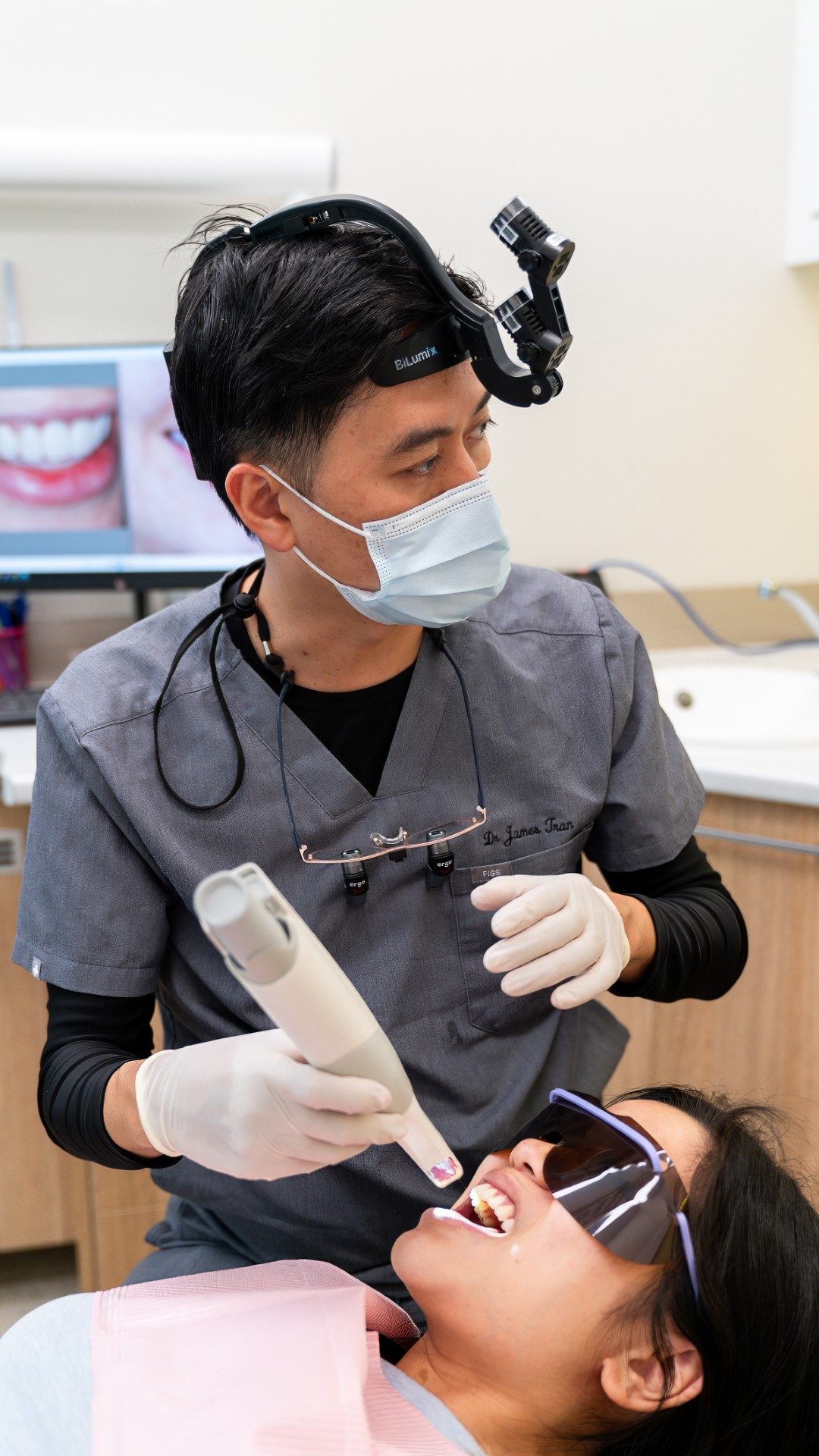
At Lumi Dental, we take a 3D intraoral scan, photographs and X-rays where needed, and talk through Damon braces and clear aligners against your goals. Where a case is beyond general dentistry, we refer to a registered orthodontist. Lumi Dental is at Melrose Central in Melrose Park and is open Monday to Saturday, and you can book online.







