


Dental anxiety in men is common, and it often shows up as putting visits off rather than as visible fear. “I have been busy” and “nothing hurts” are real reasons, but sometimes they sit on top of a quieter dread about the chair. The Better Health Channel describes dental anxiety as common and notes it can affect people of any age. Men are no exception. This article is about how it can look in men, why it so often goes unsaid, and what makes a visit easier.
Written by Dr James Tran, general dentist at Lumi Dental, Melrose Park. BDent (University of Sydney), Graduate Diploma in Oral Implants.
The short version
- Dental anxiety is a learned response, not a character flaw, and it can ease with calmer, predictable visits.
- In some men it shows up as delay, cancelling or irritation rather than as saying “I am nervous”.
- Waiting until something hurts tends to mean bigger treatment, which then feeds the fear.
- Knowing the plan, agreeing a stop signal and starting with a conversation help most people.
- For stronger anxiety, IV sedation is available at Lumi Dental.
Where dental anxiety comes from
Rarely one thing. A rough experience as a child is a common starting point. So are needles, the sound of the drill, the smell of the surgery, gagging, or simply lying back while someone works in your mouth and you cannot talk. For some people it is less about pain and more about not knowing what is coming next, especially after a long gap between visits.
Whatever the trigger, the pattern is the same. The brain links the dentist with discomfort and starts sounding the alarm well before the appointment. That link can be loosened, slowly, by visits that go the way you were told they would. Our article on overcoming a fear of the dentist looks at this in more detail.
How it can look different in men
People do not all show anxiety the same way, and plenty of men talk about it openly. Still, a few patterns come up often enough in general practice to be worth naming. These are tendencies, not rules.
Putting it off
The appointment gets moved. Then moved again. Work is busy, the car needs a service, the tooth is “fine for now”. Healthdirect notes that dental anxiety can cause delays and lead people to avoid check-ups and treatment, and this is usually how that happens: not a single decision, but a run of small ones.
Wanting to stay in control
Lying back, mouth open, unable to see or speak is an uncomfortable position for most people. Some men cope by wanting every step explained and having a firm say in the plan. That is a reasonable request. I would much rather answer ten questions before we start than have someone gripping the chair in silence.
Not wanting to mention it
Some men worry that saying they are nervous will look weak, or that they will be lectured about how long it has been. In reality, dental teams hear about anxiety every day. Mentioning it does not slow the appointment down. It changes how it is run.
Waiting until it hurts usually backfires
A tooth that hurts has often been heading that way for months. Early decay and a cracked filling make little noise. By the time there is pain, the nerve may be involved, and the visit becomes longer and more involved than it would have been.
That visit then confirms the fear: the dentist only ever means bad news. Short, regular check-ups break the cycle because most of them are uneventful. A clean, a look, a few X-rays, and you are out the door.
Signs anxiety might be what is keeping you away
- You have rebooked or cancelled more than once.
- Your heart rate climbs or your palms sweat in the waiting room, or just thinking about it.
- You sleep badly the night before.
- It has been years, and you cannot quite say why.
- You want to sit up and leave as soon as the chair reclines.
None of these mean anything is wrong with you. They point to what would help, which is better than gritting your teeth through it. The broader causes are covered in our guide to adult dental anxiety and how it is managed.
What helps in the chair
Small changes do more than people expect.
Talk first, treat later
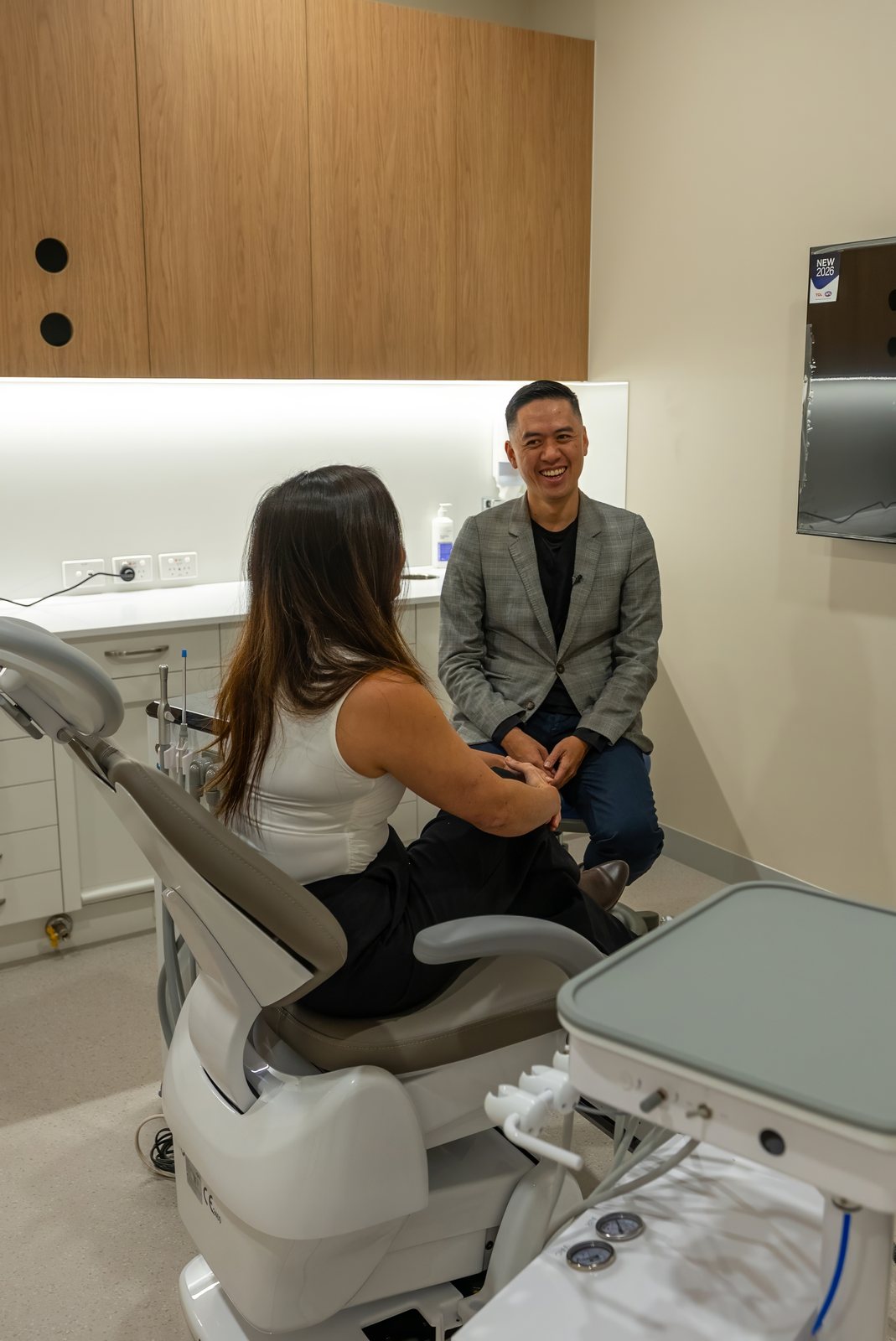
A first visit can be a conversation and an exam, nothing more. You sit upright, we talk about what has been bothering you, and the plan comes after. Many people find that this alone takes the pressure off.
Agree a stop signal
A raised left hand means stop, and it is honoured straight away. Once people know they can stop at any time, most rarely need to.
Choose how much you want to hear
Some patients want a running commentary. Others want to be told only when to open wider. Both are fine. Tell us which, and we follow your lead.
Pick a time that suits
A slot where you are not rushing back to work helps. If you are considering sedation, read about time off work and driving after sedation so you can plan around it.
Breathing and headphones
Slow breathing, out for longer than in, settles the body faster than most people believe. Music through headphones covers the sound of the instruments, which is the trigger for a lot of nervous patients.
Sedation, if talking is not enough
For some people, good communication is not enough on its own, and that is fine. The table below is a general comparison. Suitability is decided individually after your medical history is reviewed.
| Option | What it involves | Often suits |
|---|---|---|
| Communication and pacing | Clear explanations, breaks, a stop signal | Mild to moderate nerves |
| Local anaesthetic | Numbing the area being treated | People mainly worried about pain |
| Oral sedation | A tablet before the visit, where appropriate | Moderate anxiety, shorter treatment |
| IV sedation | Medication through a small cannula in the arm, with monitoring throughout | Strong anxiety, or longer and more involved treatment |
IV sedation is available at Lumi Dental. You stay breathing on your own and can respond, and many people remember little of the appointment. You will need someone to drive you home. Our IV sedation guide explains how it works, and the comparison of sedation options for anxious adults sets the choices side by side.
How we approach dental anxiety at Lumi Dental
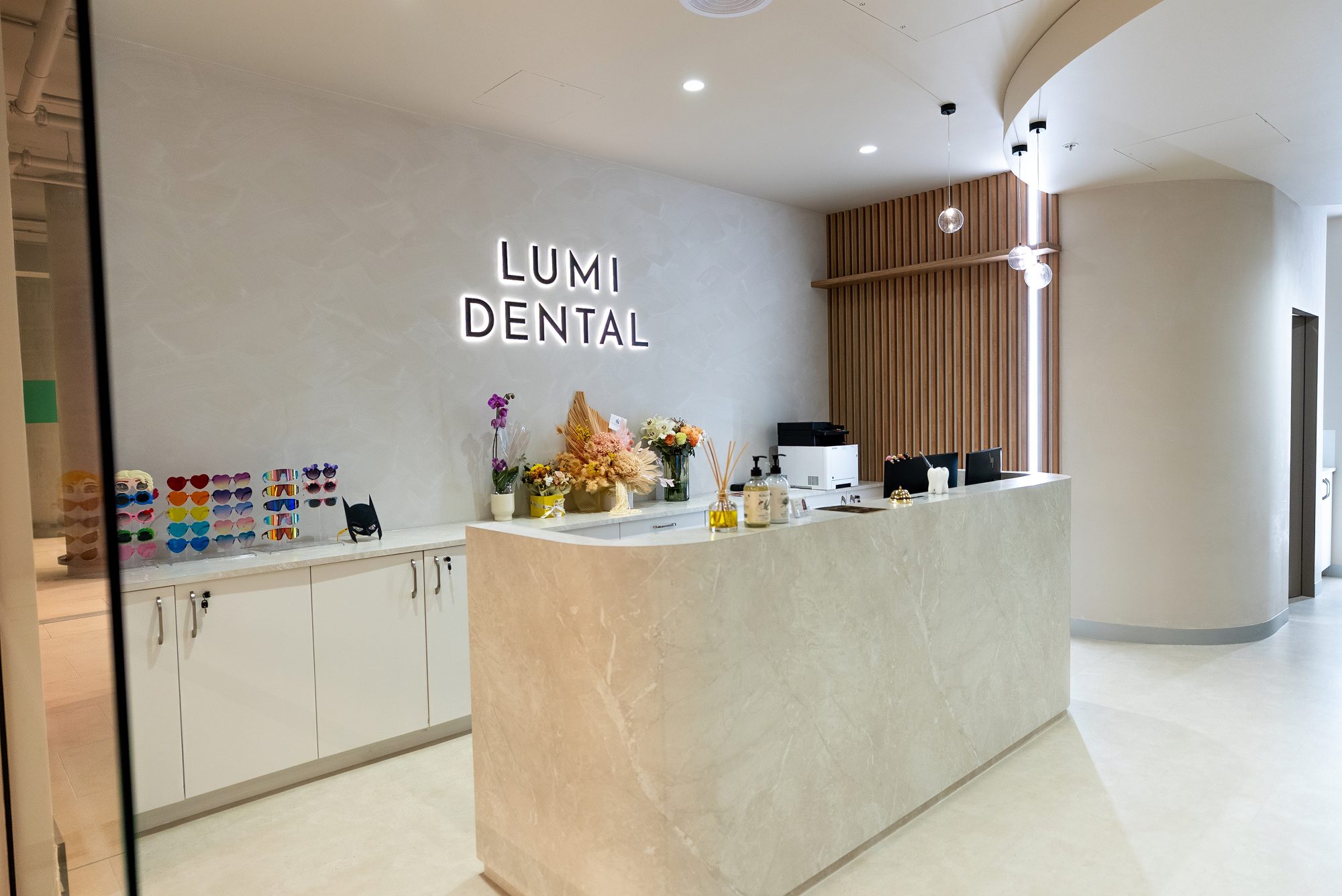
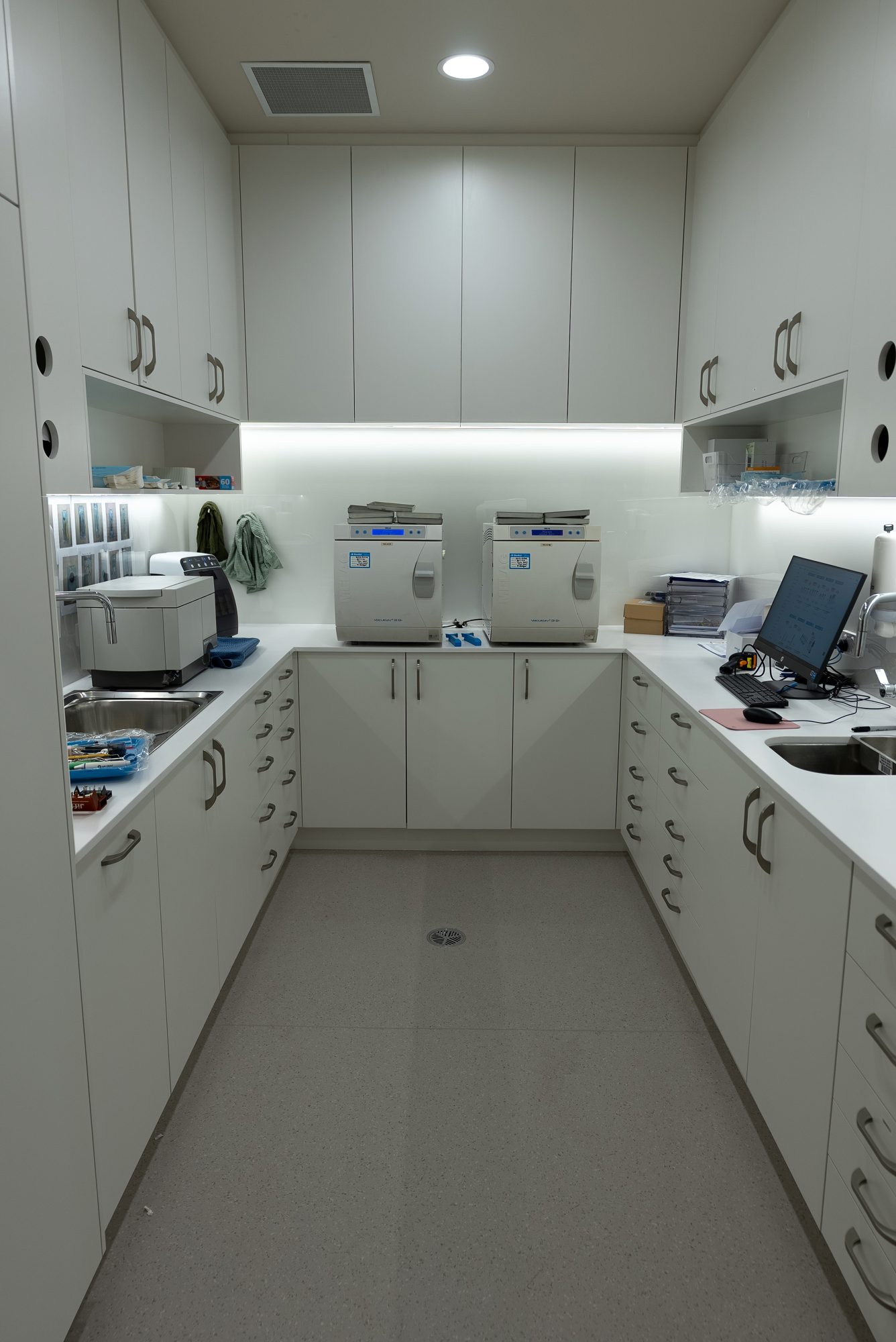
Lumi Dental is at Melrose Central, Melrose Park. Dr James Tran is a general dentist, and oral health therapists Sabrina Tran and Jennifer Nguyen see patients for cleans, gum care, children’s dentistry and whitening. For anxious patients, a first visit can be a chat and an exam with no treatment booked. If you want to know how things are done before you sit down, ask to see the dedicated sterilisation room. X-rays are taken on site with an Orthophos 3D X-ray unit, and impressions are taken with a 3D intraoral scanner rather than putty, which people who gag may find easier. IV sedation is available at the practice for those who need more support. When a case needs a registered specialist, the team refers on.
What to tell the team
You do not need a speech. A sentence is enough: “I get anxious at the dentist.” If you can, add what bothers you most, whether it is needles, the sound, gagging or not feeling in control, and roughly how long it has been since your last visit. Mention any regular medication or health conditions too, especially if sedation might be on the table.
Questions patients ask
Why are some men afraid of the dentist?
For the same reasons as anyone else: a bad experience, needles, gagging or losing control. The difference is often in how it shows, with avoidance more common than saying it out loud.
Is dental anxiety more common in men or women?
Anyone can be affected. The Better Health Channel describes it as common across all ages, and it is safest to assume it can affect anyone, whatever their gender.
Can I just come in when something hurts?
You can, and you will be looked after. A check-up while nothing hurts is usually shorter and gentler, though, and it makes the next visit easier.
Will I be judged for not going for years?
No. Long gaps are common, and the focus is on where things are now and what to do next. There is no pressure to start treatment on the day.
Is sedation safe?
IV sedation is generally considered safe for suitable patients when it is given with proper assessment and monitoring. Your medical history is reviewed first, and you are told exactly what to arrange beforehand.
A first step at Lumi Dental in Melrose Park
If anxiety has kept you away, the team at Lumi Dental in Melrose Park, Sydney can start with a relaxed conversation and an exam at your pace. Read about the practice’s approach to dental anxiety, and see the current deals page for exam offers.
Sources
- Better Health Channel: Dental anxiety and phobia
- healthdirect: Dental check-up
- Australian Dental Association SA: Anxious patients
About the author
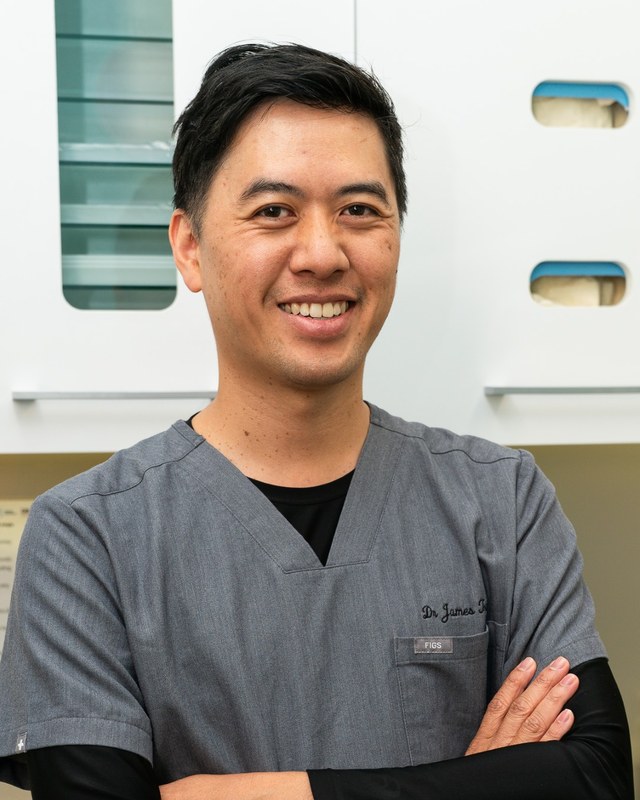
Dr James Tran is a general dentist at Lumi Dental in Melrose Park, Sydney, and is registered with the Dental Board of Australia. He holds a Bachelor of Dentistry from the University of Sydney and a Graduate Diploma in Oral Implants, is a Member of the International Congress of Oral Implantologists (MICOI), and is part of the General Dental Residency faculty. Read more about Dr James.
This article is general information and is not a substitute for advice from your own dentist after an examination. All dental treatment carries risks, and individual results vary.


