

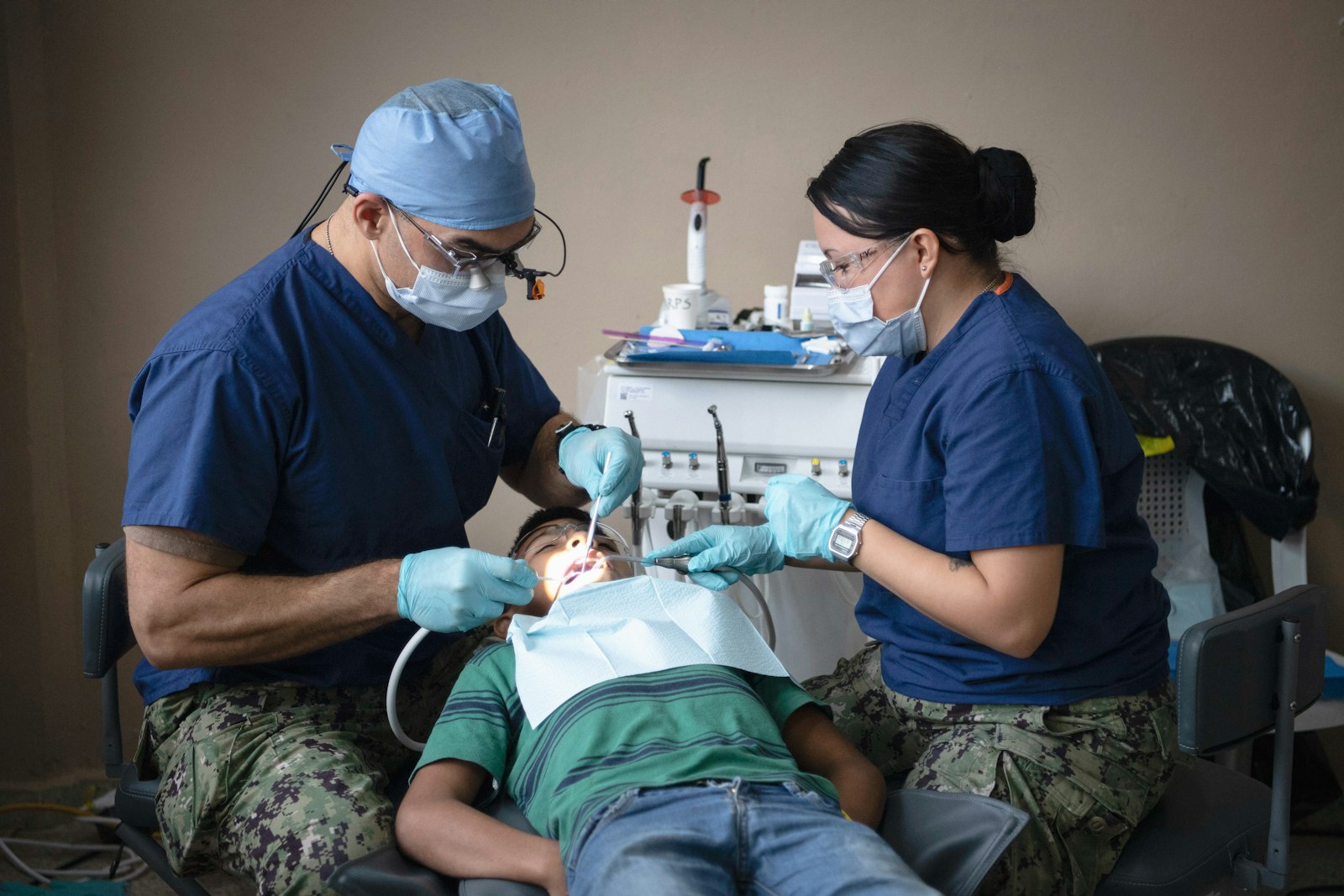

Around three in ten Australians delay or avoid seeing a dentist because of cost, and adults without dental insurance are roughly three times more likely to struggle paying a $200 dental bill than those with cover. Medicare does not generally cover dental care for adults, which surprises a lot of people who assume it works the same way as a GP visit. If you do not have private health insurance with extras cover, understanding what dental care actually costs, and what options exist, makes it much easier to plan rather than avoid the dentist altogether.
Key Takeaways
- Medicare does not cover general adult dental care. Its main dental role is the Child Dental Benefits Schedule for eligible children and teenagers.
- A standard check-up and clean without insurance typically costs in the vicinity of $200 to $350 in the general Australian market, though this varies by location and what is included.
- Public dental services exist for eligible concession card holders, but waiting times can run from several months to well over a year depending on the state and the urgency of the issue.
- Delaying care because of cost usually makes the eventual bill larger, since small problems caught early are cheaper to treat than the same problem left to progress.
- Payment plans, and asking for a written quote before treatment starts, are practical ways to manage cost without avoiding care altogether.
Why dental care sits outside Medicare
Australia's universal healthcare system was designed with dental care largely excluded from the outset, and it remains that way for most adults today. The main exception is the Child Dental Benefits Schedule, which provides a capped amount of Medicare-funded dental care for eligible children and teenagers. For everyone else, dental care is either paid privately, covered in part by private health insurance extras, or accessed through the public dental system for those who qualify. This structural gap is part of why cost is consistently reported as the top reason Australians delay dental visits.
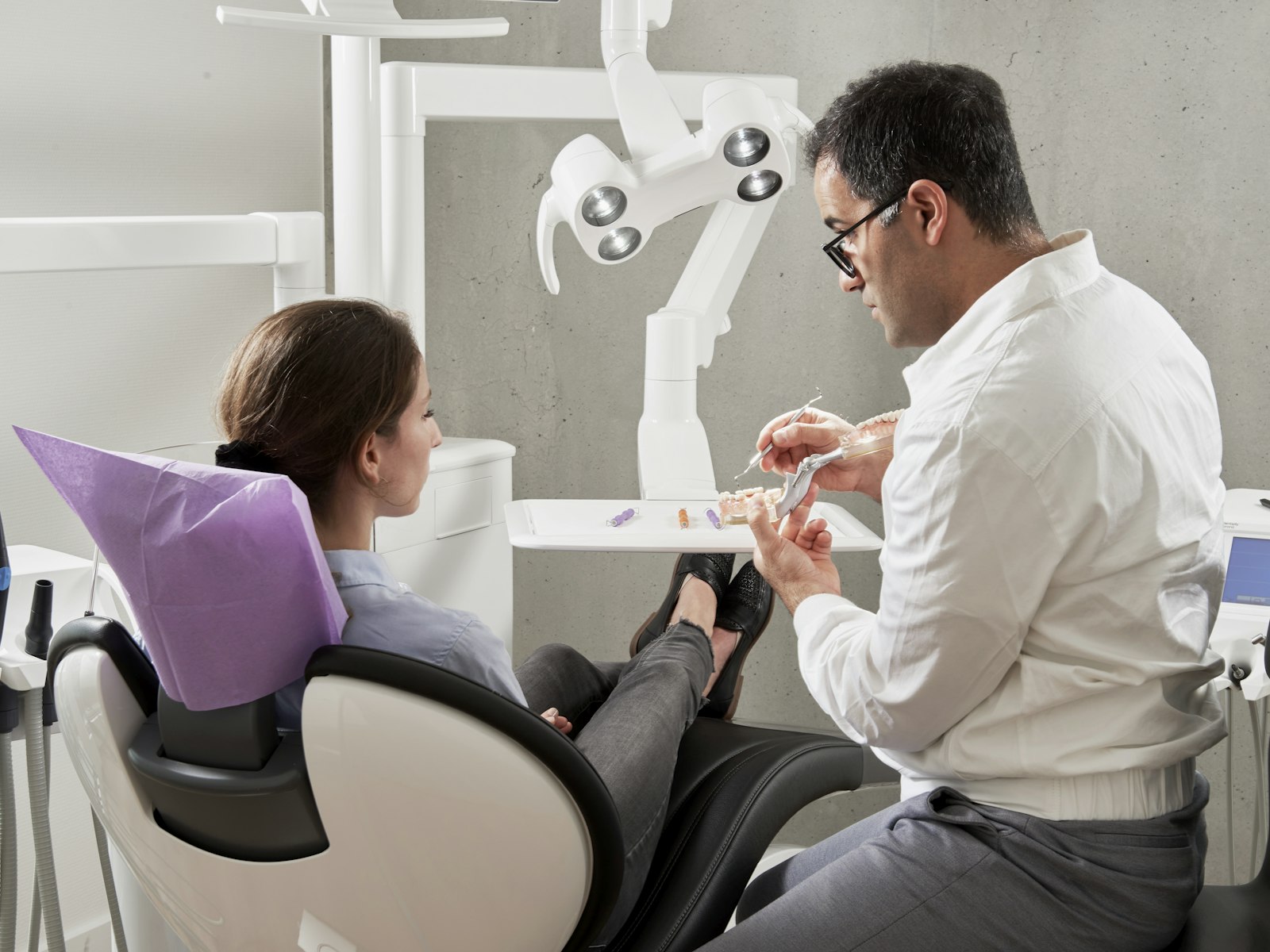
What dental care generally costs in the private market
| Treatment | General Australian market range | Notes |
|---|---|---|
| Check-up and clean | Roughly $200 to $350 | Varies by location and whether X-rays are included |
| Simple filling | Roughly $150 to $400 | Depends on size, location in the mouth and material used |
| Tooth extraction (simple) | Roughly $150 to $400 | Surgical extractions cost more and vary widely |
| Root canal treatment | Roughly $700 to $2,000+ | Cost depends heavily on the tooth and number of canals |
| Crown | Roughly $1,500 to $2,500 | Material and lab costs are the main drivers of variation |
These are general market ranges rather than fixed prices, and the only way to get an accurate figure for your own situation is a written quote after an assessment. Costs vary meaningfully between practices, states and the complexity of a given case, which our guide on dental payment plans and affording treatment covers in more detail alongside financing options.
Public dental care: who qualifies and what to expect
Roughly one in three Australians is eligible for public dental care, generally adults holding a Health Care Card or Pensioner Concession Card, along with eligible children. Public dental services offer free or heavily subsidised treatment, but the trade-off is waiting time, which can range from several months to well over a year depending on the state, the type of treatment needed and how urgent the presenting problem is. Genuine emergencies are generally triaged ahead of routine care within the public system, similar in principle to the private urgent-care triage process covered in our guide on how a dental practice triages emergency calls.
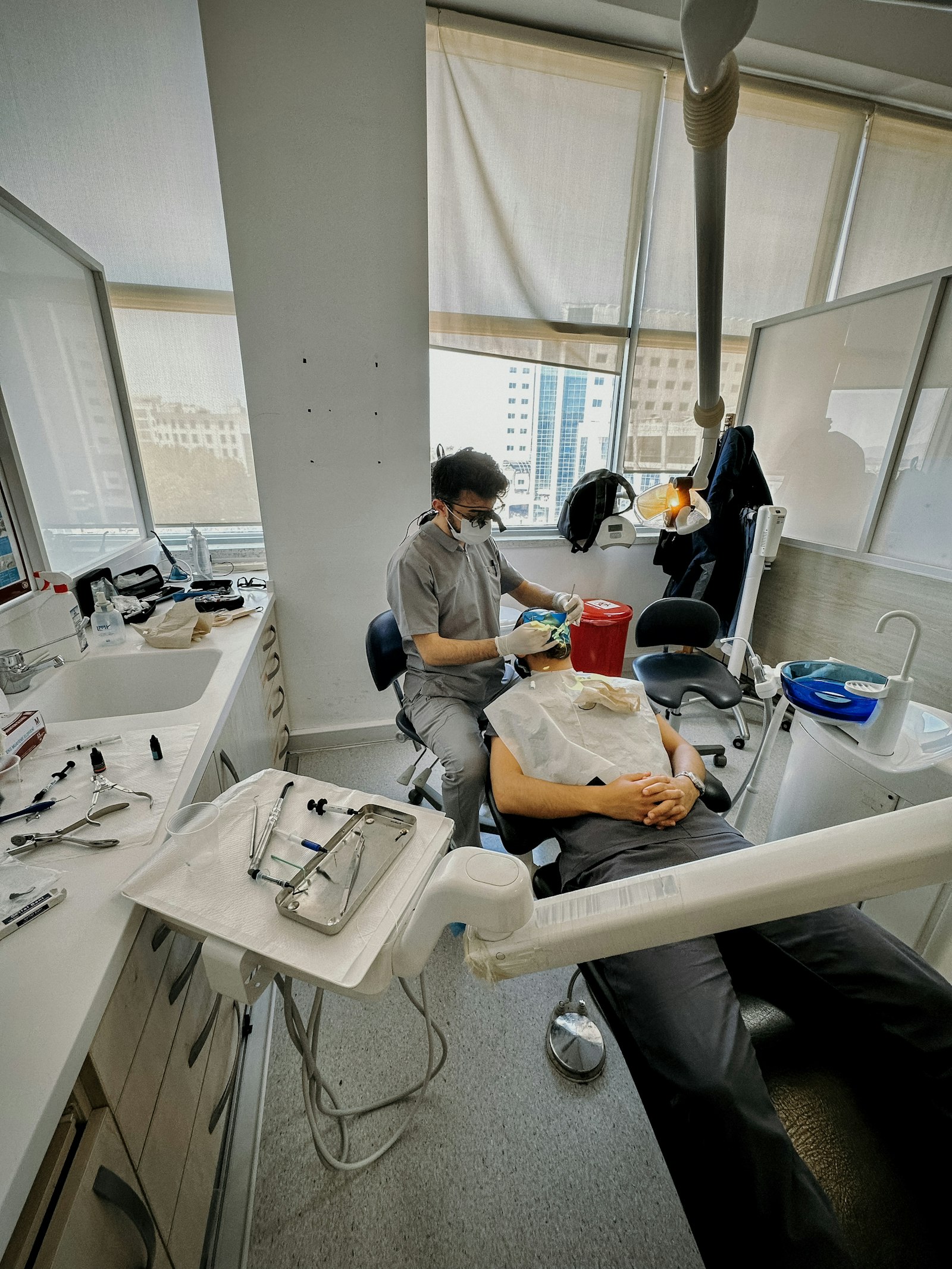
Why delaying care usually costs more in the end
A small cavity caught early is one of the cheapest things a dentist treats. Left long enough, the same tooth can progress to needing a root canal, or eventually an extraction and replacement, both of which cost considerably more than the original filling would have. Cost-driven delay is understandable, but it is worth being aware that avoiding a $200 to $300 check-up because of the cost can, for a meaningful share of patients, lead to a much larger bill later for a problem that started small.
Practical ways to manage cost without avoiding care
- Ask for a written treatment plan and quote before anything starts, so you know the total cost and can plan around it rather than being surprised afterwards.
- Ask whether treatment can be staged. Some non-urgent work can be spread across a few visits or months, which spreads the cost as well.
- Check eligibility for public dental care if you hold a concession card, even if the waiting time means it is not useful for an urgent issue right now.
- Ask about payment plan options most practices offer, which can make a larger treatment plan more manageable month to month.
- Prioritise the check-up itself. Even if you cannot afford recommended treatment immediately, knowing what is happening in your mouth lets you make an informed decision about timing rather than avoiding the dentist altogether.
Common Questions
Does Medicare cover any dental care for adults?
Generally no, with limited exceptions such as dental care linked to certain other Medicare-funded medical treatments. The main Medicare dental benefit is for eligible children and teenagers under the Child Dental Benefits Schedule.
How do I know if I am eligible for public dental care?
Eligibility is generally based on holding a Commonwealth concession card, such as a Health Care Card or Pensioner Concession Card. Your state health department's public dental service can confirm your specific eligibility and current waiting times.
Is it worth getting private health insurance extras just for dental?
It depends on your expected dental needs and the specific policy's waiting periods and annual limits. For some people the cover offsets enough cost to be worthwhile, while others find the premiums cost more than they would spend on dental care directly. It is worth comparing your likely usage against a policy's actual benefit limits.
What should I do if I cannot afford recommended treatment?
Ask your dentist directly. Many practices can stage treatment, offer a payment plan, or help you prioritise the most urgent work first rather than requiring everything to be done at once.
Are prices the same at every dental practice?
No. Prices vary between practices, states and individual case complexity, which is why a written quote after an assessment is the only reliable way to know your actual cost, rather than a general published price list.
If cost is a factor in your dental care and you would like a clear, written quote before anything is decided, the team at Lumi Dental is happy to talk it through. See current offers or find out more about general dental care at Lumi Dental.
This article is general information and does not replace individual financial or dental advice. Prices mentioned are general Australian market ranges, not quotes from any specific practice.

