

If you are looking for a dentist near Parramatta, Ryde or Melrose Park, the most useful thing you can do is check a handful of facts before you book: that the dentist is registered, that treatment plans and costs are given in writing, and that the practice explains how it handles sterilisation, emergencies and second opinions. Proximity matters, but a short checklist tells you far more about the care you are likely to receive than a search result does. This guide is written for people across the inner west and north-west corridor, including Melrose Park, Ermington, Rydalmere, Meadowbank, Ryde, Parramatta, Silverwater, Camellia and Putney.
Key Takeaways
- Every dentist in Australia should appear on the public register kept by the Australian Health Practitioner Regulation Agency, and you can check this in a minute or two.
- A good practice gives you a clear treatment plan and a written quote before treatment starts, and is comfortable with you asking for a second opinion.
- Ask how instruments are sterilised, what happens in a dental emergency and whether your health fund is recognised.
- Practical points such as appointment times, public transport and how the team speaks to anxious patients often decide whether you keep going to a practice.
- Red flags include pressure to decide on the spot, vague costs and reluctance to explain why a treatment is needed.
- A first visit is typically a conversation, an examination and a plan, not an obligation to start treatment.
Start With Registration
Dentists, dental hygienists, dental therapists and other dental practitioners in Australia must be registered with the Dental Board of Australia, which is supported by the Australian Health Practitioner Regulation Agency, known as AHPRA. The AHPRA public register of practitioners is free to search online. You enter the practitioner's name and can see whether their registration is current, what type of registration they hold and whether any conditions or notations apply.
This is worth doing even for a practice that looks polished or comes highly recommended. It takes very little time, and a good practice will not mind you asking who your dentist will be so that you can look them up. If someone claims a specialty, such as orthodontics or endodontics, you can also check the register for specialist registration.
Look for a Clear Plan and a Written Quote
One of the most common complaints patients share with me about previous dental experiences is not knowing what they were paying for. A good practice explains what the problem is, what the options are, what each option involves and what it is likely to cost, and it puts this in writing. The quote should be itemised enough that you can compare it, and it should tell you what is and is not included, such as X-rays, follow-up visits or a temporary restoration.
Costs are a real concern for many people. Ask whether payment options exist, and read our guide to dental payment plans and affording treatment so you know what to expect before you sit in the chair.

Ask About Sterilisation and Infection Control
Dental practices in Australia are expected to follow national infection control guidelines, which cover how instruments are cleaned, sterilised and stored, and how surfaces and single-use items are handled. You do not need to understand every step, but you can ask simple questions. How are instruments sterilised between patients? Are single-use items discarded after each patient? Can the team explain the process in plain language?
A confident, unhurried answer is a good sign. If the team seems irritated by the question or cannot answer it, that tells you something too.
Check Emergency Access Arrangements
Dental problems rarely arrive at a convenient time. Ask what the practice does if you have a toothache, a broken tooth or swelling. Some practices see their own patients quickly, some give guidance on where to go after hours and some do neither. You are entitled to know which category a practice falls into before you need it.
For dental injuries, our guide to dental injury first aid covers the immediate steps. If you have facial swelling that affects your breathing or swallowing, go to a hospital emergency department.
Think About Convenience Honestly
The best practice on paper is not much use if you cannot get to it. Consider how you travel, whether you work in Parramatta or Ryde and live elsewhere, and whether appointment times fit around your work. Ask the practice directly about its appointment times rather than assuming. Many patients find a practice near their workplace or along a route they already travel is easier to stick with, and our article on dental health for office workers touches on fitting care around a busy day.
Second Opinions and Health Funds
A confident dentist does not object to you seeking a second opinion, particularly for larger treatment such as crowns, implants or orthodontics. If a practice discourages it, treat that as a warning sign. You can take your written quote and any X-rays to another practice, and you may ask for copies of your records.
If you have private health cover, ask whether the practice is a provider for your fund and what your cover may include. Fund arrangements, waiting periods and annual limits differ, so it helps to confirm with both the practice and your fund before treatment.
Communication With Anxious Patients
Many adults avoid the dentist because of fear, past experiences or embarrassment about the state of their teeth. A good team listens, explains what is about to happen, offers you breaks and never shames you. It is reasonable to say on the phone that you feel anxious and ask how the team supports that. Our guide on adult dental anxiety, its causes and management offers more ideas.
Checklist Table
| What to check | What a good answer looks like | Warning sign |
|---|---|---|
| Registration | Dentist appears on the AHPRA public register with current registration | Reluctance to name the treating dentist |
| Treatment plan | Options explained in plain language, with reasons | Only one option offered, with no explanation |
| Written quote | Itemised, provided before treatment | Verbal estimates only |
| Sterilisation | Team can explain the process simply | Vague or defensive answers |
| Emergencies | Clear plan for existing patients | No plan and no guidance |
| Second opinions | Welcomed, records available | Discouraged or pressured |
| Health fund | Clear about provider status and cover | Unsure or evasive |
| Anxious patients | Breaks, explanations and no judgement | Dismissive attitude |
Red Flags to Watch For
- Pressure to accept treatment on the day without time to think.
- Costs that are unclear, or a quote that changes without explanation.
- Extensive treatment recommended without X-rays, photos or a clear explanation of why.
- Claims of guaranteed results or promises that sound too good to be true.
- Unwillingness to answer questions about who will treat you.
Questions to Ask on the Phone
- Which dentist would I see, and are they registered with AHPRA?
- Do you provide a written treatment plan and quote before any treatment?
- What happens if I have a dental emergency between appointments?
- Are you a provider for my health fund?
- How do you support patients who feel anxious?
- What should I bring to the first visit, such as previous X-rays or a medication list?
What a First Visit Involves
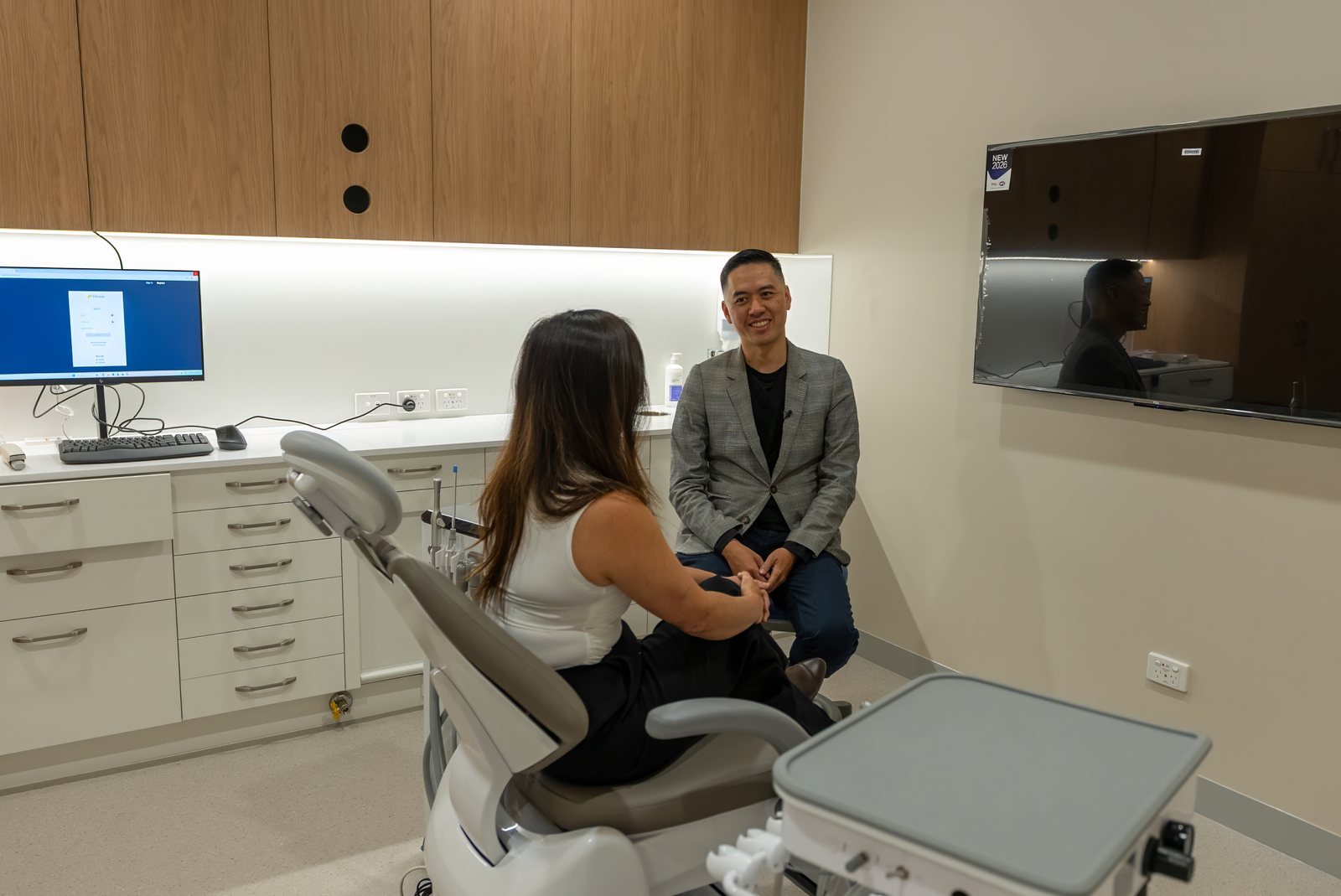
A first visit typically begins with a conversation about your concerns, medical history and any medicines you take. Then comes an examination of your teeth, gums and jaw, and X-rays if the dentist considers them necessary. Afterwards, the dentist should explain what they found, outline the options and give you a plan. If you feel unsure, you can take the plan away and think about it.
Let the team know about any change to your health or medicines. If you take prescribed medicines, do not stop or change them without speaking to your doctor or pharmacist.
Common Questions
How do I check if a dentist is registered in Australia?
Search the practitioner's name on the AHPRA public register of practitioners, which is free online. It shows whether registration is current and whether any conditions apply.
Should I choose a dentist by location or by quality?
Ideally both, but location alone is not enough. Use the checklist above to compare practices, then weigh convenience such as appointment times and how you travel.
Can I get a second opinion on dental treatment?
Yes, and a good dentist should welcome it. Take your written quote and any X-rays to another practice for their view.
Do I need a written quote before dental treatment?
You should ask for one. A written quote sets out the proposed treatment and costs so you can compare, plan and avoid surprises.
What if I am scared of the dentist?
Tell the practice when you book. Many teams can slow down, explain each step and offer breaks, and you can start with a simple check-up rather than treatment.
Is a new patient examination free?
It depends on the practice. Ask when you call, and ask what is included so you understand what any offer covers.
Meet the Team at Melrose Central
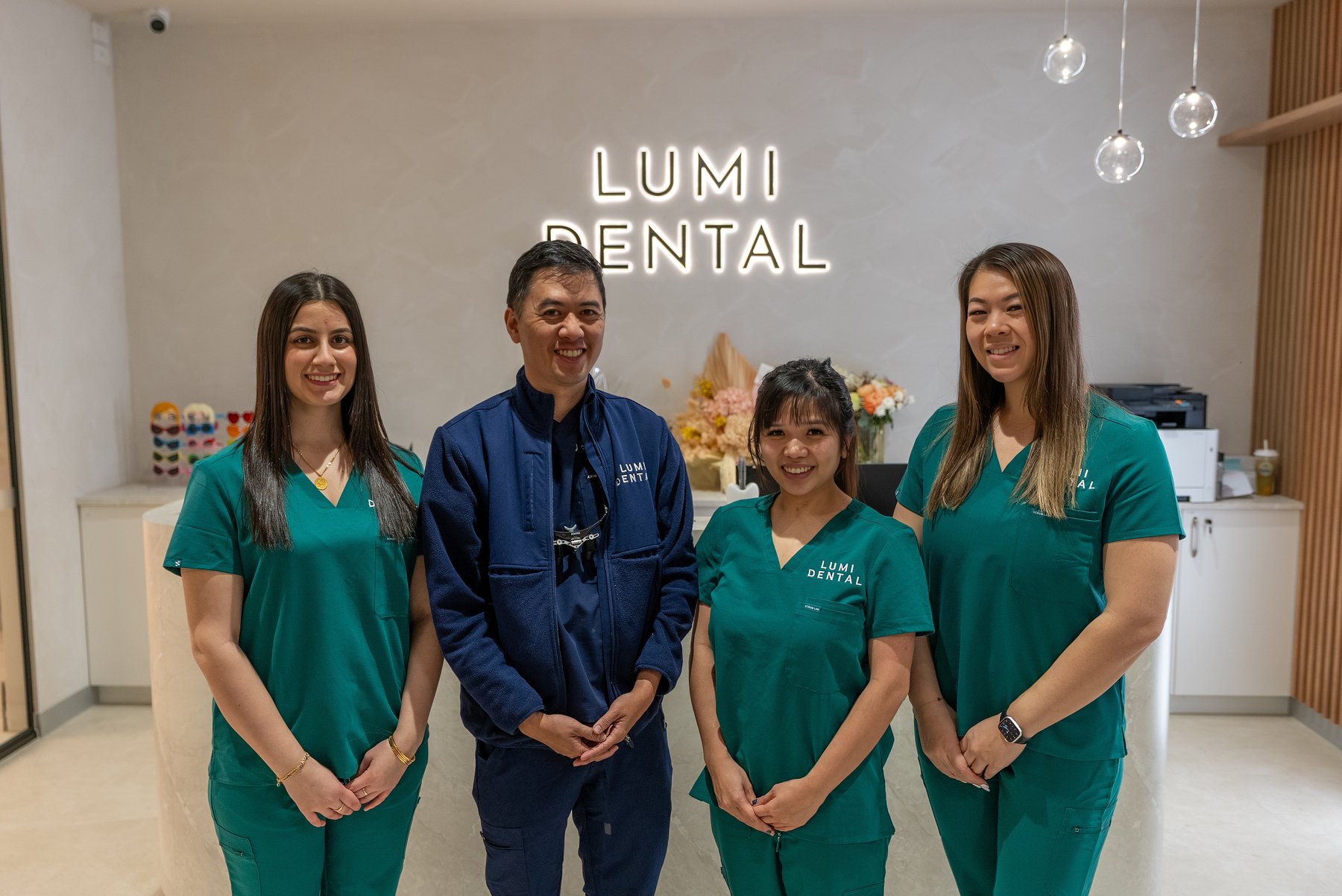
Lumi Dental is located at Melrose Central, Melrose Park, and welcomes patients from across Melrose Park, Ermington, Rydalmere, Meadowbank, Ryde, Parramatta and nearby suburbs. If you would like to see how the team approaches a first visit, you can read about our general dentist services in Melrose Park, see the current new patient offer, and arrange a free consult and written quote. There is no pressure, and you are welcome to take the plan away and compare it.


