
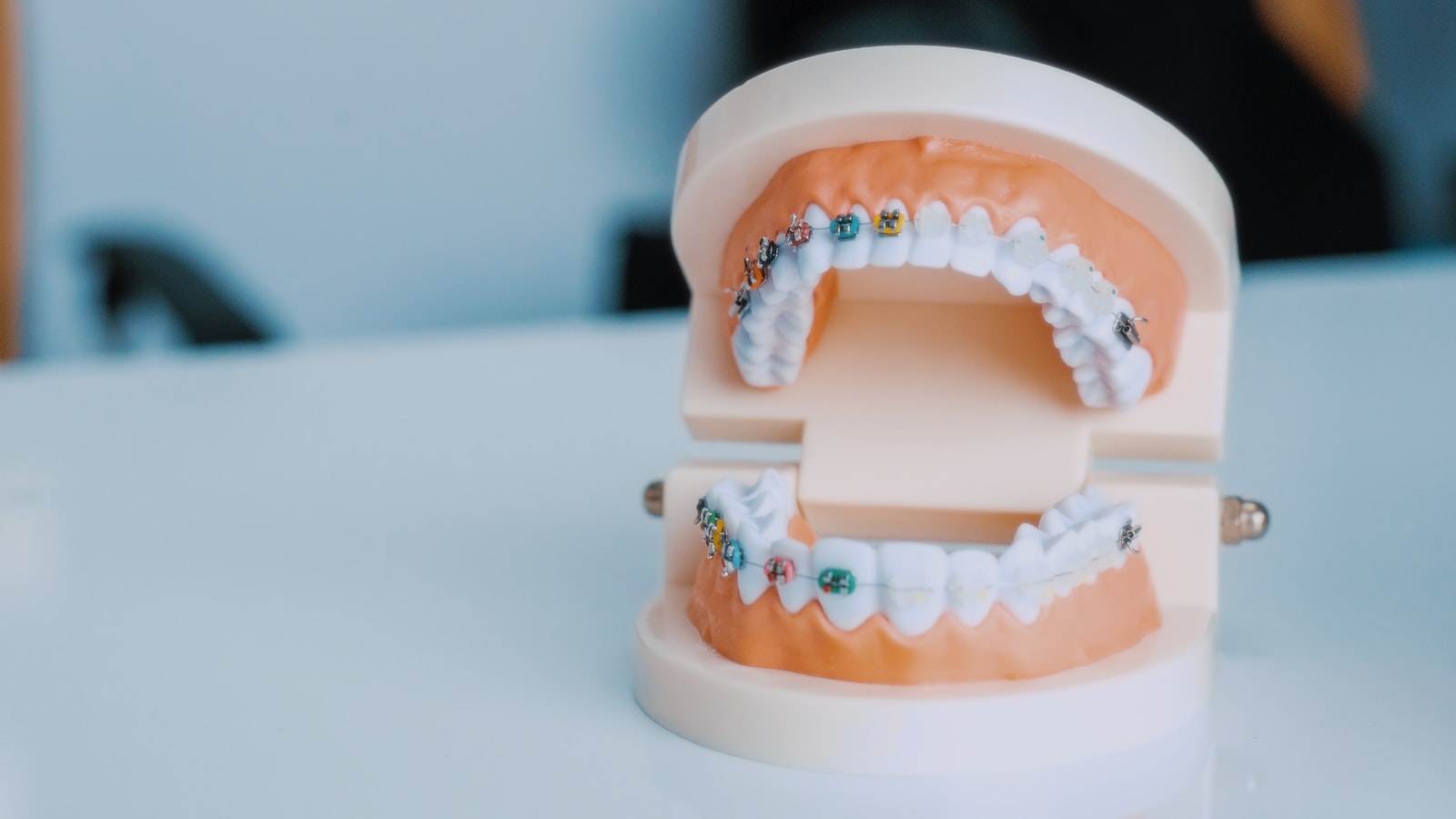

If the teeth on your denture are still in good condition and only the fit has changed, a denture reline is usually the answer. If the teeth are worn, chipped or discoloured, or the base is cracked or has been repaired more than once, a new denture is usually the better value. That single rule sorts out most cases before anyone picks up an instrument.
The reason fit changes has nothing to do with the denture wearing out. Once natural teeth are gone, the jawbone that used to hold them slowly shrinks. That shrinkage is fastest in the first year after extractions and continues gently for the rest of your life. Your denture stays the same shape while the ridge underneath it changes, so a plate that used to sit snugly starts to rock, lift and rub.
Key takeaways
- A reline resurfaces the fitting side of the denture. A rebase replaces the whole pink base and keeps your existing teeth. A new denture replaces everything.
- Bone shrinks after tooth loss, so looseness is expected over time, not a sign you did something wrong.
- Many people need a reline every 1 to 2 years, others every 3 to 5 years. Dentures themselves commonly last around 5 to 7 years.
- Soft relines cushion tender ridges. Hard laboratory relines are more durable.
- Chemist DIY reline kits can lock in a bad fit and damage the base, so they are best avoided.
- Sore spots, food trapping, clicking and needing more adhesive than before all point to a fit problem worth assessing.
Signs your denture needs attention
Most people put up with a loose denture far longer than they need to. Look out for these:
- Sore spots or ulcers that keep appearing in the same place.
- The denture lifting or dropping when you eat, laugh or speak.
- Needing more adhesive than you used to, or needing it more than once a day.
- Food packing underneath the plate after most meals.
- Clicking sounds while you talk or chew.
- A change in your facial profile, with lips and cheeks looking a little collapsed or the chin appearing closer to the nose.
- Chewing that has become slower or more limited, so you avoid certain foods.
Ongoing rubbing is worth attention beyond comfort. A denture that constantly irritates one area of tissue can create persistent sore patches, and chronic irritation is something a dental professional should look at rather than something to ignore. If a sore area is not healing within a couple of weeks, get it checked.
Reline, rebase or replace
What a reline does
A reline adds a new layer of material to the fitting surface of the denture, the side that sits against your gums. The teeth, the bite and the appearance stay the same. It is the right choice when the denture still looks good, bites well and is structurally sound, but the fit has loosened.
Soft reline. A cushioned, more flexible material. Often used for people with tender or thin ridges, sharp bony areas, or those still healing after extractions. It is kinder to the tissues but does not last as long and can be harder to keep clean.
Hard reline. A firmer, laboratory processed acrylic that bonds to the existing base. More durable and easier to clean, and the usual choice for a healed, settled ridge.
Chairside versus laboratory. A chairside reline is done in the practice, often within the same visit, so you keep your denture the same day. A laboratory reline means being without the denture for a period, sometimes a day or more, but is generally more accurate and longer lasting.
What a rebase does
A rebase replaces the entire pink acrylic base while keeping your existing denture teeth. It suits a denture where the teeth are still in good condition but the base has become weak, stained, repeatedly repaired or badly adapted. Think of it as a reline that goes all the way through.
When a new denture makes more sense
New dentures are usually the better call when the teeth are visibly worn flat, chipped or discoloured, when the bite has closed down over years of wear, when the base has cracked more than once, or when the shape and support of the denture no longer match your face. There is a point where spending on repeated relines of an old denture stops being good value.
Comparing your options
| Option | What changes | Typical lifespan of the fix | General market cost range | Best for |
|---|---|---|---|---|
| Soft reline | Cushioned layer added to the fitting surface | Months to around a year | From about $100 per arch | Tender or sharp ridges, healing after extractions |
| Hard reline (laboratory) | New firm acrylic layer on the fitting surface | Commonly 1 to 3 years | Commonly a few hundred dollars per arch | Settled ridges, denture teeth still in good shape |
| Rebase | Whole pink base replaced, existing teeth kept | Commonly several years | Higher than a reline, well below a new denture | Good teeth, weak or repeatedly repaired base |
| New denture | Base, teeth, bite and appearance all renewed | Commonly around 5 to 7 years | Around $900 to over $8,000 depending on type and materials, with a single full upper or lower often quoted from around $1,900 and a full upper and lower set from around $3,600 | Worn or discoloured teeth, collapsed bite, cracked base |
These are general Australian market ranges gathered for comparison, not a quote. Actual figures vary with materials, laboratory, complexity and your health fund cover.
Why DIY reline kits are a poor idea
Chemist and online reline kits are tempting because they are cheap and immediate. The problem is that they set to whatever position you happen to be biting in, which is often not the correct one. That can lock in an uneven fit, concentrate pressure on one part of the ridge and speed up bone loss in that area. The material can also be difficult to remove, bond poorly to the base and roughen over time, which makes the denture harder to keep clean and more likely to harbour fungal growth.
The other risk is that a home fix masks a problem that needs looking at. A denture that suddenly became loose may be sitting on a ridge that has changed for a reason worth investigating.
Looking after a relined denture
Clean the denture over a bowl of water or a folded towel so a drop does not crack it. Use a denture brush and mild soap or a denture cleaner, not regular toothpaste, which is abrasive enough to scratch acrylic over time. Soft relined dentures need gentler handling and specific cleaners, so ask which product suits yours.
Leave the denture out overnight where possible and store it in water so it does not dry and distort. Clean your gums, tongue and palate with a soft brush morning and night, and keep having regular check ups even without natural teeth, because the tissues, the ridge and the fit all need reviewing.
If you have some natural teeth left alongside a partial denture, looking after them matters even more, since they carry extra load. A regular professional clean and good technique with an interdental brush both help. If gum health has been an issue, periodontal maintenance versus a regular clean explains the difference in approach.
What about implants instead
Some people reach a point where relining a loose lower denture every year stops feeling worthwhile. Implants can be used to hold a denture in place, which reduces movement and, for many people, improves chewing comfort. It is a bigger commitment in time and cost, and it depends on having enough bone, general health and a full assessment. If you are curious, converting a denture to implants covers how that pathway works, and bone grafting and sinus lifts explains what happens when there is not enough bone to start with.
Frequently asked questions
How often does a denture need relining?
It varies with how fast your ridge changes. Some people need a reline every 1 to 2 years, others manage 3 to 5 years. After recent extractions, the first reline is often needed sooner because healing bone changes shape quickly.
Does a reline hurt?
No. The denture is what gets modified, not your mouth. You will be asked to bite into the material while it registers the shape of your ridge, which feels like firm pressure for a few minutes.
Can any denture be relined?
Most can, provided the base is sound and the teeth and bite are still acceptable. A cracked, warped or repeatedly repaired base is usually better rebased or replaced.
How long am I without my denture?
A chairside reline is often same day. A laboratory reline usually means leaving the denture for a period, sometimes overnight or longer, so it is worth planning around work and social commitments.
Will a reline stop my denture rocking completely?
It typically improves fit and comfort considerably. A lower denture on a very flat ridge may still move somewhat, because there is less shape for it to hold onto. That is where implant support is sometimes discussed.
Does private health insurance cover a reline?
Many extras policies contribute to relines and dentures under major dental, often with annual limits and waiting periods. Ask for the item numbers in writing so you can check with your fund before proceeding.
The takeaway
Judge the teeth and the base first, then the fit. Good teeth plus a sound base plus a loose fit usually equals a reline. Worn teeth, a collapsed bite or a base that keeps cracking usually means it is time for a new denture, and a rebase sits neatly in between. Whichever way it goes, avoid the home kit and get a proper assessment, because the fit of a denture affects both comfort and the bone underneath it.
If your denture has become loose or sore, the team at Lumi Dental in Melrose Park can check the fit, explain the options and give you a written quote before anything is booked. You can also see what is currently available on the current deals page. Lumi Dental is open Monday to Saturday, with Sunday by appointment.
This article is general information only and is not a substitute for an examination and personal advice.


