
Chronic kidney disease affects far more than the kidneys, and the mouth often shows some of the earliest signs. People on dialysis are more likely to develop gum disease, dry mouth, mouth sores, a metallic taste and bleeding gums, partly because the condition weakens the immune response and partly because of the medicines and fluid limits involved. The mouth and the kidneys also influence each other: untreated gum infection adds to the inflammation that can worsen kidney disease. Looking after your teeth is therefore part of looking after your general health.
The single thing to remember
With kidney disease, prevention and timing matter more than usual. Keep the mouth as clean and infection-free as possible, and plan dental treatment around your dialysis schedule and your medical team. Small problems are easy to manage; infections in someone with a weakened immune system are not.
- Dry mouth, metallic taste and bad breath are common and treatable.
- Gum disease is more likely and progresses faster, so daily plaque control is key.
- Bleeding and slower healing need planning around dialysis and blood thinners.
- Tell your dentist about your kidney condition, dialysis days and all medicines.

Why the mouth changes with kidney disease
As the kidneys filter less effectively, waste products build up in the blood and saliva. This is behind the metallic taste, ammonia-like breath and mouth sores many patients notice. Reduced fluid intake and certain medicines dry the mouth, which removes saliva's protective rinsing and buffering, so plaque acids linger and decay risk rises. Kidney disease also disturbs the balance of calcium and phosphorus, which can weaken the jawbone that supports the teeth and, over time, contribute to loose teeth. If you experience a persistent dry mouth, the strategies in our dry mouth guide apply here too.
Gum disease and the two-way link
A weakened immune system fights plaque less effectively, so gingivitis and deeper gum disease develop more readily and can advance faster. This matters beyond the mouth. Gum disease is a source of chronic inflammation, and inflammation is thought to contribute to the progression of kidney disease, so the two conditions can feed one another. Keeping gums healthy is one practical thing within your control. Our article on gum disease treatment explains the stages and what each one needs.
Planning dental treatment safely
Most dental care is safe for people on dialysis, but timing and communication make it safer. Bleeding risk is higher because of the condition itself and the blood thinners used during dialysis, and healing can be slower.
General planning principles
| Consideration | Why it matters | Common approach |
|---|---|---|
| Day of treatment | Blood thinners peak on dialysis days | Non-dialysis days are often preferred for procedures |
| Bleeding risk | Higher tendency to bleed | Local measures, careful technique, sometimes liaison with your specialist |
| Infection risk | Weakened immunity | Treat infections promptly, sometimes antibiotic planning with your team |
| Medicines | Some drug doses change with kidney function | Your dentist checks dosing and avoids kidney-stressing medicines |
Always bring an up-to-date medicine list and your nephrologist's details so the team can coordinate care where needed.

Daily care that makes the biggest difference
- Brush twice a day with a fluoride toothpaste and clean between the teeth daily.
- Manage dry mouth with frequent small sips of water within your fluid limit, sugar-free gum and saliva substitutes.
- Choose water over sugary or acidic drinks to protect against decay and erosion.
- Treat a metallic taste by keeping the mouth clean and discussing it with your medical team.
- Report bleeding gums, looseness, swelling or mouth sores early rather than waiting.
- Keep regular dental visits so problems are found before they become infections.
Frequently asked questions
Can I have dental treatment on a dialysis day?
It is usually better to avoid procedures on dialysis days because blood thinners are most active then, which raises bleeding risk. Non-dialysis days are often preferred, but your dentist will plan around your individual schedule.
Why does my mouth taste metallic?
A build-up of waste products in the blood and saliva, along with some medicines, commonly causes a metallic taste and altered taste in kidney disease. Good oral hygiene helps, and it is worth mentioning to your medical team.
Are dental infections more dangerous for me?
They can be, because a weakened immune system clears infection less easily and infection can spread more readily. This is why prompt treatment of toothache, abscesses and gum infection is important. Our tooth abscess guide describes the warning signs.
Should I tell my dentist I am on dialysis?
Always. Your kidney condition, dialysis schedule and medicines all shape safe treatment. Sharing them lets the team coordinate with your specialist and choose the right timing and medications.
Talk to the team at Lumi Dental
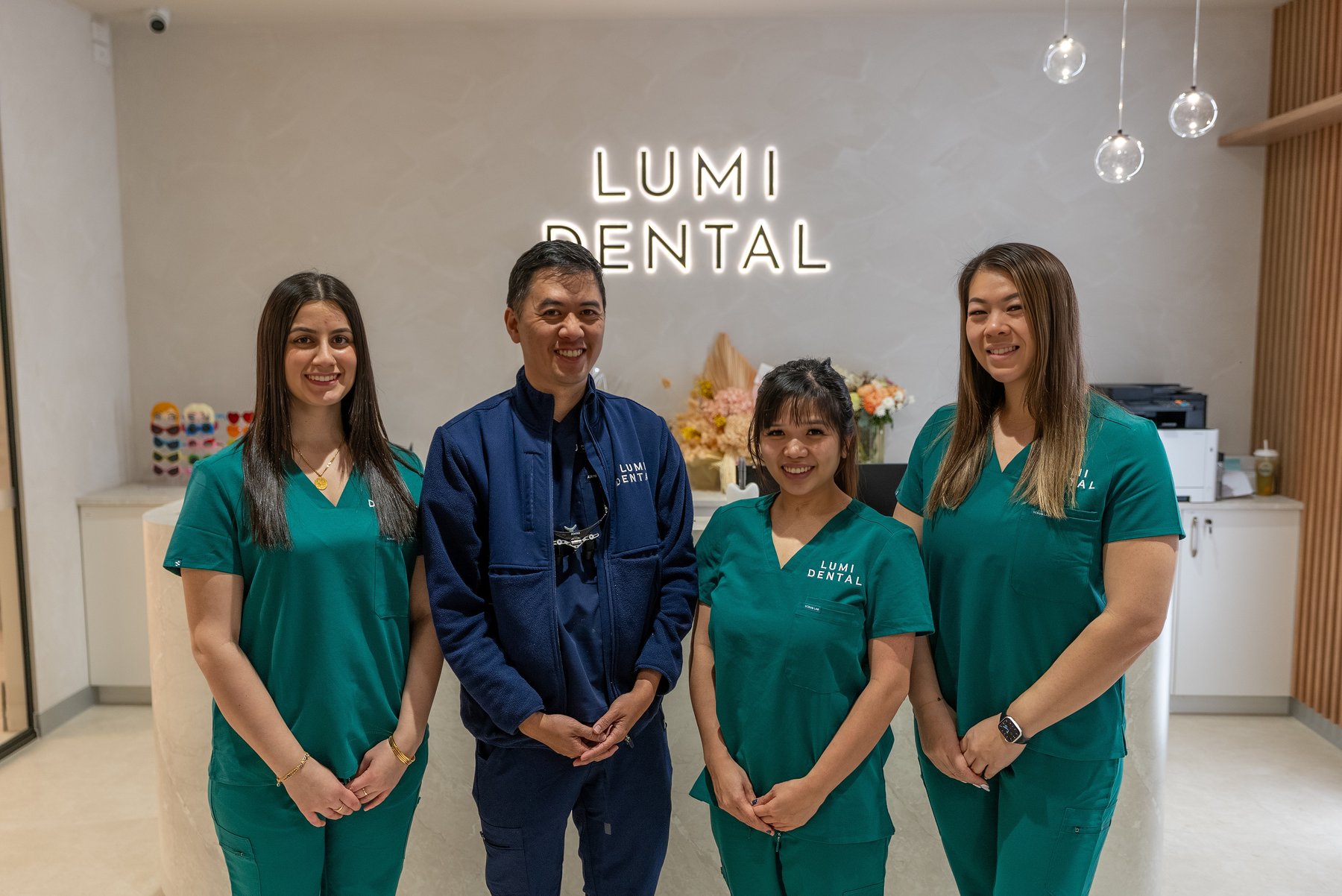
If you live with kidney disease or are on dialysis, a preventive, well-coordinated dental routine protects both your mouth and your wider health. The team at Lumi Dental works with you and your medical team to plan safe, gentle care. Learn more about our general dental care in Melrose Park or view current new-patient options on our offers page. We do not list our own prices here; ask us for a written quote.
This article is general information and does not replace advice from your dentist, GP or kidney specialist. Always coordinate dental care with your medical team.