

Not everyone can get to a dental clinic. Frailty, advanced illness, severe mobility limits and dementia can all make leaving home unsafe or impossible. Domiciliary dentistry, often called home visit dental care, brings the dentist to the person instead. It is an established part of caring for housebound people and residents of aged care, and it keeps the mouth comfortable and free of infection when a clinic visit is out of reach. This guide explains what home visits can offer, who qualifies and how to arrange them in Australia.
The single thing to remember
Home visits are mainly about prevention, comfort and simpler treatment, with complex care referred to a clinic when the person can travel safely. The goal is to keep the mouth healthy and pain-free so that infections, eating problems and discomfort are avoided.
- For people who are genuinely housebound or in residential aged care.
- Covers check-ups, cleaning, denture care, and many simpler treatments.
- Some complex procedures still need clinic equipment.
- Concession card holders may access subsidised public services.
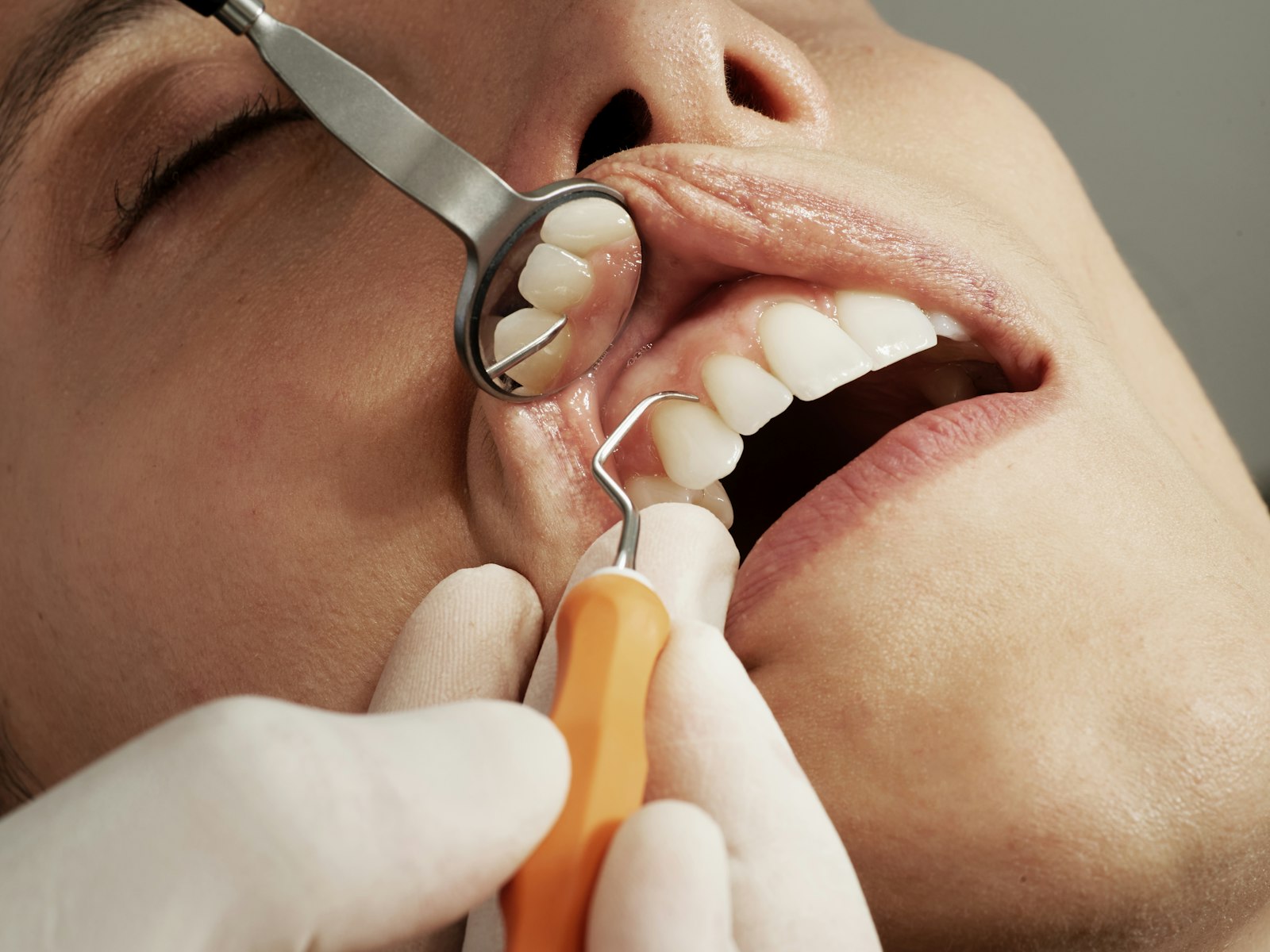
Who home visit dentistry is for
Domiciliary care suits people who cannot reasonably attend a clinic. That includes those who are housebound through frailty or illness, people in residential aged care, and people with conditions such as advanced dementia, motor neurone disease or severe disability for whom travel is distressing or unsafe. Public services usually require the person to be genuinely housebound, often with a medical condition that makes transport difficult or unsafe, and sometimes within a set distance of the service. A referral from a doctor or the residential care facility is commonly needed.
What can and cannot be done at home
Portable equipment has made a surprising amount possible at the bedside, but there are limits. The table below gives a general picture; exactly what is offered varies between services.
| Often possible at home | Usually needs a clinic |
|---|---|
| Examinations and oral health advice | Complex extractions or surgery |
| Scale and clean | Root canal treatment |
| Simple fillings | Crowns, bridges and implants |
| Denture assessment, repair and new dentures | Detailed X-rays needing fixed equipment |
| Simple extractions in suitable cases | Treatment requiring sedation facilities |
| Managing sore spots and infection | Anything needing specialist support on site |

How to arrange a home visit in Australia
- Ask the person's GP or aged care facility for a referral to a public domiciliary or community dental service.
- Check eligibility, which often requires being housebound and may consider distance from the service.
- Concession or pensioner card holders may access subsidised public dental care.
- Private mobile dental services are also available in major cities for those who prefer them.
- Have the person's medical history and current medicines ready for the visit.
Carers preparing for a visit may also find our guides on dementia and dental care and Parkinson's disease and oral care helpful for daily routines between appointments.
Keeping the mouth healthy between visits
Because home visits are less frequent than clinic check-ups, daily care matters even more. Brush twice a day with fluoride toothpaste, clean dentures and leave them out overnight, keep the mouth moist if it is dry, and watch for ulcers, swelling, looseness or pain that should be reported. Catching small problems early avoids the need for complex treatment that might require a clinic.
Frequently asked questions
Is home visit dentistry only for older people?
No. While many patients are older, domiciliary care suits anyone who is genuinely housebound or for whom travel is unsafe, including younger people with severe disability or advanced illness.
Does it cost more than going to a clinic?
Fees vary between public and private providers, and concession card holders may access subsidised public services. We do not list our own prices here. Ask any provider for a written quote and check public eligibility first.
Can dentures be made during a home visit?
Often yes. Many services can assess, repair and make new dentures at home, which is valuable because a poorly fitting denture causes pain and makes eating difficult.
What if complex treatment is needed?
The dentist will stabilise the problem, relieve pain and arrange clinic care if and when the person can travel safely. The priority at home is comfort and preventing infection.
Talk to the team at Lumi Dental
If a family member cannot get to a clinic, the team at Lumi Dental can help you understand the options for home and community dental care and plan daily routines in the meantime. Learn about our general dental care in Melrose Park or view current new-patient options on our offers page. We do not list our own prices here; ask us for a written quote.
This article is general information and does not replace advice from your dentist or healthcare team. Eligibility and services vary between providers and states.


