
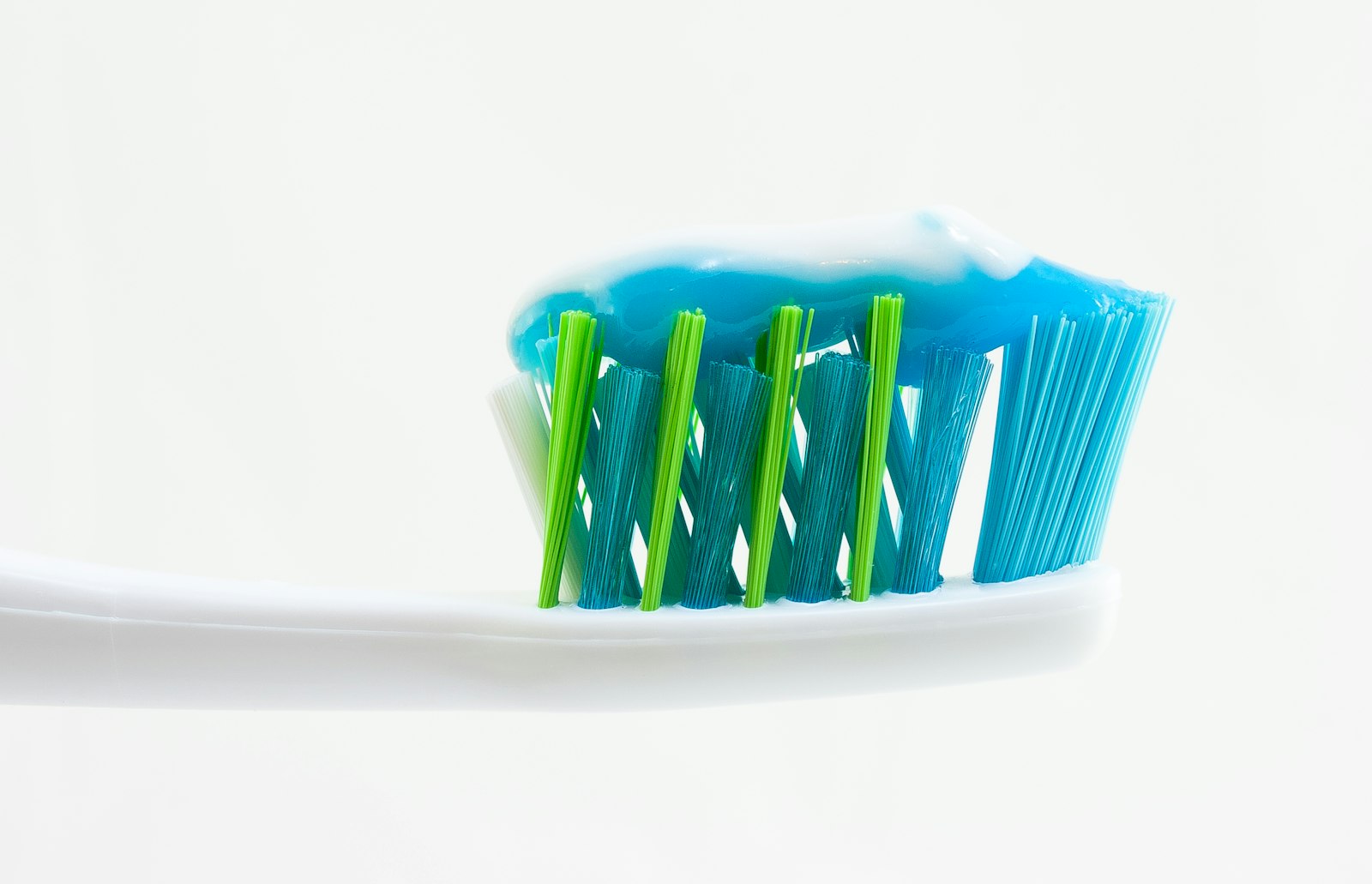

Most dental professionals suggest kids can start using an electric toothbrush from around age three, provided an adult supervises the whole two minutes. Neither the American Academy of Pediatric Dentistry nor the Australian equivalents set a strict minimum age, so the real deciding factor is whether your child can sit still and let you guide the brush, not a birthday. Electric brushes with a built-in timer and a soft, small head tend to remove plaque more effectively than manual brushing when a parent is doing the brushing for a younger child, according to clinical studies comparing the two.
Key Takeaways
- Most dentists suggest introducing an electric toothbrush from around age three, always with adult supervision.
- Neither the AAPD nor the ADA sets an official minimum age, so readiness matters more than age alone.
- Look for a soft, small brush head sized for a child's mouth, a built-in two-minute timer, and a pressure sensor if the model has one.
- Supervision or hands-on brushing is recommended until around age seven or eight, when fine motor skills catch up.
- A pressure sensor helps stop kids brushing too hard, which can wear down enamel and irritate gums over time.
- Manual brushes remain a perfectly good option at any age. The best toothbrush is the one your child will actually use properly, twice a day.
What age can kids start using an electric toothbrush?
There's no single official cut-off. General dental guidance points to around age three as a reasonable starting point, since by then most children can understand simple instructions and tolerate the buzzing sensation. Some children take to it earlier, others prefer a manual brush for longer and that's fine too. The bigger factor across all ages is supervision. The ADA recommends children under about seven be supervised while brushing, and that applies whether the brush is manual or electric, because young kids don't yet have the coordination to reliably clean every surface on their own.
How to choose an electric toothbrush for a child
Brush head size and bristle softness
Look for a head specifically sized for kids, with soft bristles. An adult-sized head is too big to manoeuvre around small teeth and can be uncomfortable against young gums.
Built-in timer
A two-minute timer, often broken into 30-second quadrant prompts, helps kids learn to brush for long enough without a parent watching the clock. This is one of the clearest advantages electric brushes have over manual ones for building good habits early.
Pressure sensor
Some electric brushes include a sensor that lights up, buzzes, or pauses if a child presses too hard. Over-brushing can wear down enamel and irritate the gumline over time, so this feature is genuinely useful for kids who brush enthusiastically rather than gently.
Battery life and charging
Rechargeable models are more common now, but a basic battery-powered brush can be a simpler, cheaper entry point for younger kids before committing to a more expensive rechargeable model.

Manual vs electric by age
| Age group | Manual toothbrush | Electric toothbrush |
|---|---|---|
| Under 3 | Simple, low-cost, easy for a parent to control fully | Can be introduced if the child tolerates it, always parent-led |
| 3 to 6 | Fine, but relies heavily on parent doing a follow-up brush | Timer and vibration can improve plaque removal when a parent brushes for the child |
| 7 to 9 | Workable as motor skills improve, still needs spot-checks | Pressure sensor and timer support more independent brushing with less risk of missed spots |
| 10+ | Fine for kids who prefer it and brush thoroughly | Often easier to sustain good technique long-term |
A small clinical comparison found powered brushes removed more plaque than manual brushes both when parents brushed for children aged three to six and when children aged seven to nine brushed themselves, which lines up with what many dentists see day to day.
Manual is still a perfectly good option
An electric toothbrush is not a requirement. What matters most is technique, coverage of every tooth surface, and consistency twice a day. A manual brush used properly, ideally with a parent doing a follow-up pass for younger kids, gets the job done just as well. If your child resists brushing altogether, the type of brush is often less important than the approach. Our guide on a toddler who won't let you brush their teeth has practical tactics that apply whichever brush you're using. For a broader adult-focused comparison of the two brush types, see electric toothbrush vs manual.
Common questions
Is an electric toothbrush safe for a 3 year old?
Generally yes, with adult supervision and a toddler-sized soft head. If your child finds the vibration uncomfortable, there's no harm in sticking with manual a bit longer.
Do electric toothbrushes clean better than manual for kids?
Some studies suggest powered brushes remove more plaque, particularly when a parent is doing the brushing for a younger child, but consistent technique matters more than the brush type alone.
How do I know if my child is brushing too hard?
Look for gum recession, sensitivity, or a toothbrush head that splays out quickly. A pressure-sensor electric brush can help flag this in real time.
Should I still supervise if my child uses an electric toothbrush?
Yes. Supervision or a hands-on follow-up brush is recommended until around age seven or eight regardless of brush type, since coordination for thorough brushing develops gradually.
Can a child share an adult electric toothbrush handle?
Many electric toothbrush systems let you swap brush heads onto the same handle, which is fine as long as the head is sized and bristled appropriately for a child and each family member has their own head.
What if my child chews on the electric toothbrush instead of brushing?
This is common with younger kids. Let them explore it briefly, then guide their hand or take over for the actual brushing pass so all surfaces get covered.
Next step
If you're not sure which toothbrush setup suits your child, or you want a hands-on demonstration of technique, the Lumi Dental team can talk it through at your child's next check-up. See current deals or book with the general dentists at Melrose Park.


