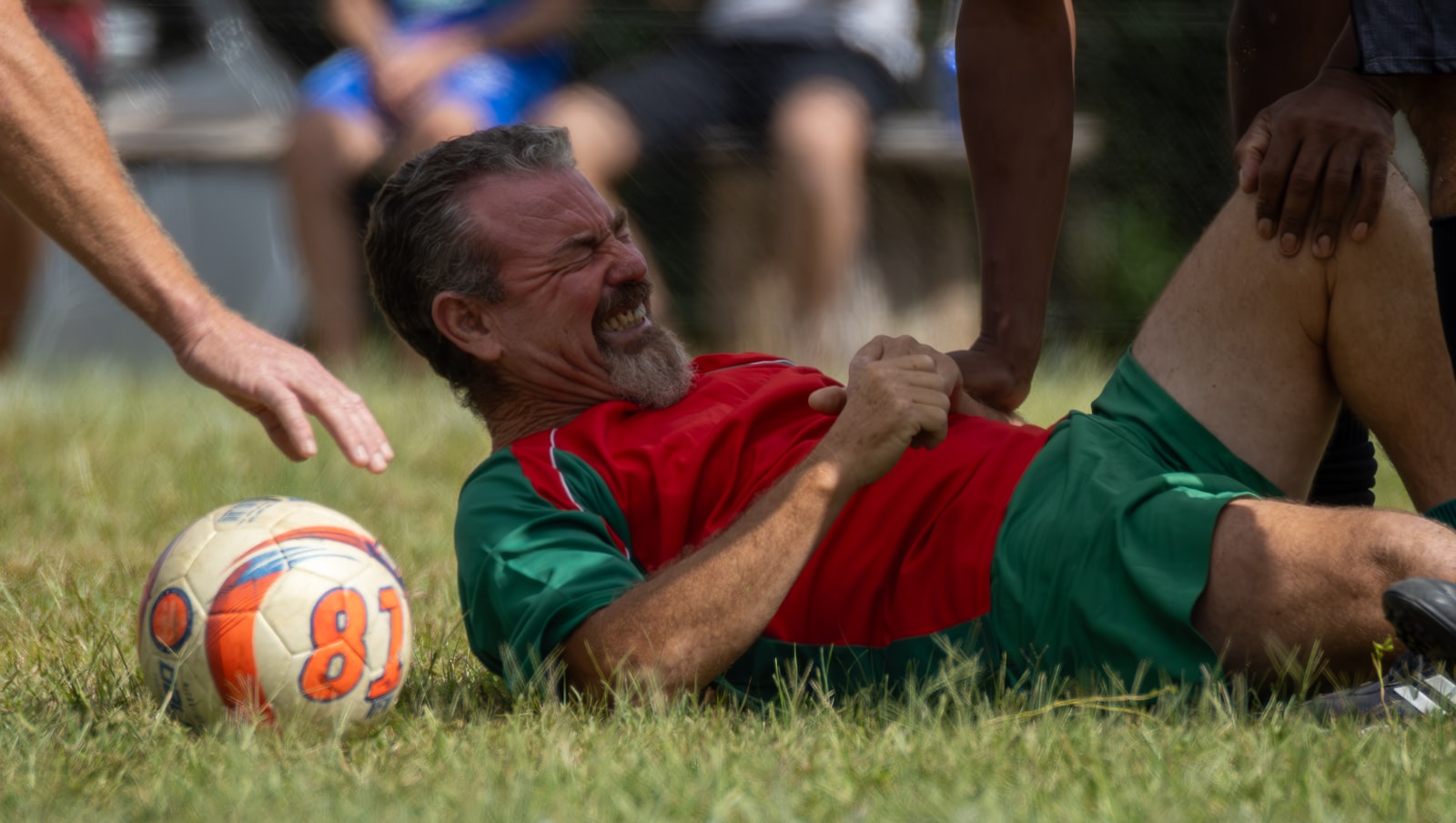

Only one dental emergency is measured in minutes: an adult tooth that has been knocked out completely. Almost everything else, from a cracked tooth to a lost crown, can be made comfortable with simple first aid while you arrange to see a dentist in the next few hours or days. A small number of problems, mainly swelling that affects breathing or swallowing, belong in a hospital emergency department instead.
Written by Dr James Tran, dentist at Lumi Dental.
Go to hospital first for these
Call triple zero (000) or go to the nearest emergency department if there is:
- swelling of the face that is spreading towards the eye or down the neck
- difficulty breathing or swallowing, or trouble opening the mouth
- bleeding that does not slow with firm, continuous pressure
- a possible broken jaw, or any head injury with dizziness, vomiting, confusion or loss of consciousness
A spreading dental infection can, rarely, threaten the airway, and that needs hospital care. For most other dental problems a dentist is better placed than a hospital, because emergency departments can usually offer pain relief and antibiotics but not the dental treatment that removes the cause.
An adult tooth knocked out: move quickly
The cells on the root surface start to die once the tooth is out of the mouth and drying. Getting it back in its socket, or into a suitable liquid, as quickly as possible gives it the best chance. International guidelines from the International Association of Dental Traumatology (Fouad and colleagues, Dental Traumatology, 2020) set out these steps:
- Find the tooth and pick it up by the crown, the white part you chew with. Do not touch the root.
- If it is dirty, rinse it briefly in milk or saline. Do not scrub it or wrap it in tissue.
- If you can, push it gently back into the socket the right way round and bite on a clean cloth or handkerchief to hold it in place.
- If you cannot put it back, keep it in milk or saline, or inside the cheek for an older child or adult who will not swallow it. Avoid water and never let it dry out.
- See a dentist immediately, ideally within 30 minutes.
Baby teeth are different. A knocked-out baby tooth should never be put back, because doing so can damage the adult tooth developing underneath. See a dentist as soon as possible so the area can be checked. Our guide to knocked-out tooth first aid covers this in more detail.
A broken or chipped tooth
Collect any pieces and keep them in milk, as a dentist can sometimes bond a fragment back on. Rinse your mouth with warm water and hold a cold pack against the cheek to limit swelling. If a sharp edge is catching your tongue, cover it with a piece of sugar-free gum or dental wax.
A small chip with no pain can wait a few days for an appointment. A larger break, a tooth that is painful to bite on or to cold, or a break where you can see pink or red in the centre of the tooth needs to be seen sooner, because the nerve may be exposed. Our article on repairing a chipped front tooth explains the usual options.
Toothache and swelling
Throbbing pain that wakes you at night, or lingers long after something hot or cold, usually means the nerve inside the tooth is inflamed or infected. Pain relief helps, but it does not treat the cause. While you arrange to be seen:
- take paracetamol or ibuprofen as directed on the packet, if they are suitable for you; a pharmacist can advise if you are unsure or take other medicines
- rinse with warm salt water and keep the area clean
- avoid very hot, cold or sweet foods on that side
- never hold an aspirin tablet against the gum, as it can burn the tissue
Swelling of the gum or face, a bad taste from pus, fever or feeling unwell suggest the infection is spreading. That warrants a same-day dental visit, and hospital if the swelling affects breathing, swallowing or the eye.

A filling or crown that has come out
This is usually uncomfortable rather than urgent. Keep the crown in a small container, as it can often be cleaned and re-cemented if the tooth underneath is sound. Avoid chewing on that side and keep the area clean. Temporary dental cement from a pharmacy can cover a sensitive tooth for a short time, but do not use household glue. If the tooth is painful or the crown has broken, book in sooner. Our guide to what to do when a crown falls off has more detail.
Cuts to the lip, tongue or cheek
The mouth has a rich blood supply, so small cuts can bleed a lot and look alarming. Rinse gently, then press firmly on the area with clean gauze or a cloth and keep the pressure steady. A cold pack on the outside helps with swelling. If the bleeding does not slow, the cut is deep or gaping, or it goes through the lip, go to a hospital emergency department, as it may need stitches.
A small kit for home and sport
Keeping a few items in the bathroom cupboard or kit bag makes the first few minutes easier: sterile gauze, a small container with a lid, a cold pack, sugar-free gum or dental wax, paracetamol, and your dentist's phone number. For contact sport, a mouthguard is worth wearing; custom-made guards generally fit better and are more comfortable than off-the-shelf ones.
Many emergencies start as small problems. A crack or small cavity found at a check-up is usually simpler to fix than the broken tooth or abscess it can turn into.
Questions people ask in an emergency
Can a knocked-out tooth always be saved?
Not always. The chance is best when the tooth is replanted or stored in milk or saline and seen by a dentist quickly. Even when a tooth is replanted, it needs follow-up over the following months, and some teeth are eventually lost.
What should I do if it happens at night or on a weekend?
Do the first aid above, then call your dental practice; many have a message with after-hours advice. If there are any of the hospital warning signs, go to an emergency department.
How much will an emergency visit cost?
It depends on what is needed. Our emergency dental cost guide explains how fees are usually made up.
If you need to be seen
If you have a dental emergency, call us and describe what has happened. We take urgent and same-day requests where possible, and can advise on first aid while you travel to our practice in Melrose Park. You can also read about our general dental care or contact us. This article is general information and not a substitute for personal dental or medical advice.