
A chipped front tooth happens in a second and ruins your day in less than that. One bite into something hard, one stumble on a tile floor, one elbow at a footy game, and suddenly you can feel a rough edge with your tongue. The good news is that almost every chipped front tooth can be restored to look indistinguishable from the original, often in a single appointment. The harder question is what to do in the first hour, what to do with the broken piece if you can find it, and which of the four common repair options is the right one for the size and depth of your chip. This guide answers all three.
Key Takeaways
- Not every chipped tooth is a true emergency. Small enamel-only chips can usually wait one to three days. Chips that bleed, expose a yellow or pink inner layer, or hurt with cold air need same-day care.
- If you find the broken piece, save it in milk or saliva (not water). A skilled dentist can sometimes re-bond the original fragment for an invisible repair.
- Tooth fragments stored well stay viable for re-bonding for about 24 to 48 hours. Beyond that, the fragment can dehydrate and discolour, but bonding from new composite still gives an excellent result.
- Front teeth repair options range from $150 dental bonding all the way to $2,400 single-tooth implants. The right option depends on how deep the chip is, whether the nerve is involved, and how much enamel is left.
- Composite bonding is the most common repair for a chipped front tooth in Sydney, typically costing $250 to $650 per tooth and lasting five to ten years with care.
- If the chip exposes a pink area in the middle of the tooth, that is the pulp, and the tooth needs treatment within hours to avoid root canal therapy or extraction down the track.
The first hour: what to do right now
The way you handle the first hour after chipping a front tooth has a real effect on how it gets restored. Six simple steps cover the essentials.
Step 1: Find the piece
Look for the broken fragment. If the chip happened in a public place this is not always possible, but if you can find it, your dentist has a fourth treatment option: re-bonding the original fragment back onto the tooth. The colour, translucency, and surface texture of your own enamel cannot be perfectly matched by any composite material, so a fragment re-bond is the highest-quality cosmetic outcome available.
Step 2: Store the piece in milk or saliva
Drop the fragment into a clean container of cold milk if you have any. Milk has the right osmolarity to keep dentinal cells viable. Saliva works almost as well, so a small zip-lock bag held inside your cheek or under your tongue is a reasonable substitute. Avoid tap water because the low salt content dehydrates the inner layer of the tooth fragment and makes the eventual bond weaker.
Step 3: Rinse your mouth with warm water
Gently rinse to clear away any small enamel chips or dust. Spit the rinse into a sink rather than swallowing. A warm rinse is gentler than a cold one if the inner layer of your tooth is exposed.
Step 4: Use a cold compress on the outside of your face
If there is swelling on the lip or cheek, hold a cold compress wrapped in a tea towel against the area for ten minutes on, ten minutes off. This is more important when the chip was caused by an impact that also bruised the soft tissue.
Step 5: Take pain relief if you need it
Paracetamol or ibuprofen at standard adult doses is appropriate for most adults. Avoid placing aspirin directly on the gum, which causes chemical burns. If you have any contraindications to NSAIDs, stick to paracetamol.
Step 6: Call a dentist
Phone your regular dentist or a Sydney clinic that handles same-day appointments. Describe what you can see. Three things determine how urgent your appointment is, and they are covered in the next section.
Is this an emergency? The three-question test
Most chipped front teeth are not true emergencies. About three quarters of the chips we see in general practice are small enamel-only fractures that look alarming because they are visible, but they are not painful and they are not at risk of getting worse overnight. The three questions below sort the genuine emergencies from the cosmetic ones.
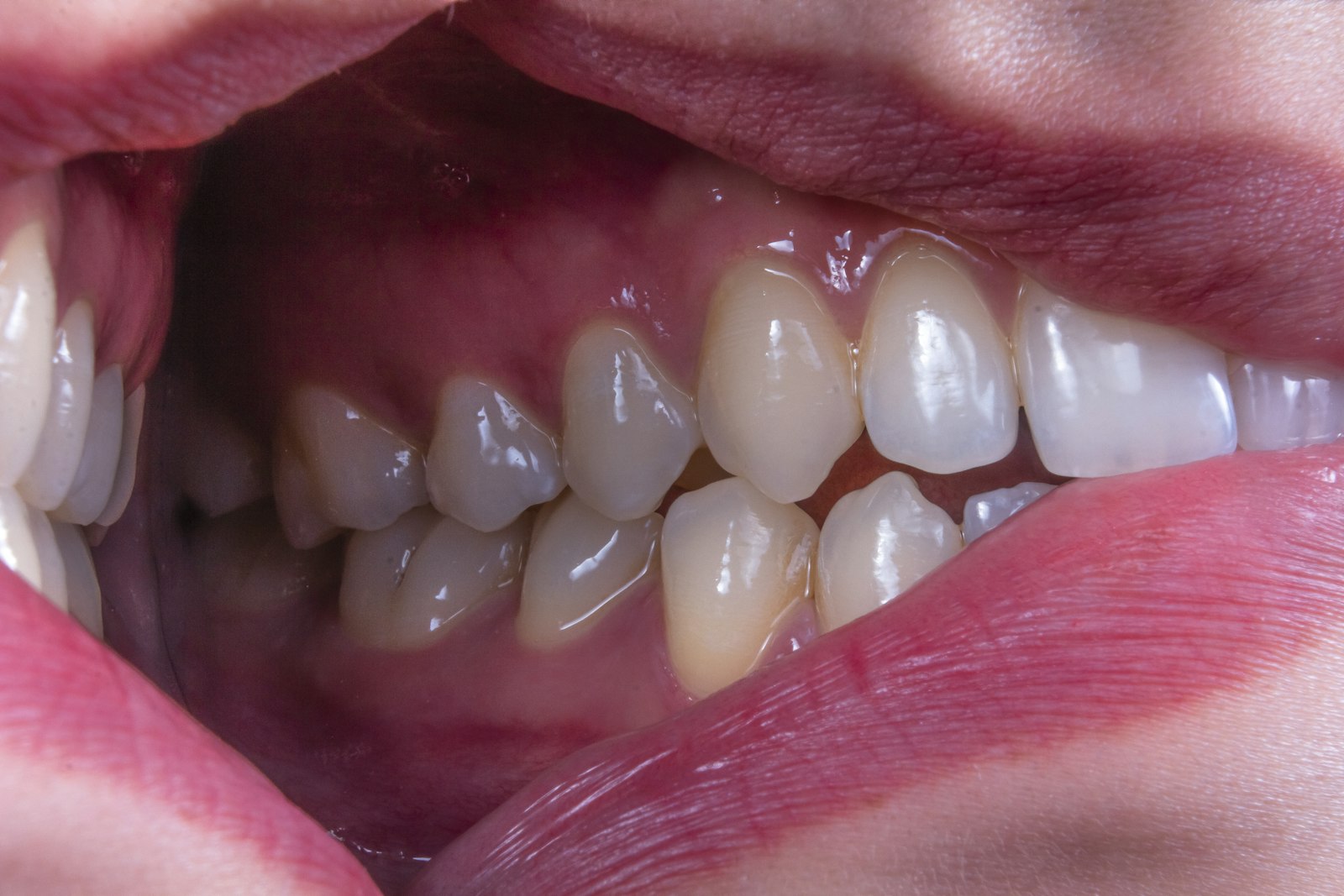
Can you see a yellow or pink layer inside the chip? Enamel is white. Dentine is yellow and is the second layer inward. Pulp is pink or red and contains the nerve. A yellow chip is dentine-deep and benefits from a same-day appointment to seal the dentine and prevent sensitivity. A pink chip is pulp-deep and requires care within hours, not days, because the nerve is now open to bacteria.
Does the tooth hurt when cold air passes over it, or when you bite? A throbbing tooth, a tooth that hurts with cold air or cold water, or a tooth that hurts with biting pressure all suggest the chip is deeper than it looks. These warrant same-day care.
Is the tooth loose or pushed out of position? A chip combined with looseness or displacement means the trauma involved the supporting bone or ligament. This is a luxation injury and is treated in the same time window as a knocked-out tooth.
If you answered no to all three, you have a cosmetic chip. It can wait one to three days for a planned appointment without compromising the outcome. If you answered yes to any of them, ring a clinic today.
The Ellis classification: a useful framework
Dentists categorise tooth fractures using the Ellis classification, which was first described in 1970 and is still the language used in emergency dental care today. The class number tells you which layer of the tooth has been broken and is the single most important piece of information for predicting how the tooth will be treated.
| Ellis class | What is broken | What it looks like | Common treatment |
|---|---|---|---|
| Class 1 | Enamel only | Rough edge, no colour change, no pain | Smoothing or small composite bonding |
| Class 2 | Enamel and dentine | Yellowish patch inside the chip, possible cold sensitivity | Composite bonding or veneer |
| Class 3 | Enamel, dentine and pulp | Pink or red spot inside the chip, often bleeding, often painful | Pulp protection, sometimes root canal, then crown or veneer |
| Class 4 | Crown lost down to root level | Most of the visible tooth is gone | Crown lengthening then crown, or extraction and implant |
| Class 5 | Tooth loose or moved | Tooth shifted in the socket | Splinting, sometimes root canal weeks later |
| Class 6 | Root fractured below gum | Tooth feels mobile, the fracture is not visible | X-ray dependent, often extraction and implant |
Most chips you can self-diagnose at home are Class 1 or Class 2. The trick is recognising the early warning signs of a Class 3, which is the chip that needs immediate care to avoid a root canal.
The four ways a chipped front tooth gets repaired
There are four main repair options for a chipped front tooth, and the right choice depends on three things: how much tooth is missing, how visible the chip is, and how long you want the repair to last. The table below summarises the typical Sydney fee ranges as a starting point. Sydney premiums sit at the upper end of the Australian range across the board.
| Repair option | ADA item codes | Sydney fee range | Time in chair | Lifespan |
|---|---|---|---|---|
| Fragment re-bonding | 521, 526 | $250 to $550 | 30 to 60 minutes | 5 to 10 years |
| Composite bonding | 521, 526, 527 | $250 to $650 | 30 to 90 minutes | 5 to 10 years |
| Porcelain veneer | 556 | $1,800 to $2,800 | Two visits, two weeks apart | 10 to 20 years |
| Full ceramic crown | 615, 618 | $1,800 to $2,800 | Two visits, two weeks apart | 15 to 25 years |
Fragment re-bonding
If you bring in the broken piece and it has been stored in milk or saliva, the dentist etches both the fragment and the remaining tooth with phosphoric acid, applies bonding resin and composite, and lights the join until it hardens. The repair takes about 30 to 60 minutes. Because the bonded piece is your own enamel, the colour, translucency and surface gloss match the rest of the tooth perfectly. The bond strength is roughly 60 to 90 percent of the original tooth, which means you should not bite directly into hard food like ice or hard crusts of bread for a few weeks while the join settles in.
Composite bonding
If the fragment is lost, contaminated or too small, the dentist builds a new piece directly onto the tooth using a tooth-coloured composite resin. The shade is selected from a palette to match the rest of the tooth, the composite is sculpted with hand instruments, then cured with a blue light. A skilled cosmetic dentist can usually finish a single front-tooth chip in under an hour. Composite is conservative because no enamel needs to be removed before the repair, but it does stain over time and may need a touch-up or replacement at the five to ten year mark.
Porcelain veneer
For a larger chip that affects more than a third of the visible tooth, or for chips on patients who also want to address shape or colour issues on the same tooth, a porcelain veneer is the longer-lasting option. The dentist removes a thin layer of enamel from the front of the tooth, takes a scan or impression, and a dental laboratory mills the veneer from a porcelain block. At a second appointment the veneer is bonded to the tooth with the same etch-and-bond chemistry used for composite. Veneers resist staining, hold their gloss for decades, and look extremely natural under different lighting.
Crown
When more than half the visible tooth is missing, or when the chip combines with a deep filling or root canal in the same tooth, a full crown is the appropriate choice. The crown covers the entire visible tooth, restoring the shape and protecting what remains of the natural structure. Modern all-ceramic crowns made from lithium disilicate or monolithic zirconia look as natural as porcelain veneers and last longer.
The decision tree most dentists use
Several factors push the decision from one option to another. A dentist runs through the checklist below at the consultation appointment, and being aware of the logic can help you understand the recommendation.
- How much tooth is missing? Less than a third by volume usually means bonding. A third to a half means bonding or veneer. More than a half usually means veneer or crown.
- Is the nerve exposed? A pulp-exposed tooth often needs pulp protection now and a crown later. The crown is delayed because the tooth needs to settle and the dentist needs to confirm the nerve has not died.
- Are you grinding at night? Heavy bruxism shortens composite bonding lifespan substantially. A night guard recommendation usually accompanies any bonded repair on a bruxer, and a porcelain repair may be a better long-term call.
- What is your timeline? Composite bonding is same-day. Veneers and crowns are two visits roughly two weeks apart.
- How visible is the tooth? Upper central incisors are the most visible teeth in the mouth and tend to attract the higher-quality repair. Lower incisors are less visible and bonding is often the right call.
What to expect at the appointment
A typical first appointment for a chipped front tooth takes 45 to 60 minutes. The dentist will take a focused medical history, examine the chip with a bright light and dental loupes, test the nerve response with a cold spray and a small electrical pulp tester, and usually take a small X-ray to rule out an underlying crack or root fracture. If the chip is Class 1 or 2 and the patient is comfortable proceeding, the repair often happens in the same appointment.
Local anaesthetic is sometimes needed but not always. Enamel has no nerve supply, so a Class 1 chip can usually be bonded without numbing. Class 2 chips with cold sensitivity often benefit from a small amount of local. Class 3 chips with pulp exposure are always anaesthetised.
What chipped teeth are most commonly caused by
Front teeth chip for predictable reasons, and recognising which one applies to you helps inform whether prevention is worth investing in. The Australian Institute of Health and Welfare records dental injuries as a meaningful proportion of ambulance presentations in the under-30 age group, with sport, falls and motor vehicle incidents leading the list.
- Biting something hard. Ice cubes, hard crusts, olive pips, popcorn kernels, frozen lollies, and hard sweets are the most common causes in adults. A tooth weakened by an old filling or a small crack chips far more easily than a healthy tooth.
- Sport without a mouthguard. Footy, rugby, basketball, hockey, soccer headers, and skateboarding all carry meaningful chipped-tooth risk. A custom mouthguard reduces dental injury rates by around 60 to 80 percent compared with no protection.
- Falls. Tiled bathroom floors, stairs, kerbside falls in elderly patients, and learning-to-walk falls in toddlers account for a steady share.
- Motor vehicle and bicycle incidents. Front teeth take the brunt of any face-first deceleration. Helmet use reduces but does not eliminate the risk.
- Bruxism. Night grinding can chip an incisor by repetitively stressing the same edge. The chips often look feathered or stepped rather than clean fractures.
- Using teeth as tools. Opening beer bottles, ripping tape, holding pins, and biting fishing line are the classic adult patterns.
Common mistakes in the first 24 hours
The first day after chipping a front tooth is the easiest time to make things worse, especially with home-care decisions that seem helpful but are not.
Soaking the broken piece in tap water. Tap water in Australia is low in salt and high in chlorine. Both dehydrate dentinal cells and reduce the chance of a successful fragment re-bond. Milk or saliva is the right storage medium.
Trying to file or smooth the edge yourself. A nail file or emery board changes the tooth shape unpredictably and removes enamel that the dentist would have used to anchor the repair. Leave the edge alone.
Putting toothpaste or super glue on the chip. Both contaminate the bonding surface and reduce the strength of the eventual repair. No home product bonds to enamel reliably.
Eating on the tooth. Stick to soft food on the opposite side for the first 24 hours. Crunchy or chewy food on a chipped tooth often turns a small chip into a larger one.
Ignoring cold sensitivity. If the tooth hurts with cold air or cold water, the dentine is exposed and bacteria can reach the pulp. Sensitivity that lasts more than 24 hours is a signal to be seen sooner rather than later.
Cost of prevention versus cost of failure
For patients who chip a front tooth on the playing field or at a high-impact gym session, the cost difference between protection and the eventual repair ladder is meaningful. The table below traces the spend ladder from the cheapest preventive option through to the most expensive failure scenario.
| Action or outcome | Typical Sydney fee | Comment |
|---|---|---|
| Boil-and-bite mouthguard from a pharmacy | $15 to $40 | Some protection, poor fit, often left at home |
| Custom dental mouthguard | $180 to $300 | Fitted at the clinic, lasts 2 to 4 years |
| Composite bonding for a small chip | $250 to $650 | Most common single-tooth repair |
| Porcelain veneer for a larger chip | $1,800 to $2,800 | If bonding is not enough |
| Crown after root canal | $3,500 to $5,500 | If the chip exposed the pulp and the tooth needed endodontic care |
| Single front-tooth implant | $5,500 to $8,000 | If the tooth cannot be saved |
For a junior footy or rugby player, the cost of a custom mouthguard sits at around the same price as a single composite repair and a fraction of the cost of an implant. The maths is hard to argue with for any contact-sport athlete.
What follow-up looks like
After any chipped-tooth repair, your dentist will usually want to see you for a brief review at six to eight weeks and again at six months. The reviews are quick and check three things: that the bond is intact, that the nerve has stayed healthy, and that your bite has not put unusual pressure on the repaired edge. A tooth that chipped because of an underlying bite imbalance often chips again unless the bite is adjusted at the review.
If a chip exposed the nerve and the tooth was treated with pulp protection rather than immediate root canal therapy, the long-term success rate sits around 75 to 85 percent. The tooth is monitored at three-monthly intervals for the first year with periodic vitality testing. If the nerve eventually dies, root canal therapy followed by a crown is the next step, and the tooth still has a strong long-term outlook.
How to prevent the next chip
Most chipped front teeth fall into one of three preventable scenarios. Targeting the one that applies to you is the most efficient way to avoid a repeat.
- If sport was the cause, get a custom mouthguard fitted before your next season. Boil-and-bite guards from a pharmacy fit poorly and tend to be left in the kit bag. Custom guards are worn because they fit. Senior footy and rugby leagues mandate them. Lumi recommends them for every contact-sport player. Read our companion article on sports mouthguards: custom versus boil-and-bite for a full comparison.
- If grinding was the cause, a night guard worn during sleep absorbs the force and prevents the next chip. Patients who chip on a bonded edge usually need both the repair and the guard at the same time. Without the guard, the bond rarely survives the year. See our guide on teeth grinding and night guards for fitting options.
- If hard food was the cause, identify the culprit and change the habit. Ice cubes are the most common single offender among Australian adults. Olive pips and popcorn kernels follow. If your bite is heavy on a particular incisor, an equilibration appointment to gently rebalance the bite can help.
When to choose Lumi Dental
Lumi Dental is a new cosmetic and general dental practice opening at Melrose Park in July 2026. Dr James Tran provides composite bonding, porcelain veneers, and single-visit ceramic crowns for chipped front teeth, with same-day appointments available for genuine emergencies. The clinic offers transparent fixed-fee quotes before any treatment starts, and patients without health insurance receive a clear breakdown of total cost rather than an item-by-item invoice. Members of the Founding 100 patient program receive priority booking for emergency repairs and twenty percent off all cosmetic dentistry, including composite bonding and porcelain veneers, for the first twelve months.
If the chip has affected more than one tooth, our crowns versus veneers comparison guide and smile makeover cost guide walk through how a planned multi-tooth restoration works. For trauma involving a tooth that has been completely dislodged from the socket, see our knocked-out tooth first-aid guide.
Frequently asked questions
Is a chipped tooth a dental emergency?
Most chipped front teeth are not true emergencies. A small enamel-only chip can wait one to three days. A chip that bleeds, exposes a yellow or pink layer inside, or causes cold sensitivity needs same-day care. A chip combined with a loose or displaced tooth is a true emergency and is treated in the same time window as a knocked-out tooth.
How much does it cost to fix a chipped front tooth in Sydney?
Composite bonding to repair a single chipped front tooth typically costs $250 to $650 in Sydney. Porcelain veneers cost $1,800 to $2,800. A full ceramic crown is $1,800 to $2,800. Fragment re-bonding, when the original piece can be saved, sits at the lower end of the bonding range.
Can a dentist reattach the broken piece of my tooth?
Yes, if you find the fragment and store it in milk or saliva, a skilled dentist can often re-bond the original piece onto the tooth using etch-and-bond chemistry. The outcome is the most natural-looking repair available because the colour, translucency and surface gloss of your own enamel are an exact match to the rest of the tooth. Fragments stored well remain viable for re-bonding for around 24 to 48 hours.
How long does composite bonding last on a chipped front tooth?
Composite bonding to a chipped front tooth typically lasts five to ten years before needing repair or replacement. Patients who grind at night, drink large amounts of red wine or coffee, or use their front teeth as tools tend to be at the shorter end of that range. A night guard substantially extends the life of any bonded repair on a bruxer.
Does a chipped tooth need to be filed down by my dentist?
A small Class 1 chip with a rough edge can sometimes be smoothed and polished rather than rebuilt. This is a quick, conservative option that takes around ten minutes and removes the rough feeling without adding any composite. If the chip is visible from a normal speaking distance, most patients prefer to have it rebuilt with bonding for cosmetic reasons.
Will my chipped tooth get worse if I leave it?
A Class 1 enamel-only chip is usually stable and does not get worse, although the rough edge may irritate your tongue or lip. A Class 2 dentine-exposed chip can get worse because bacteria can enter the dentinal tubules and inflame the pulp. A Class 3 pulp-exposed chip will reliably get worse without prompt care and is at risk of becoming a tooth abscess if untreated.
Can I whiten my teeth before having a chip repaired?
Yes, and it can be a good idea. Composite and porcelain do not change colour with whitening, so any restoration matched to your current shade will stay that shade regardless of future whitening. Whitening first, then repairing the chip to the new lighter shade is a common cosmetic sequence that avoids a colour mismatch later.
What if a child chips a front baby tooth?
A chipped baby tooth still benefits from a dental assessment, even though baby teeth fall out naturally. The assessment confirms the chip has not damaged the adult tooth developing in the bone above. Small baby-tooth chips are usually smoothed rather than rebuilt unless they are causing pain or feeding difficulty. The adult tooth above is examined at every check-up until it erupts.
Can I eat normally after composite bonding?
You can eat normally on the same day, although the dentist will recommend avoiding very hard food on the bonded tooth for 24 hours and avoiding deeply coloured drinks like red wine and curry for the first 48 hours to let the composite finish its surface set. After 48 hours, the bond is at full strength.
Is there a Medicare benefit for fixing a chipped tooth in Australia?
Medicare does not generally cover routine dental work in adults. Some children aged 0 to 17 are eligible for the Child Dental Benefits Schedule, which provides up to $1,132 over two years for basic dental services including composite restorations. Adults with private health insurance and extras cover usually receive a partial rebate on bonding, veneers, and crowns depending on their level of cover.
If you have chipped a front tooth and want a transparent quote before any treatment starts, you can book a focused chipped-tooth assessment at Lumi Dental. Founding 100 members receive same-day priority for emergency repairs and 20 percent off all cosmetic restorations during the first 12 months. Visit our new patient offer page for full details.