

Whether microabrasion can clear a white or brown mark depends mostly on one thing: how deep the mark goes. Discolouration confined to the outer skin of the enamel, such as mild fluorosis or some shallow white spots left after braces, can often be polished away in a single visit. Marks that run deeper into the tooth usually need a different approach, so the first step is working out which kind you have.
How the technique removes a mark
Microabrasion uses a paste that combines a mild acid with a very fine abrasive. One of the longest-described methods mixes dilute hydrochloric acid with pumice; commercial pastes use a similar combination. The dentist rubs the paste over the marked area with a slow-turning rubber cup for short periods. The acid softens the outermost enamel and the abrasive lifts it away, taking the surface discolouration with it.
The enamel removed is a very thin layer, but it does not grow back, so the change is permanent. That makes the treatment well suited to stable marks that are clearly superficial, and a poor choice for guessing. Researchers in Brazil, including Sundfeld and colleagues (American Journal of Dentistry, 2007), have described patients followed for many years after microabrasion with stable results, although most of the published evidence consists of case reports and case series rather than large trials (Rocha and colleagues, Restorative Dentistry and Endodontics, 2024).
Marks that tend to respond, and marks that do not
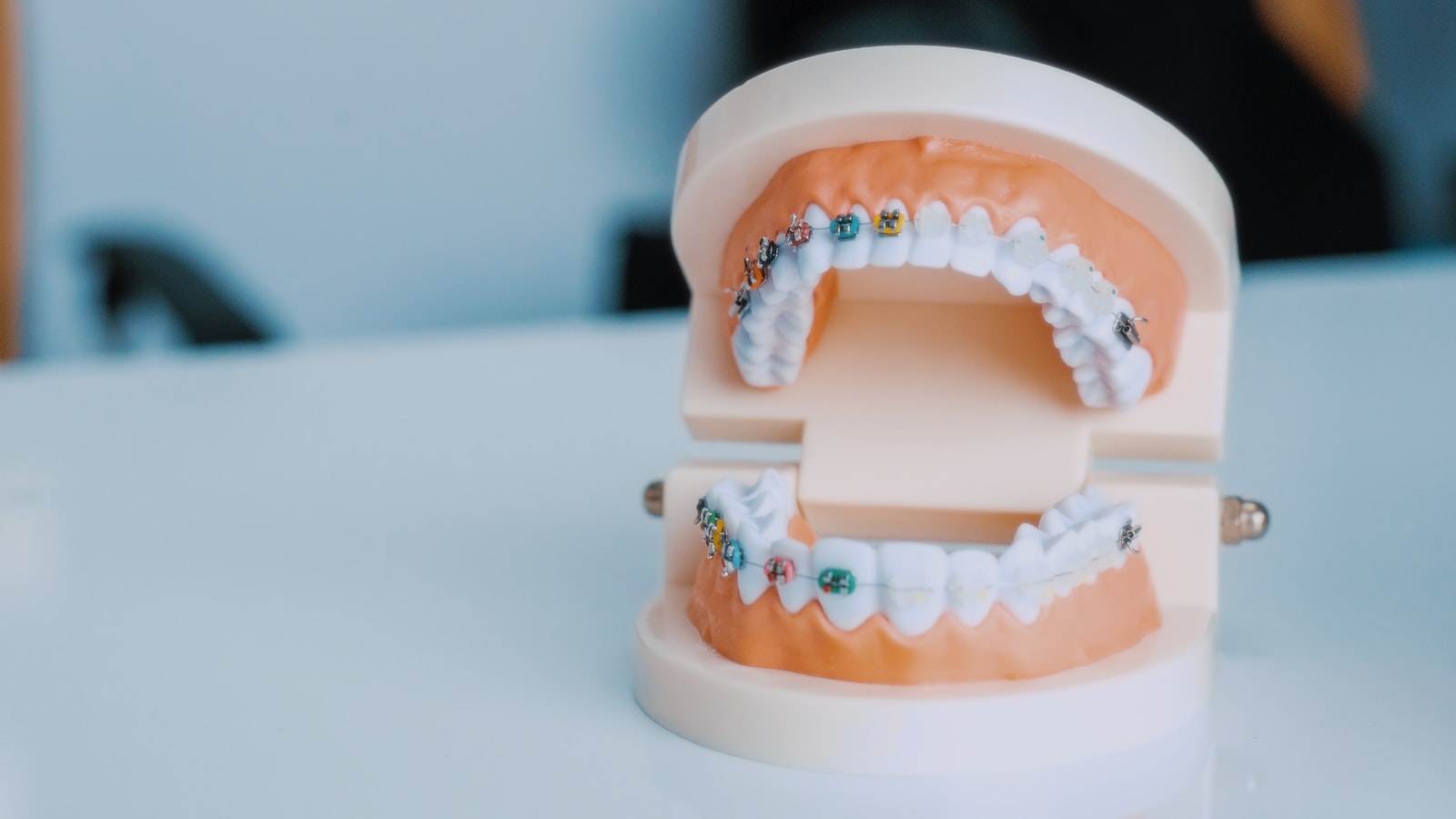
Surface marks often fade well. These include mild fluorosis (the faint white flecks or streaks from extra fluoride while teeth were forming), shallow white spots from plaque sitting around brackets during orthodontic treatment, and some light brown surface staining.
Deeper problems tend to respond poorly. Thick, chalky white patches from enamel hypoplasia or hypomineralisation, brown or yellow marks that extend well into the enamel, and greyness from a tooth injury usually sit too deep. Removing enough enamel to reach them would thin the tooth too much. For these, resin infiltration, bonding or veneers are more likely options.
The cause of the mark also matters. Our article on white spots on teeth explains how the common causes are told apart, which is a good starting point before deciding on treatment.
What the appointment involves
The teeth are cleaned first, and the gums are covered with a protective barrier because the acid must not touch soft tissue. The paste is applied in short rounds, with the tooth rinsed and checked between each one so that no more enamel is removed than needed. Once the mark has faded as far as it will, the surface is polished and fluoride is usually applied.
Most people need no local anaesthetic. Some notice mild sensitivity for a short time afterwards. The result can usually be seen at the same visit.
Microabrasion alongside other options
Microabrasion is the least involved of several ways to deal with spots and stains, and it is often combined with them.
| Option | Usually suited to | Tooth structure removed |
|---|---|---|
| Microabrasion | Shallow white or brown surface marks | A very thin surface layer of enamel |
| Whitening | Overall yellowing; can soften the contrast of some white marks | None |
| Resin infiltration | Some white spot lesions, including after braces | None (the surface is etched, not drilled) |
| Composite bonding | Deeper marks, small chips and minor reshaping | Little or none |
| Porcelain veneers | Widespread or deep discolouration | Some enamel from the front surface |
Pairing microabrasion with whitening is common: microabrasion evens out the patchy area and whitening lifts the overall colour, although no particular shade can be promised. Where a mark is too deep, composite bonding or veneers can cover it. Our comparison of veneers and teeth whitening explains when each makes sense, and minor edge reshaping is covered in our guide to tooth contouring.
Questions about microabrasion
Is it safe for my enamel?
When done carefully on suitable marks, the amount removed is small and is generally considered conservative. Because enamel does not regenerate, it should be used only where the mark is clearly superficial and only as much as needed. If you are worried about enamel more generally, our article on whether whitening damages enamel covers a related question.
Can I buy a kit and do this at home?
No. The acid can burn the gums and the amount of enamel removed has to be controlled. Home stain-removal products are usually abrasive toothpastes, which do not work in the same way.
Will the spots come back?
The discoloured layer that has been removed cannot return. New white spots can still form if plaque sits on the teeth, so brushing with fluoride toothpaste and regular check-ups still matter.
Is it suitable for teenagers?
It can be, particularly for mild fluorosis or marks left after braces, once the teeth have been assessed and the cause of the marks is clear.
Finding out what will work for your marks
At a free cosmetic consult, our dentists can look closely at your spots or stains, explain how deep they appear to be and talk through the options, including whether microabrasion, whitening or bonding is likely to help. You can book a free cosmetic consult at our Melrose Park practice or read about our teeth whitening options.
This article is general information and not a substitute for personalised advice from your dentist.