

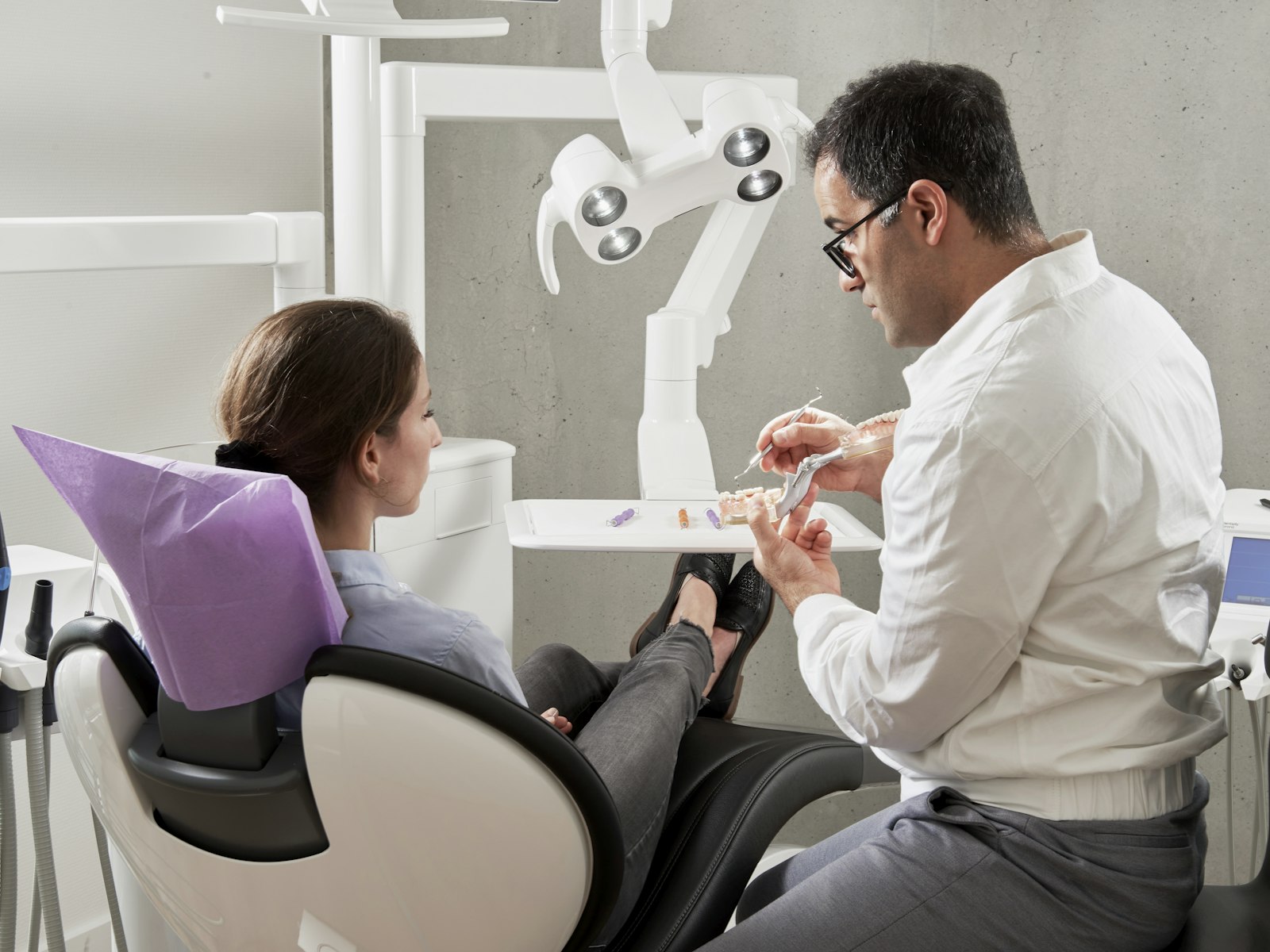

Studies of university students have found daytime teeth clenching, known as awake bruxism, in nearly seven in ten participants, with stress and anxiety consistently identified as the strongest predictors. If your jaw feels tired or sore during exam period, or a study partner has pointed out you grind your teeth while reading, you are describing a genuine and well-studied pattern rather than an odd personal habit. Understanding why exam stress shows up in your jaw, not just your mind, makes it easier to catch early and manage before it affects your teeth.
Key Takeaways
- Research on university and dental students has found awake bruxism rates as high as 69 percent, closely linked to stress and anxiety.
- Long study sessions concentrate muscle tension in the jaw for hours at a time, more than most everyday stressors would.
- Clenching and grinding during study is usually unconscious, meaning most students are unaware of it until symptoms or a partner points it out.
- Jaw soreness, morning headaches and tooth sensitivity during exam periods are common early warning signs.
- Simple awareness techniques and stress management during study can meaningfully reduce clenching, alongside a mouthguard if grinding continues at night.
Why exam periods bring out this specific habit
Stress increases muscle tension throughout the body as part of a normal physiological response, and the jaw is one of the muscle groups that tightens without any conscious decision. During ordinary daily stress, this tension tends to be brief and scattered across the day. Exam and assignment periods are different: long, sustained hours of concentrated focus and pressure, often across consecutive days, give that muscle tension far more time to build than a typical stressful moment would. Research consistently shows psychological factors, anxiety in particular, as the strongest predictor of who develops clenching habits during these periods, more so than any single environmental factor like noise or workload alone.
Signs worth paying attention to
| Sign | What it can indicate |
|---|---|
| Jaw feels tired, tight or sore, especially after long study sessions | Sustained daytime clenching during focused work |
| Morning headaches concentrated around the temples | Possible grinding continuing into sleep after a stressful day |
| Increased tooth sensitivity to hot, cold or sweet | Early enamel wear from repeated clenching or grinding |
| A study partner or housemate mentions hearing grinding | Nighttime bruxism, which often develops alongside daytime clenching during stressful periods |
| Flattened or slightly shorter-looking front teeth over time | Cumulative wear from a longer-standing clenching habit |
What actually helps during high-pressure periods
- Scheduled study breaks. Stepping away every 45 to 60 minutes interrupts sustained jaw tension the same way it helps with general fatigue and concentration.
- Conscious jaw awareness. Periodically checking whether your teeth are touching and consciously relaxing your jaw, lips together, teeth apart, reduces cumulative clenching time across a study session.
- Managing caffeine intake. High caffeine use during exam periods can heighten general muscle tension, including in the jaw, on top of existing stress.
- General stress management. Sleep, exercise and any stress-reduction techniques that work for you also tend to reduce clenching, since the underlying driver is the same physiological stress response.
- A night guard if grinding continues into sleep. If jaw soreness or morning headaches persist through an exam period, a properly fitted guard protects your teeth during the hours you cannot consciously manage.
Not just an exam-week problem
Occasional clenching during a stressful week is unlikely to cause lasting damage on its own. The concern is a pattern that repeats every exam period across a degree, since each round of sustained clenching adds a small amount of cumulative wear. Students who already know they are prone to stress-related clenching benefit from raising it early with a dentist, rather than waiting until visible wear or persistent jaw pain develops. This is a similar pattern to other high-focus activities covered in our guides on jaw clenching during gaming and teeth clenching during weightlifting, where the underlying mechanism, sustained muscle tension under focus or stress, is the same even though the trigger differs.
Common Questions
Is teeth grinding during exams actually common?
Yes. Studies of university and dental students have reported daytime clenching rates as high as 69 percent, with stress and anxiety identified as the main drivers, so it is a well-recognised pattern rather than an unusual one.
Can exam stress cause grinding at night as well as during the day?
Yes, the two often occur together. Someone who clenches during the day under stress may also grind at night, particularly during especially stressful periods like exam week.
Will the wear from a few stressful exam periods actually show on my teeth?
A single stressful week is unlikely to cause noticeable wear on its own. It is the repeated pattern across multiple exam periods over years of study that can gradually add up to visible changes.
Should I get a mouthguard just for exam periods?
If you notice jaw soreness, headaches or grinding specifically during high-stress study periods, it is worth discussing with a dentist. Some students only need protection during particularly demanding periods, while others benefit from more consistent use.
Does reducing caffeine actually make a difference?
It can help. Caffeine can heighten muscle tension generally, and reducing intake during an already stressful period removes one contributing factor, even though stress itself remains the primary driver.
If exam stress has left your jaw feeling tired or sore, or you are noticing changes to your teeth, the team at Lumi Dental can take a look and talk through simple protective options. See current offers or find out more about general dental care at Lumi Dental.
This article is general information and does not replace individual dental advice.

