

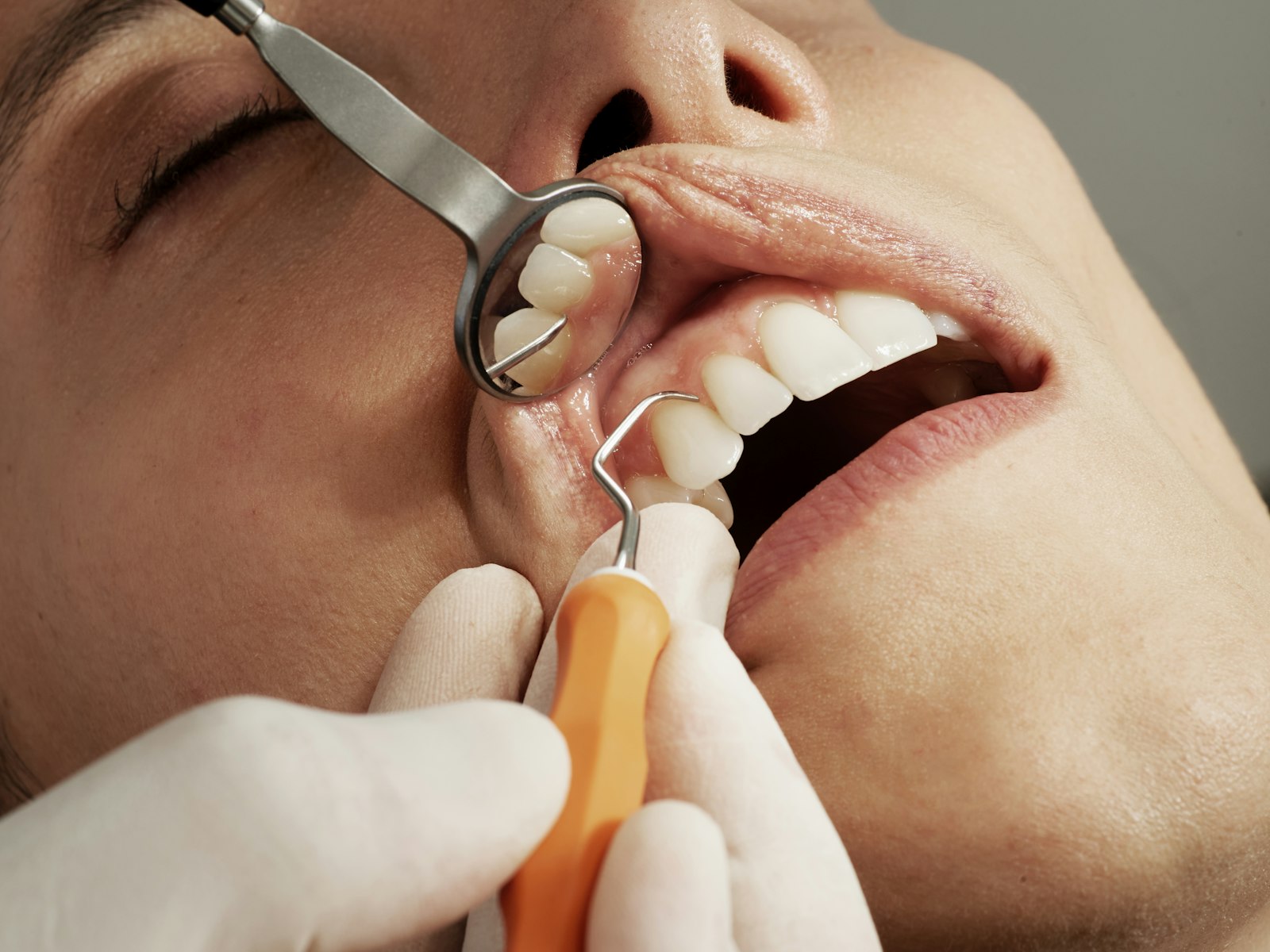

A toothache that starts three days into a two-week swing does not wait for a convenient moment, and for fly-in-fly-out (FIFO) and remote mining workers, that timing problem is often the real issue, not the tooth itself. Rotations of two weeks on and one week off, or similar patterns, mean routine dental care is easy to put off, and a genuine emergency is hard to manage from site. Some remote operations bring in periodic outreach or mobile dental services. Others have no dental provision at all, which leaves a worker choosing between pushing through pain until the next break or arranging an early flight out at real cost to them and to the roster.
Key Takeaways
- FIFO rosters make dental problems disproportionately disruptive because there is no after-hours dentist to visit on site.
- A dental emergency mid-swing can mean an early flight out, lost site access for the rest of the swing, and a gap the crew has to cover.
- Most site dental emergencies started out as something smaller that was left unchecked during the previous break.
- Booking a check-up during every break, not only when something hurts, is the single most effective prevention strategy for FIFO and remote workers.
- Site medics can usually manage pain and swelling for a short period but cannot treat the underlying dental problem.
- Returning to the same Sydney practice each break keeps your records, x-rays and treatment plan continuous instead of starting the assessment over at a different clinic each time.
Why a dental problem hits harder on a FIFO roster
For most people, a nagging tooth means booking an appointment for later in the week. On a remote site, that option usually does not exist. If a filling starts to break down or a wisdom tooth flares up on day four of a fourteen-day swing, there may be genuinely nowhere on site to have it looked at, and the nearest dentist could be hours away by road or only reachable by the same charter flight that brought you in. The practical result is that minor problems are left to develop for longer than they would for someone working a standard week, simply because there is no accessible way to intervene early.
This matters because dental pain rarely improves on its own. A cracked filling can progress to an exposed nerve. A small abscess can spread. What would have been a straightforward filling appointment at home can become a genuine emergency by the time a worker is off site, sometimes requiring root canal treatment or extraction instead of the simpler option that was available earlier.
The access gap on remote sites
Many resources companies do provide some level of health support on site, and larger operations may bring in a mobile dental service or fly-in dental outreach on a periodic basis, sometimes every few months. Smaller or more remote sites often have none of this, relying instead on a site medic or nurse whose scope is limited to first aid and basic pain management. Regional towns near a mine site may have only one or two dental practices, often with long wait lists that do not prioritise a fly-in worker who needs to be seen within a day or two before flying back out.
The upshot is that dental access for FIFO and remote workers is genuinely uneven, and it is worth treating that as a real, practical constraint to plan around rather than something to hope does not become a problem.
Prevention that actually fits a rotating roster
Standard advice to see a dentist twice a year does not map neatly onto a FIFO schedule, and trying to force it can mean appointments keep slipping. A more workable approach is to tie dental care to the roster itself.
- Book your check-up on day one or two of every single break, before other commitments fill the calendar, rather than waiting until something feels wrong.
- Treat any small issue immediately, even something that only bothers you occasionally, since a filling done on a quiet Tuesday during your break is far easier than the same tooth turning into an abscess three days into your next swing.
- Pack a basic dental kit for site, including pain relief your dentist has approved for you, temporary filling material for a lost filling or crown, and a supply of any prescribed mouth rinse, particularly if you already have a known weak spot like a cracked tooth or a loose crown.
- Mention your roster to your dentist so treatment can be sequenced around it. A crown that needs two visits, for example, can be planned across a single break rather than left half finished when you fly out.
- Ask about a night guard if you grind your teeth, since clenching and grinding are common under the fatigue and stress that shift work and long swings can bring, and a properly fitted guard is far easier to manage than dealing with cracked teeth later. We cover the signs and treatment ladder in our guide to bruxism and teeth grinding in adults.
What to actually do if a toothache or dental emergency happens on site
Not every dental problem on site needs an early flight out, and it helps to have a rough sense of what usually can wait and what genuinely cannot.
| What is happening | Usually manageable until your break | Worth escalating or flying out for |
|---|---|---|
| Mild, intermittent tooth sensitivity | Yes, with over-the-counter pain relief and avoiding the trigger (hot, cold, sweet) | If it becomes constant or wakes you at night |
| A chipped tooth with no pain | Yes, avoid chewing on that side and keep the area clean | If the chip exposes a nerve (sharp pain to air or temperature) |
| A lost filling or crown, no pain | Often yes, with temporary filling material and care around the area | If pain develops or food keeps packing into the space |
| Facial swelling | No | Always escalate; swelling from a dental infection can progress quickly and, rarely, become medically serious |
| Throbbing pain that keeps you up at night | No, this usually signals nerve involvement | Needs assessment as soon as it can be arranged, on site or off |
| A knocked-out or badly displaced tooth from an injury | No | Time-critical; seek the nearest available care immediately |
The site medic is a genuinely useful first stop for pain control and to help judge how urgent a problem is, but it is worth being clear-eyed that they are managing symptoms, not treating the tooth. If pain relief is only just keeping things bearable, or swelling is present, that is generally the point where flying out early, or seeing whichever dentist is nearest to site, becomes the sensible option rather than pushing through to the scheduled break.
Building a standing relationship with one Sydney practice
One of the more overlooked parts of FIFO dental care is continuity. Workers who see a different dentist every time they happen to be in a different town, or who only go in when something hurts, end up with a scattered record. Every visit starts from zero: a new dentist has no history of your teeth, no baseline x-rays to compare against, and no sense of which teeth you have already flagged as a concern.
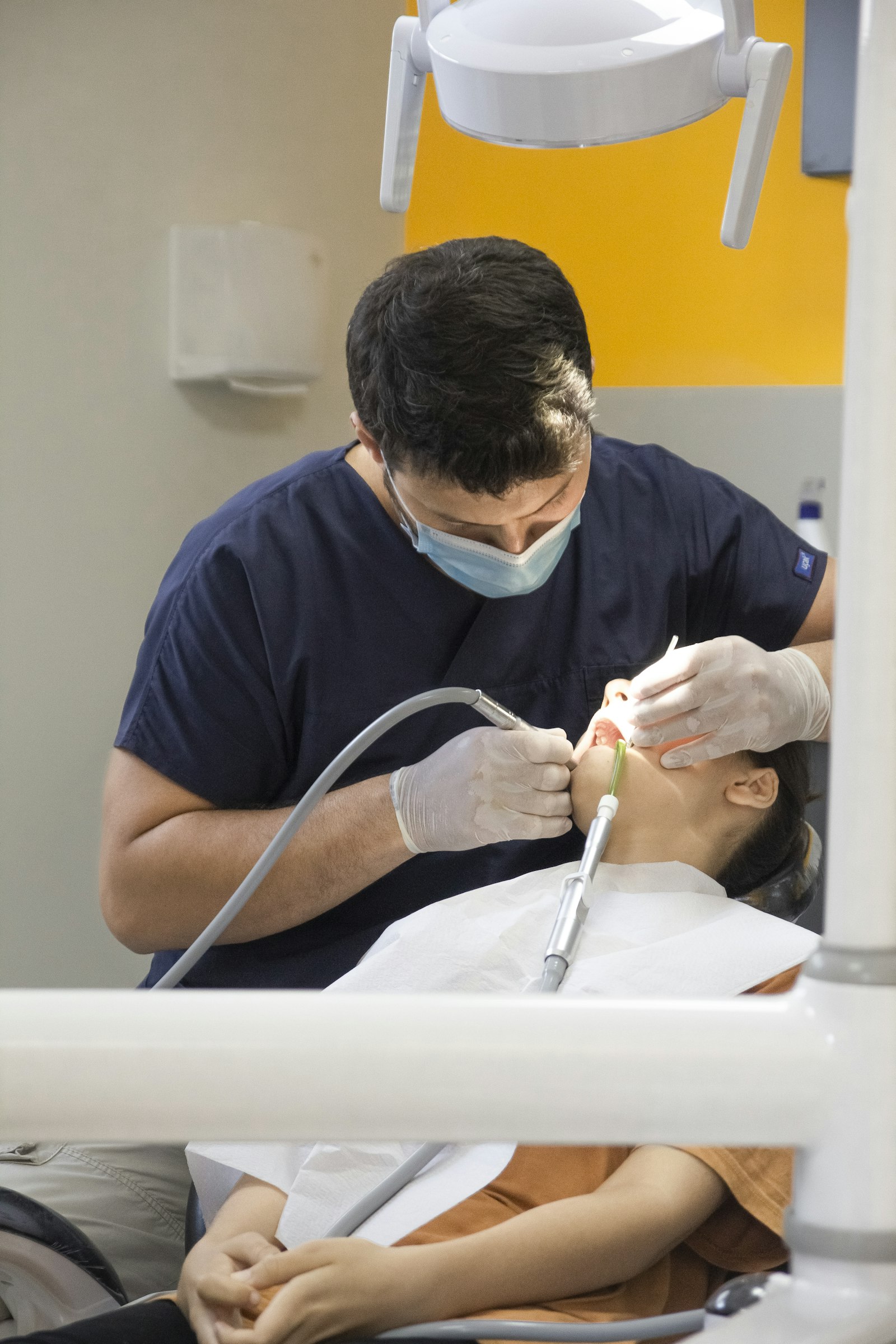
Choosing one Sydney-based practice you return to on every rostered break changes this. A dentist who has seen you three or four times already knows which molar has a hairline crack being monitored, has your x-rays on file to compare year on year, and can plan treatment across your rosters rather than treating each visit as a one-off. It also means less time spent explaining your history and more time actually getting treatment done in the limited window of a break.
Frequently Asked Questions
How often should FIFO workers see a dentist?
Aim for a check-up at the start of every break if possible, or at minimum every second break. Because access is limited while on site, catching small problems early during time off matters more for FIFO workers than for people with easy access to weekday appointments.
What should I do if I get a toothache on a remote site with no dentist?
Start with the site medic for pain management and to check for signs like swelling that need urgent escalation. Use approved pain relief, avoid the trigger if you can identify one, and if pain is severe, constant, or accompanied by swelling, discuss flying out early rather than waiting for your rostered break.
Can a dental emergency mean I lose site access?
Some sites have policies requiring workers with an active dental infection or unresolved emergency to be assessed off site before returning, since untreated infection can affect fitness for work. Policies vary between operators, so it is worth knowing your own site's approach.
Is it worth carrying a dental first aid kit on site?
Yes. A small kit with temporary filling material, approved pain relief, and contact details for your regular dentist can bridge the gap between a problem starting and being able to see someone.
Do mobile dental services visit mining camps regularly?
Some larger operations arrange periodic mobile or outreach dental visits, but this varies significantly by company and location, and many smaller or more remote sites have no scheduled dental service at all.
Why does seeing the same dentist every break matter if I am only there for a day or two?
Continuity means less time repeating your history and more time on actual treatment, plus a dentist who already knows your mouth is better placed to catch a small problem before it becomes an emergency between swings.
If you are on a FIFO or remote roster and want a dental home base you can return to on every break, the team at Lumi Dental can work with your schedule. See our current deals for new patient options, or find out more about general dentistry at Melrose Park.

