A gum graft is a small surgical procedure that adds gum tissue where the gum has shrunk back, covering an exposed root or thickening thin gum so it is less likely to recede further. The fee depends mainly on how many teeth are treated and which technique is used, and the recovery is usually more about a sore palate and a soft diet for a week or so than about real pain. How well it holds up over the years depends largely on whether the cause of the recession is dealt with.
Written by Dr James Tran, dentist at Lumi Dental.
Not every receding gum needs a graft
Recession exposes the root of the tooth, which has no enamel covering. That is why the first sign is often sensitivity to cold, covered in our article on sensitive teeth, or a notch near the gum line. Exposed roots are also more prone to decay and wear.
Mild recession that is stable and causes no symptoms can often be watched, with measurements at each check-up. A graft is more likely to be suggested when the recession is getting worse, when the root is sensitive or at risk of decay, when there is very little firm gum left around the tooth, or when the look of the longer tooth bothers you.
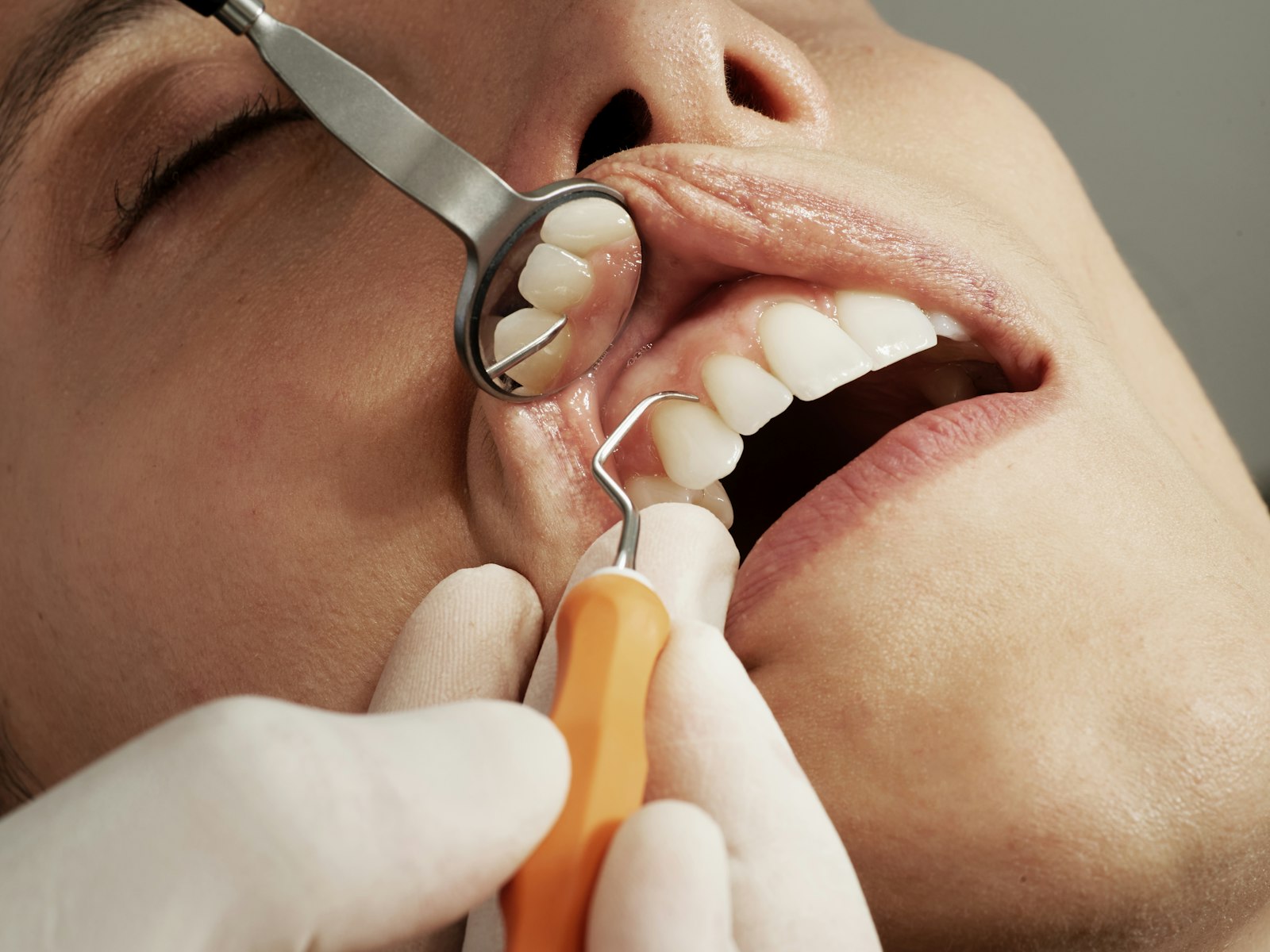
Find the cause before fixing the gum
A graft repairs the damage but does nothing about why it happened. Brushing too hard, gum disease, a naturally thin gum type, teeth positioned toward the outside of the bone and tooth grinding can all play a part. If the cause is still active, the new tissue is exposed to the same forces. That is why the assessment starts with the reasons for the recession, which our guide to gum recession causes and treatment goes through.
The three techniques you are most likely to hear about
| Technique | What is done | Typically chosen for |
|---|---|---|
| Connective tissue graft | A small piece of tissue from beneath the surface of the palate is placed over the exposed root and covered by the surrounding gum | Covering exposed roots on one or several teeth |
| Free gingival graft | A thin strip of surface tissue from the palate is placed where the gum is thin | Building up the band of firm gum, often around lower front teeth |
| Tunnel or pinhole style techniques | The existing gum is loosened through small openings and moved over the root, sometimes with a graft or graft substitute placed underneath | Suitable cases where less cutting of the gum is preferred |
Donor tissue does not always have to come from your palate. Processed tissue substitutes are sometimes used instead, which avoids a second surgical site, though they are not suitable for every case.
What the evidence says about results
The most thorough summary is a Cochrane review by Chambrone and colleagues, updated in 2018, which pooled 48 randomised trials of root coverage procedures. It found that several techniques can cover exposed roots, and that where the aim is both to cover the root and to increase the band of firm gum, connective tissue grafts gave a slightly better result than the alternatives. There was weak evidence that some tissue substitutes gave results close to a connective tissue graft. The reviewers noted that much of the evidence was of low quality.
Results vary with the shape and depth of the recession, how much bone remains between the teeth, smoking and how carefully the area is looked after. Your dentist or periodontist can tell you what is realistic for your teeth before you decide.
What drives the cost
Gum grafting is priced per procedure, so the fee depends on:
- how many teeth or sites are treated, since neighbouring teeth can often be grafted in the same appointment
- the technique, and if your own tissue or a processed substitute is used
- whether a periodontist (a registered specialist in gums) or a general dentist with experience in gum surgery carries it out
- any treatment needed first, such as a gum disease clean or a night guard
We have not quoted a general dollar range here because we could not find a reliable published Australian figure, and fees differ widely between cases. After an assessment, you will usually receive a written treatment plan with item numbers and fees, often by email, so you can check your health fund rebate. Gum grafts are usually classed as major dental, so extras cover generally depends on your level of cover, annual limits and waiting periods. Our guide to dental health insurance in Australia explains how this usually works.
Recovery: what most people notice
The palate is often the sorer spot
If tissue is taken from the roof of your mouth, that area tends to be more tender than the grafted tooth for the first few days. A protective plate or dressing is sometimes provided. Pain relief recommended by your dentist usually keeps it manageable, and swelling tends to settle within the first week.
Eating and talking
Soft, cool foods are easiest at first. Chew away from the graft, and avoid very hot, spicy, crunchy or sharp foods until your dentist says otherwise. If you can, plan a quieter day or two after the procedure.
Cleaning around the graft
You will be asked not to brush directly over the graft for a period, often a week or two, while it attaches. Keep brushing the rest of your mouth normally, and use any mouth rinse exactly as instructed. Do not pull your lip out to look at the area, as this can disturb the healing tissue.
The following weeks and months
The graft gradually blends in with the surrounding gum. Your dentist will review it and tell you when to return to gentle brushing over the area. Sensitivity often improves once the root is covered.
Call your dentist if bleeding does not stop with gentle pressure, if swelling or pain gets worse after the first few days, or if you have a fever.
Looking after the result
Use a soft toothbrush with light pressure, and ask your dentist or OHT to check your technique. Keep up regular cleans; our scale and clean guide covers what is involved. If you grind or clench, a night guard can reduce the forces on your teeth. Treat bleeding gums promptly, as explained in our article on bleeding gums, and avoid smoking.
Questions about gum grafts
Does it hurt?
The area is numbed with local anaesthetic during the procedure. Afterwards, most discomfort comes from the donor site on the palate and tends to ease over several days.
How long does a graft last?
When the cause of the recession is controlled, a graft can remain stable for many years. Hard brushing, untreated gum disease and smoking are the main threats.
Can I avoid a graft?
Often, if the recession is mild and stable. Gentle brushing, treatment of gum disease and regular monitoring may be all that is needed. Your dentist can tell you which applies to you.
If receding gums are bothering you, our team at Lumi Dental in Melrose Park can assess the area, look at the cause and talk through whether a graft, a referral or simple monitoring is the better path. Read more about our general dental care or see current offers on the deals page. This article is general information and not a substitute for personal dental advice.