Many people with receding gums never need surgery. If the recession is mild, stable and not causing trouble, fixing the cause and keeping an eye on it is often enough. A gum graft comes into the picture when the gum keeps pulling back, the exposed root is sensitive or decaying, or there is so little firm gum left that the tooth is at risk. In those cases a graft is the usual way to put protective tissue back over the root.

What an exposed root means for the tooth
The crown of a tooth is covered in enamel, but the root is covered only by a thin layer of cementum and, beneath it, dentine. When the gum recedes and uncovers the root, that softer surface is open to the mouth. It can react sharply to cold, wear away with brushing, and decay more readily than enamel. The tooth may also look longer than its neighbours, and a small notch can form near the gum line. Our guide to sensitive teeth explains why exposed roots hurt.
Receded gum does not grow back on its own. Gentle brushing and good gum health can stop it getting worse, but restoring coverage once it is lost needs a surgical procedure.
Signs that point toward a graft
Your dentist or a periodontist will weigh several things together:
- the recession has measurably increased between visits
- sensitivity from the root is affecting eating and drinking
- the root surface shows early decay or wear
- only a very thin band of firm gum is left around the tooth
- orthodontic treatment or a restoration is planned on a tooth with thin gum
- the length of the tooth in your smile bothers you
Before any of this, the reason for the recession needs to be found. Brushing hard or with a stiff brush, gum disease, grinding and clenching, a naturally thin gum type and the position of a tooth in the bone are the usual contributors. Our article on receding gums covers each of them, and our gum recession guide looks at treatment options more broadly.
Four ways tissue can be moved or added
The techniques differ mainly in where the new tissue comes from.
Connective tissue graft
A small piece of tissue is taken from beneath the surface layer of the palate and tucked over the exposed root, then covered by the surrounding gum. It is the most widely used method for covering roots, and a 2018 Cochrane review (Chambrone and colleagues, 48 trials) found it gave slightly better results than other techniques when both root coverage and more firm gum were the goal.
Free gingival graft
A thin layer of surface tissue from the palate is placed where the gum is thin. It is mainly used to thicken the gum and widen the band of firm tissue, rather than to achieve full root coverage.
Pedicle or lateral graft
Gum next to the receded area is partly freed and rotated or slid across to cover the root, so it keeps its own blood supply. This only works where there is plenty of healthy gum beside the tooth.
Tissue substitutes
Processed donor tissue or other substitute materials can be used instead of tissue from your palate, which avoids a second sore spot. The Cochrane review found weak evidence that one type of substitute performs close to a connective tissue graft, so the choice depends on your case and preferences.
On the day and afterwards
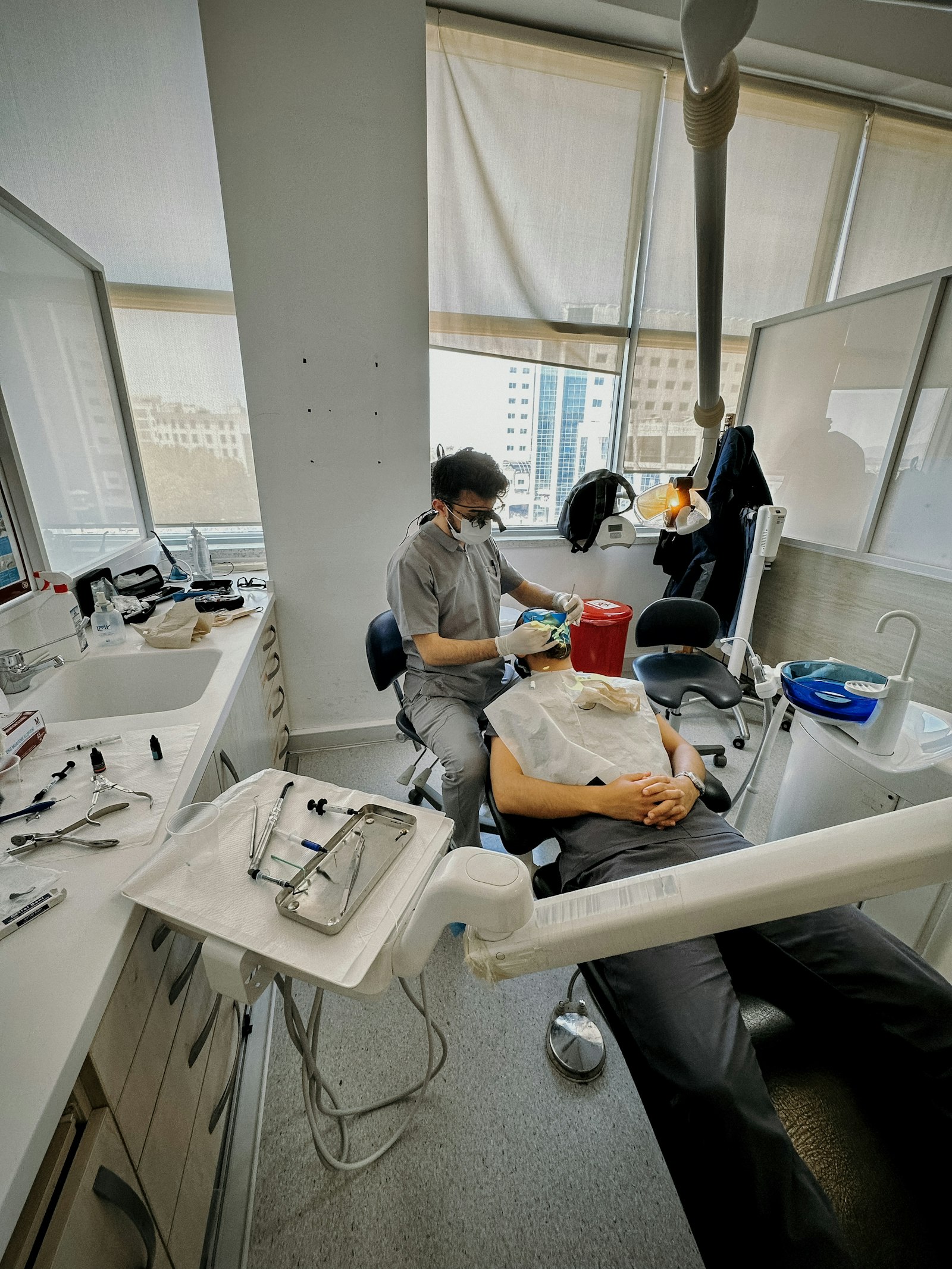
A graft is done in the chair under local anaesthetic, so you are awake but the area is numb. The tissue is stitched in place over the root. If it comes from your palate, that area is protected with a dressing or a thin plate in some cases.
The first few days are usually the most tender, and the palate is often sorer than the grafted tooth. Pain relief recommended by your dentist usually manages it. For a week or two you will avoid brushing over the graft, eat soft foods on the other side, and use any rinse exactly as instructed. The tissue keeps maturing for several weeks to a few months before the final appearance settles.
Keeping the gum from receding again
A graft fixes the damage, not the cause, so the habits that led to the recession need to change. A soft brush with gentle pressure, or an electric brush with a pressure sensor, protects the gum line; our comparison of electric and manual toothbrushes has more on this. A night guard can reduce the load from grinding. Gum disease needs to be treated and kept under control with regular cleans, as our gum disease guide and our article on the stages of gum disease explain.
How the cost is worked out
Fees depend on the number of teeth or sites, the technique, the use of your own tissue or a substitute, and who performs the surgery. Treating several neighbouring teeth together is usually more efficient than treating them one at a time. We have not given a dollar range because we could not confirm a reliable published Australian figure. After an assessment you will usually receive a written, itemised treatment plan, often by email, which you can use to check your health fund rebate. You can see current options on our pricing page or book a consult.
Common questions
Will the gum recede again after a graft?
It is less likely if the cause is dealt with. Continued hard brushing, untreated grinding or active gum disease can lead to new recession.
Can I manage sensitivity without surgery?
Often, yes. Desensitising toothpaste and in-chair treatments can reduce sensitivity from an exposed root. They do not restore the gum, so they suit recession that is stable.
Who does gum grafts?
Periodontists, who are registered specialists in gum treatment, carry out many grafts. Some general dentists with additional training also perform them. Our general dentist team can assess your recession and advise whether a graft or a referral may suit you.
Receding gums are common and not always a cause for concern. When they do progress, a graft is a well-established way to restore protective tissue, and dealing with the cause gives it the best chance of lasting.