


The Herbst appliance is a fixed orthodontic device used to correct a large overbite, where the upper teeth and jaw sit well ahead of the lower. It works by gently holding the lower jaw in a forward position while a child or teenager is still growing, encouraging the bite to come together more evenly. It is one of the better-known functional appliances, and unlike a removable plate it is fixed in place, so it works around the clock without relying on a child remembering to wear it.
Key takeaways
- The Herbst appliance corrects a Class II bite, where the lower jaw sits too far back, by holding it gently forward during growth.
- It is fixed to the teeth, so it works full time and does not depend on a child wearing it as instructed.
- Timing matters most: it works best around or just after the pubertal growth spurt, so early assessment is important.
- It usually runs for around 6 to 12 months, then is often followed by braces or aligners to finish the bite.
- Much of the correction is dental and dento-alveolar; the long-term skeletal change is real but generally modest.
The one thing that decides success: timing it with growth
The single most important factor with the Herbst, and any functional appliance, is timing. It harnesses a child growth, so it is most effective when used around or just after the peak of the pubertal growth spurt. Used in a younger, pre-pubertal child or in an adult who has stopped growing, the jaw effect is far smaller. This is exactly why orthodontists recommend a first assessment around age 7 to flag a developing overbite early and plan the right window, even if treatment itself comes later.
How the Herbst appliance works
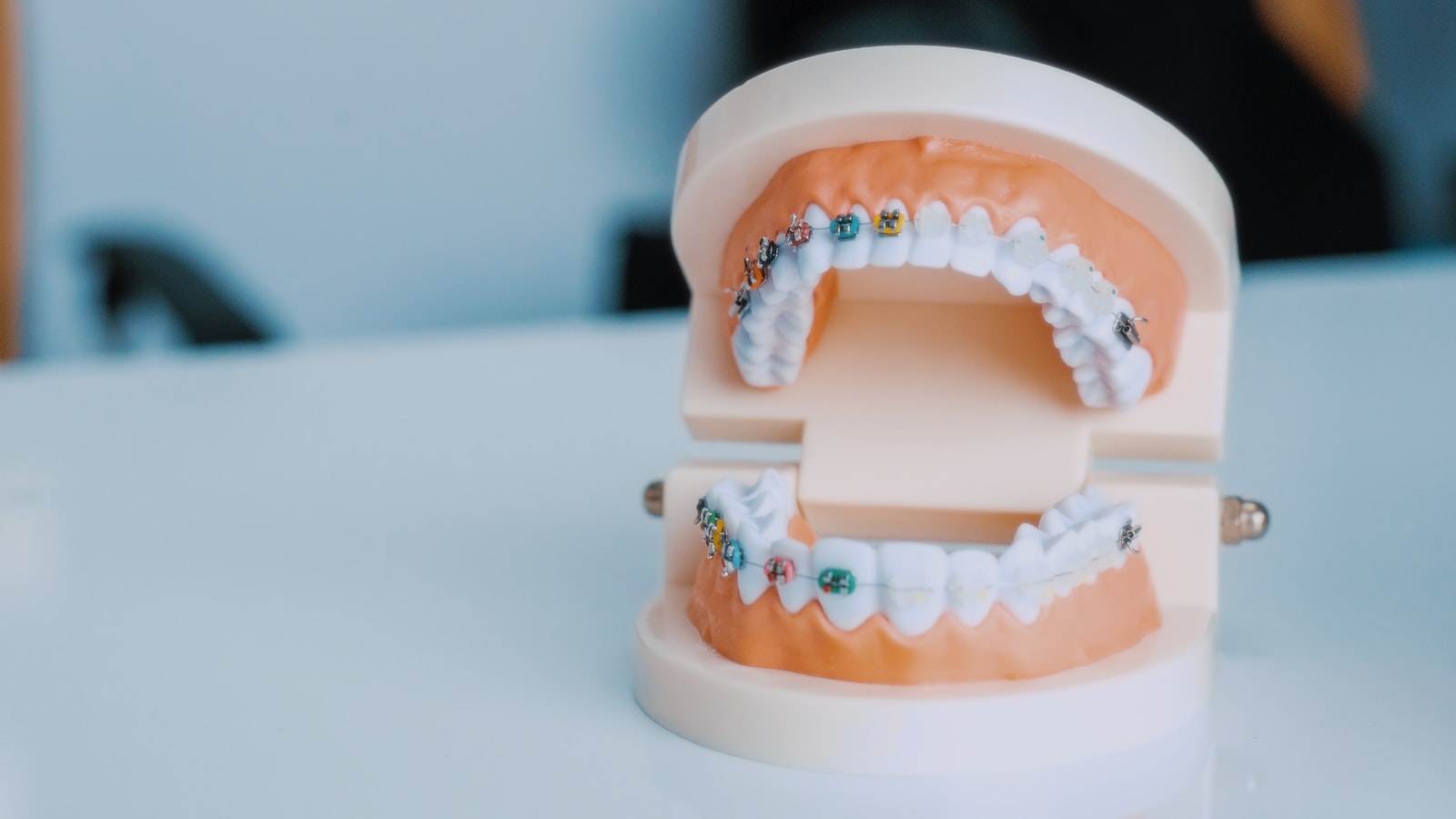
The appliance is made of metal frameworks cemented to the upper and lower teeth, usually to bands on the back molars, connected by a small telescopic arm on each side. These arms hold the lower jaw in a slightly forward position. Because it is fixed and continuous, the lower jaw is gently encouraged forward all day and night. The effect is a mix of forward movement of the lower teeth and jaw, backward and upward influence on the upper teeth, and a reduction in the overjet (the horizontal gap between upper and lower front teeth).
What to expect during treatment
Getting used to it
The first one to two weeks are the adjustment period. Speech can feel different, eating takes practice, and the jaw and teeth may feel tender, similar to starting braces. Most children adapt quickly.
Daily life
Because it is fixed, there is nothing to take out, but hard and sticky foods should be avoided so the arms do not bend or detach. Good brushing around the bands is important. Occasional visits keep the appliance adjusted and check progress.
How long it takes
The Herbst phase commonly runs around 6 to 12 months. It is usually one part of a two-stage plan, with braces or aligners afterwards to align the teeth and settle the bite. The article on twin block appliances covers a removable alternative that works on the same principle.
Herbst vs other options
The Herbst is fixed, which is its main advantage over a removable twin block that depends on wear-time compliance. Compared with later jaw surgery, it produces a smaller skeletal change, so it is not a substitute for surgery in severe adult cases. For many growing children with a moderate overbite, though, it offers a reliable, compliance-free way to improve the bite during the growth window. Your orthodontist will weigh the severity, your child age and growth, and how well a removable appliance is likely to be worn.
The cost angle
The Herbst is usually costed as part of a full orthodontic treatment plan rather than on its own, and the total depends on whether braces or aligners follow. As a general market guide only, functional appliance and two-phase orthodontic treatment in Australia can range widely into the several thousands of dollars overall. These are general ranges, not a quote, and the team at Lumi Dental does not list its own prices here. For current pricing see our current deals page or ask for a written quote.
Frequently asked questions
What does the Herbst appliance treat?
It treats a Class II overbite, where the lower jaw sits too far back relative to the upper, by gently guiding the lower jaw forward during growth.
Does the Herbst appliance hurt?
There is tenderness for the first week or two as the teeth and jaw adjust, similar to new braces, then it settles. It is not generally painful after that.
How long do you wear a Herbst appliance?
Usually around 6 to 12 months, after which braces or aligners often follow to finish aligning the teeth and bite.
Can adults have a Herbst appliance?
The jaw-growth effect needs active growth, so the skeletal benefit is much smaller in adults. Adults with a significant skeletal overbite are usually offered other options.
Is it better than a twin block?
Neither is simply better. The Herbst is fixed and works full time, while a twin block is removable and relies on being worn. The choice depends on the case and the child.
If your child has a developing overbite, the team at Lumi Dental in Melrose Park can assess the bite and the right timing. Related reading: overbite, underbite and crossbite, early orthodontic treatment, what to expect with braces, and twin block appliances.

