



The mouth has long been one of the first places HIV makes itself known. Oral signs such as thrush and a white patch on the side of the tongue were among the earliest recognised features of the infection, and they remain useful clues today. The picture has changed a great deal with effective antiretroviral therapy, which has lowered the rate of many HIV-related mouth conditions, but oral health still matters for anyone living with HIV. This guide explains the common signs, what they mean, and how to keep your mouth healthy.
Key takeaways
- Oral conditions such as candidiasis (thrush) and oral hairy leukoplakia are among the most common mouth signs linked to HIV.
- Effective antiretroviral therapy has reduced the frequency of many HIV-related oral conditions, especially those tied to a low immune cell count.
- A new or recurring oral thrush can sometimes be the first hint of immune suppression, so it is always worth investigating.
- Dry mouth and gum problems are common and raise the risk of decay, so prevention matters.
- Routine dental care is safe and important; tell your dental team so care can be tailored, and any concern can be checked early.
Why the mouth reflects the immune system
The lining of the mouth is busy and exposed, and it depends on a working immune system to keep naturally present microbes in balance. When immune defences are lowered, that balance tips, and organisms that normally cause no trouble can flare. This is why several mouth conditions became recognised markers of HIV. It is also why, with modern treatment that restores immune function, many of those same conditions have become much less common.

Common oral signs associated with HIV
Oral candidiasis (thrush)
Thrush is the most common oral condition linked to HIV. In pooled studies its prevalence has been reported at around 35 percent, making it the single most frequent oral sign. It can appear as creamy white patches that wipe off to leave a red base, as smooth red areas, or as cracking at the corners of the mouth. A new or recurring thrush without an obvious cause is worth discussing with a doctor. Our detailed guide to oral thrush in adults covers the signs and treatment.
Oral hairy leukoplakia
This is a white, often corrugated patch, usually on the side of the tongue, that cannot be wiped off. Reported in roughly 12 percent of cases in pooled data, it is caused by the Epstein-Barr virus and is essentially harmless in itself, but it can be a marker of immune status. It differs from other white patches such as leukoplakia and erythroplakia, which have their own significance and should be assessed.
Gum and periodontal conditions
HIV is associated with specific gum problems, including a band of redness along the gum line and, less commonly, rapidly progressing and painful gum and bone destruction. Everyday gum disease is common too. Keeping plaque under control is the foundation, and our guides to bleeding gums and deep cleaning explain how gum disease is managed.
Kaposi sarcoma and other lesions
Kaposi sarcoma, a purple or red lesion sometimes seen on the palate or gums, was reported in around 5 percent of cases in pooled studies and has become much less common with effective treatment. Mouth ulcers, dry mouth and salivary gland swelling can also occur. Any patch, lump or ulcer that lasts more than two weeks should be checked, which is the same rule we use for oral cancer screening.
How modern treatment has changed the picture
With effective antiretroviral therapy, the immune system recovers, and the conditions most closely tied to a low immune cell count, such as thrush, hairy leukoplakia and Kaposi sarcoma, have all become less frequent. The mouth still deserves attention, partly because some oral signs can flag when treatment is not fully effective, and partly because dry mouth, gum disease and decay remain common and very manageable. Good oral health is part of overall health, not separate from it, much like the links we describe between gum disease and conditions such as rheumatoid arthritis and chronic kidney disease.
Looking after your mouth
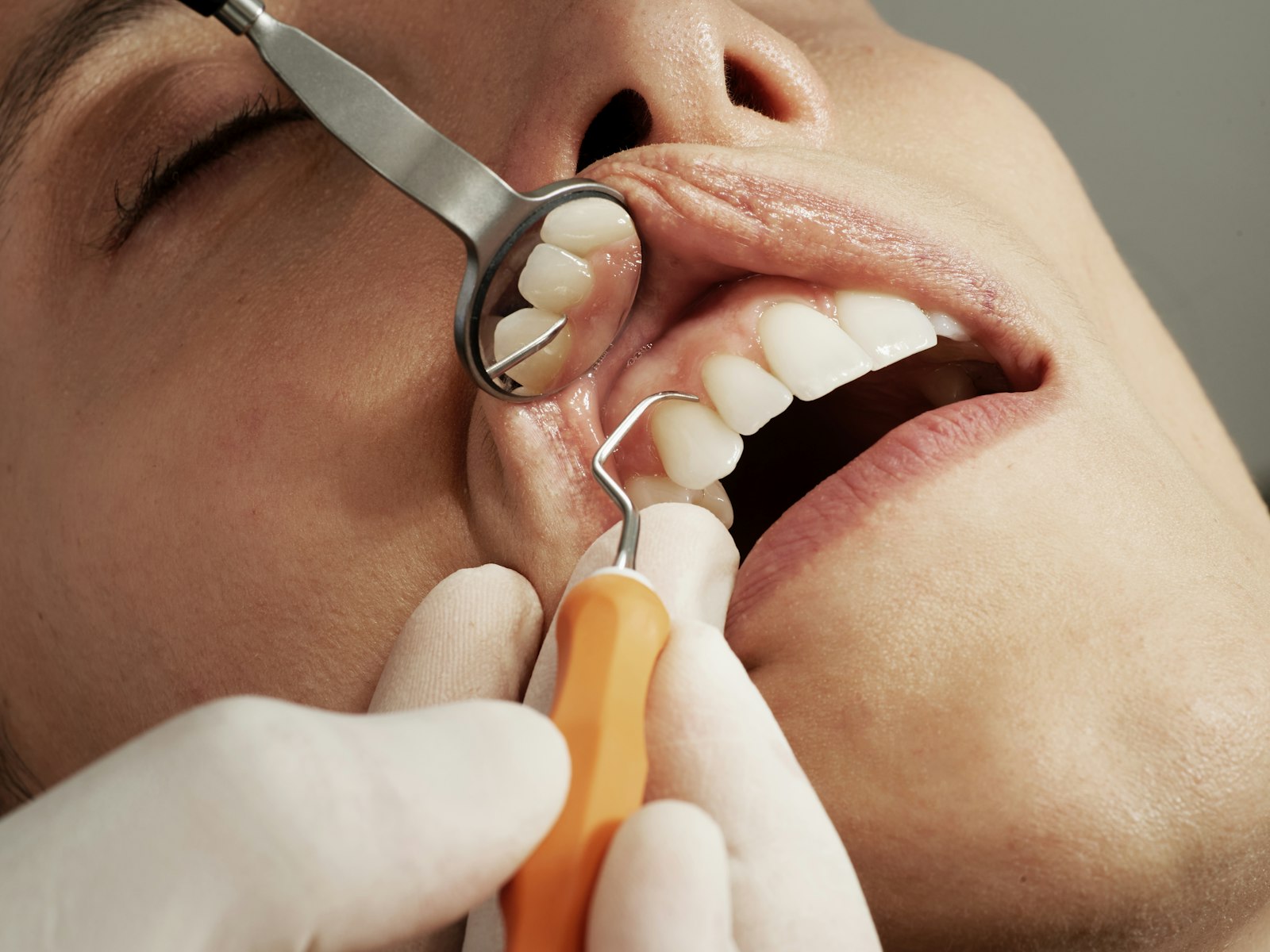
The fundamentals are the same as for anyone, and they pay off more here. Brush twice a day with fluoride toothpaste, clean between the teeth daily, and keep up regular dental visits so any change is caught early. Treat dry mouth seriously by sipping water and using sugar-free gum, since a dry mouth speeds up decay. Tell your dental team about your health so care can be tailored. Dental treatment is safe, and there is no reason to delay routine work. You can see current new-patient and check-up offers on our current deals page or book a general appointment in Melrose Park.
Frequently asked questions
Can a mouth problem be the first sign of HIV?
Sometimes. Conditions like a sudden or stubborn oral thrush, or a white patch on the side of the tongue, have historically been early signs. They are not proof of HIV on their own, but an unexplained, recurring oral infection is always worth investigating with a doctor.
Is dental treatment safe if I have HIV?
Yes. Routine and more involved dental care is safe and important. Standard infection control protects everyone, and your dental team can tailor care to your needs. Keeping up regular visits helps prevent problems.
Does effective HIV treatment improve oral health?
Generally yes. As the immune system recovers on treatment, the oral conditions most associated with HIV become less common. Day-to-day prevention still matters for dry mouth, gum disease and decay.
Should I tell my dentist about my HIV status?
It helps. Sharing your health information lets your dental team tailor prevention and watch for any early changes. Your information is handled confidentially as part of your medical history.
What oral symptoms should prompt a visit?
Any white or red patch, lump or ulcer lasting more than two weeks, recurring thrush, painful or rapidly worsening gums, or a persistently dry mouth are all worth checking promptly.
Oral health is a meaningful part of living well with HIV. With regular care and good daily habits, most mouth problems can be prevented or treated early. The team at Lumi Dental in Melrose Park is happy to help.

