

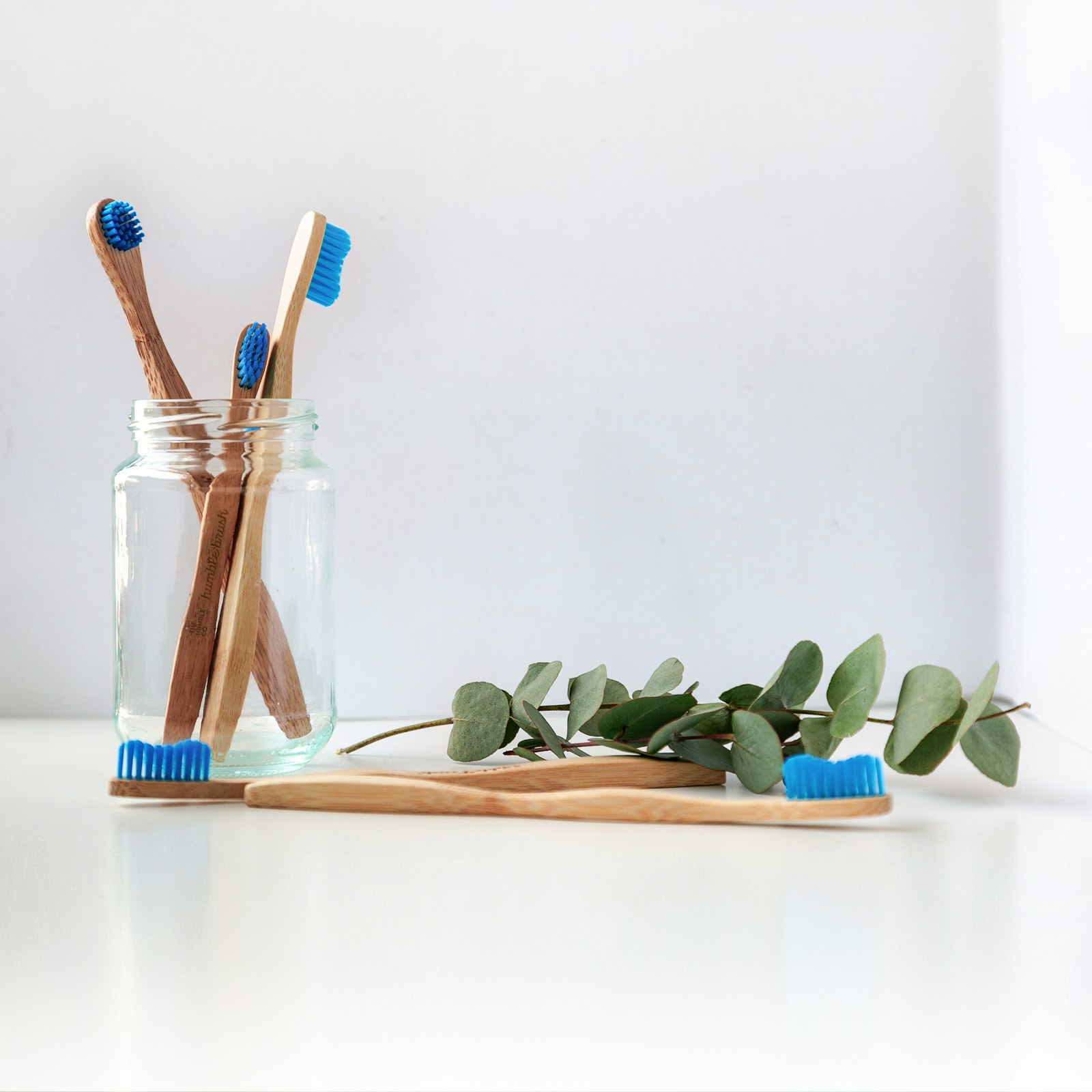

Replace your toothbrush, or your electric toothbrush head, about every three to four months, and sooner if the bristles look frayed. Worn, splayed bristles do not reach into the grooves and gum line the way fresh ones do, so an old brush cleans less effectively even if you brush for the same length of time. It is a small, cheap habit that makes a real difference to how well you remove plaque. This guide explains the timing and the reasons behind it.
Key takeaways
- Change a manual brush or electric head roughly every three to four months.
- Replace it sooner if the bristles splay, flatten or discolour.
- Swap your brush after a cold, flu or throat infection.
- Frayed bristles clean less well, especially along the gum line and between teeth.
- Store brushes upright, uncovered and apart so they dry between uses.
Why bristles wear out
Toothbrush bristles are designed to be gently flexible so they can sweep plaque off the tooth surface and just under the gum line. With daily use they lose that spring, bend outwards and become splayed. Once that happens, they skate over the surfaces they are meant to clean and miss the very places plaque likes to gather. A brush that looks tired is not cleaning at its best, no matter how carefully you use it.

The three to four month guide
For most people, three to four months of normal use is about how long bristles stay effective. This is a guide rather than a hard rule. If you brush firmly you may wear a brush out faster; if you have a gentle technique it may last a little longer. The bristles themselves are the best indicator. When they start to bend away from the head or lose their shape, it is time for a new one, even if it has not been three months.
Other times to replace it
There are moments to swap a brush regardless of the calendar. After a cold, the flu, a throat or mouth infection, a fresh brush avoids reintroducing germs as you recover. If your brush has been left touching someone else's, or dropped somewhere unhygienic, replace it. Children often chew their brushes, wearing them out faster, so check theirs more often.
| Situation | What to do |
|---|---|
| Normal daily use | Replace every 3 to 4 months |
| Bristles splayed or flattened | Replace now, even if sooner |
| After illness | Replace the brush or head |
| Children's brushes | Check often, they wear faster |
| Electric toothbrush | Replace the head on the same schedule |
Does this apply to electric toothbrushes?
Yes. Electric toothbrush heads wear out the same way and should be changed every three to four months, or sooner if frayed. Many heads have fading colour indicators on the bristles to help you judge. If you are weighing up brush types, our comparison of electric versus manual toothbrushes may help.
Getting the most from your brush
Between replacements, look after your brush so it stays clean. Rinse it well after brushing, store it upright so it can air dry, and keep it away from other brushes so heads do not touch. Avoid sealed covers that trap moisture. And remember that a soft-bristled brush and a gentle technique protect your gums; scrubbing hard wears both the brush and your gums faster. If your gums bleed when you brush, our guide on bleeding gums explains what it can mean, and if your teeth are sensitive, see our advice on choosing a toothpaste for sensitive teeth.
Frequently asked questions
Is it bad to use an old toothbrush?
An old brush with worn bristles cleans less effectively, leaving more plaque behind. It will not harm you directly, but your cleaning suffers.
How do I know when to change it?
Look at the bristles. When they splay outwards, flatten or lose their shape, replace the brush, even if it has not been three months.
Should I replace my brush after being sick?
Yes. Swapping your brush or head after a cold, flu or mouth infection is a simple way to start fresh as you recover.
Do electric heads last longer?
No, they wear on the same three to four month schedule. Many have indicator bristles that fade to signal replacement time.
How should I store my toothbrush?
Rinse it, stand it upright to air dry, and keep it apart from other brushes. Avoid airtight covers that keep the bristles damp.
The bottom line
Replace your toothbrush or electric head every three to four months, sooner if the bristles fray or after illness. It is one of the cheapest ways to keep your cleaning working. For a check-up and a personalised hygiene plan, see our current offers.
This article is general information and not a substitute for personal dental advice. Please see a dentist for care tailored to your situation.

