


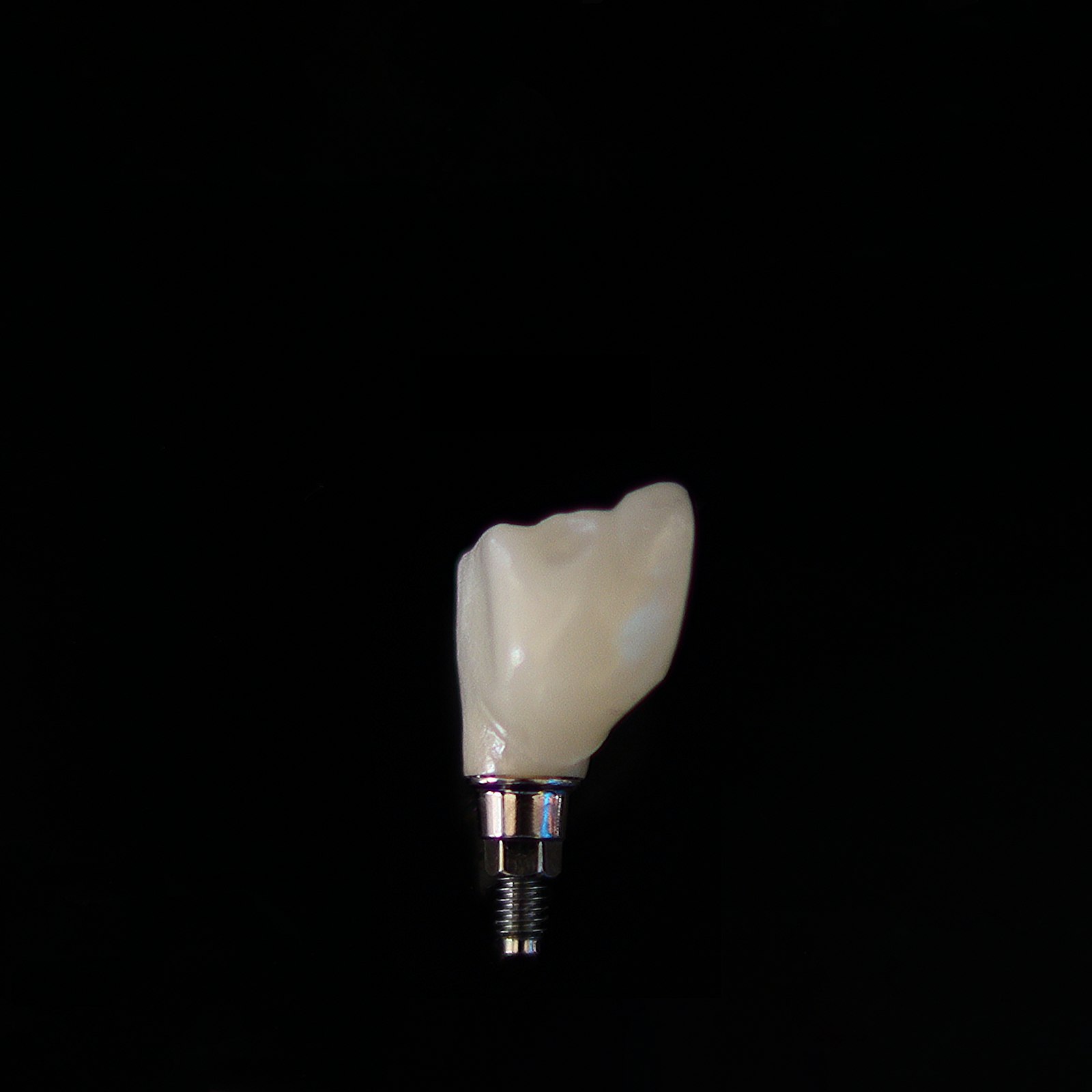
A dental implant cannot get a cavity, but that does not make it maintenance free. The gum and bone around an implant can still become inflamed and infected, a problem called peri-implantitis, and it is the leading reason implants fail over time. Studies suggest peri-implantitis affects roughly one in five people with implants, and milder gum inflammation around implants is even more common. The good news is that daily cleaning is one of the most powerful ways to prevent it.
The single rule to hold onto is this: clean around an implant at least as carefully as you clean a natural tooth, because the implant has no natural attachment to defend itself once infection sets in.
Key takeaways
- Implants do not decay, but the surrounding gum and bone can become infected (peri-implantitis).
- Peri-implantitis affects around one in five implant patients, and prevention is mostly daily cleaning.
- The core tools are a soft toothbrush, interdental brushes, and either a water flosser or implant-specific floss.
- Avoid metal scrapers and abrasive pastes on implant surfaces, which can scratch them.
- Regular professional maintenance visits are part of keeping an implant for the long term.
Why implants still need careful cleaning
A natural tooth is anchored by fibres that form a partial barrier against bacteria. An implant fuses directly to bone and lacks that fibre attachment, so once plaque builds up at the gum line and inflammation begins, it can progress to the supporting bone more readily. Because there is no decay to warn you and peri-implantitis is often painless in its early stages, the damage can advance quietly. That is why a consistent daily routine matters more, not less, with implants. Our guide to peri-implantitis treatment explains what happens if it is left.
The tools that work
A soft toothbrush
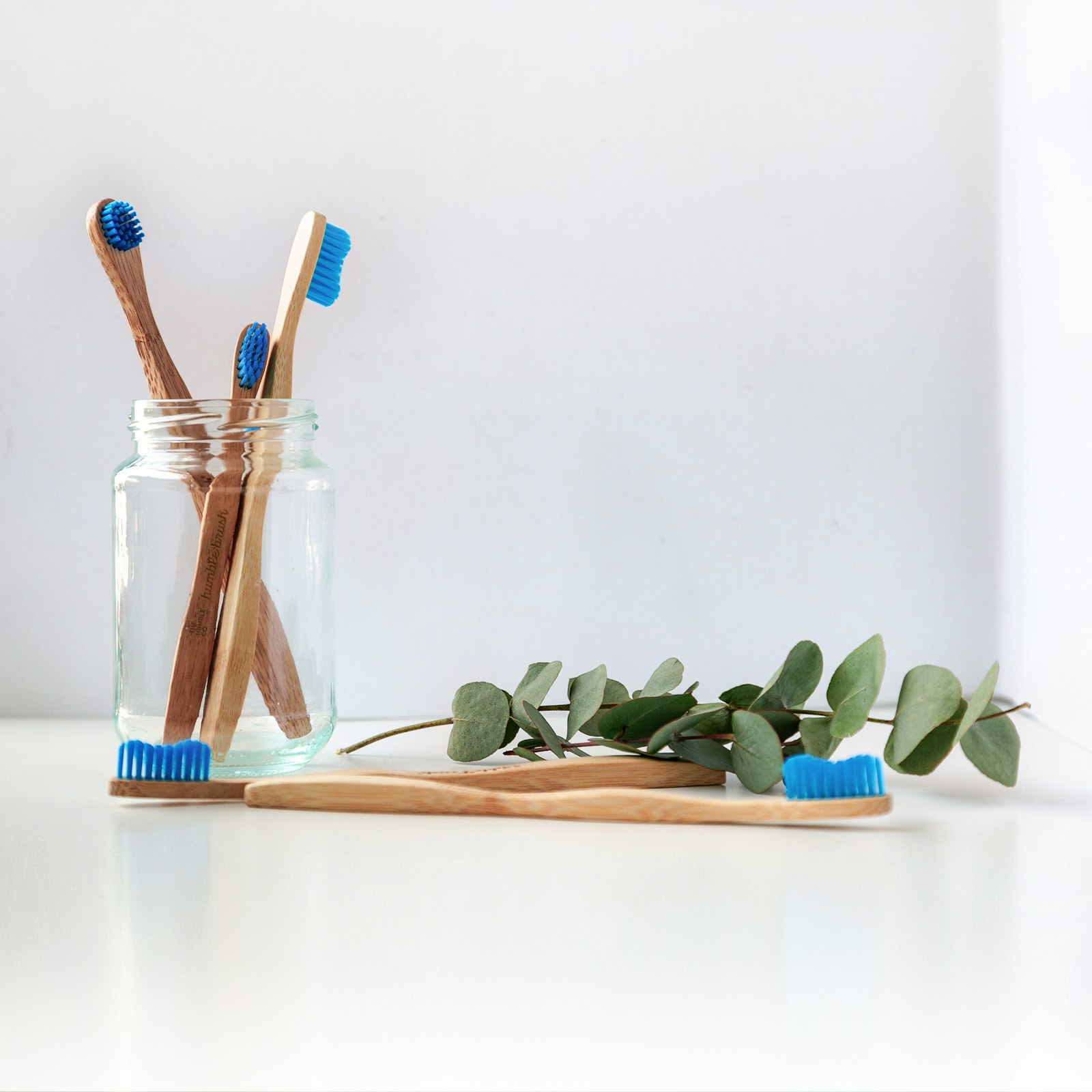
Brush twice a day with a soft manual or electric brush, angling the bristles towards the gum line around the implant crown. An electric brush can make this easier and more thorough.
Interdental brushes
These small bristled brushes slide between teeth and around the implant to reach where a toothbrush cannot. Choose a size that fits snugly but comfortably, and use a soft, non-metal coated brush so the wire does not scratch the implant surface. For many people this is the single most useful tool around an implant.
A water flosser
A water flosser, or oral irrigator, uses pulses of water to flush plaque and food from around the implant and under any bridge. Set it to low or medium pressure, use any implant tip provided, and angle it at the gum line. It is especially helpful for cleaning under a fixed bridge or full-arch restoration.
Floss made for implants
Special implant floss or a floss threader with superfloss lets you wrap and clean around the abutment and under a bridge. Slide gently rather than snapping it down.
A simple daily routine
- Morning: brush for two minutes with a soft brush and fluoride toothpaste, paying attention to the gum line around the implant.
- Once a day: clean around the implant with an interdental brush and/or a water flosser, and floss under any bridge with implant floss.
- Avoid: metal scalers, stiff picks, and gritty whitening or charcoal pastes near the implant, all of which can scratch the surface and give plaque somewhere to cling.
- Watch for: redness, puffiness, bleeding when you clean, or a bad taste around the implant, and report these early.
Cleaning a full-arch or All-on-4 restoration
A fixed full-arch bridge sits slightly off the gum to leave a cleaning space underneath, and that space must be cleaned daily. A water flosser plus superfloss threaded under the bridge is usually the most effective combination. Your dentist or hygienist will show you the angles for your specific restoration. Our guides to All-on-4 implants and implant aftercare cover this in more depth.
Professional maintenance
Home care does most of the work, but professional maintenance is the safety net. At a maintenance visit the team cleans around the implant with instruments safe for implant surfaces, checks the gum health and the fit of the crown or bridge, and catches early inflammation before it reaches the bone. Most people are seen every six months, and some who are higher risk, such as smokers or those with gum disease, are seen more often.
What it costs
Implant maintenance is mostly the cost of routine cleans and check-ups, plus the one-off purchase of tools like a water flosser and interdental brushes. As a general guide only, a professional clean and examination in Australia commonly falls in a modest range, and cleaning tools are an inexpensive everyday outlay. These are general market ranges, not a quote, and the team at Lumi Dental does not publish its own prices here. See our current deals page, or book an implant maintenance visit for a written quote and a routine tailored to your restoration.
Frequently asked questions
Can dental implants get cavities?
No. The implant and crown cannot decay, but the gum and bone around them can become infected, which is why daily cleaning is still essential.
What is the best tool for cleaning implants?
For most people an interdental brush plus a water flosser covers the gum line and the spaces a toothbrush misses. The right size and gentle technique matter more than any single product.
Can I use normal floss on an implant?
Yes, gently, though implant-specific floss or superfloss with a threader works better around abutments and under bridges. Avoid snapping floss down hard.
How do I clean under an All-on-4 bridge?
A water flosser plus superfloss threaded under the bridge is the usual approach. Your dentist or hygienist will show you the angles for your restoration.
How often should I see the dentist with implants?
Usually every six months for professional maintenance, and more often if you smoke or have a history of gum disease. These visits catch early inflammation before it affects the bone.
If you have implants and want to be sure you are cleaning them well, the team at Lumi Dental in Melrose Park can show you the right tools and technique. Related reading: peri-implantitis treatment, implant aftercare, and how long implants last.
This article is general information and not a substitute for personal advice from a dentist.

