

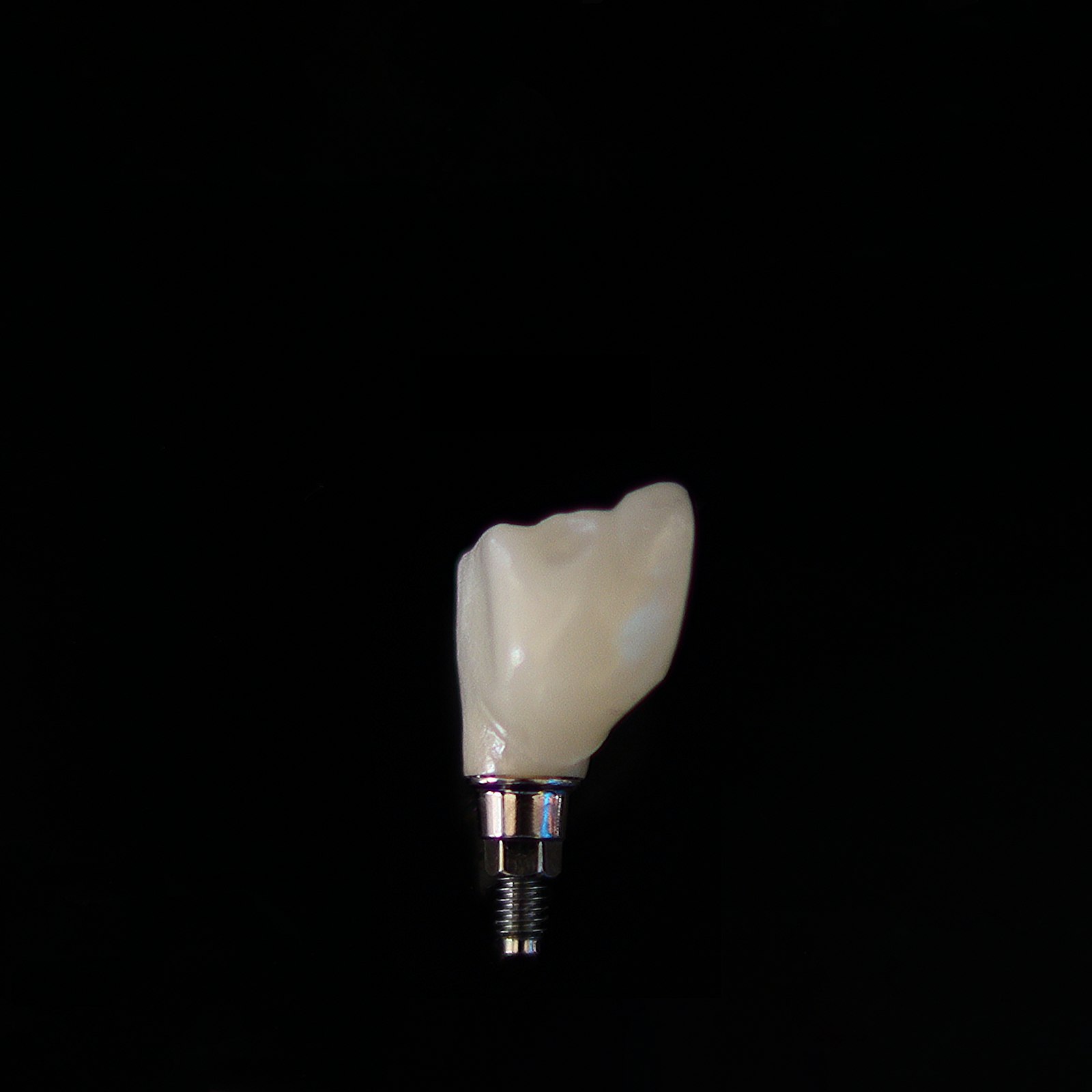

Peri-implantitis is gum disease around a dental implant. It is inflammation of the tissue around the implant combined with progressive loss of the supporting bone, and left untreated it can cause an implant to loosen and fail. It is more common than many people expect: reviews estimate peri-implantitis affects roughly one in five implant patients, while a milder, reversible form called peri-implant mucositis affects close to half. The encouraging news is that caught early, the problem can often be controlled and the implant saved.
This guide explains what peri-implantitis is, how to spot it, how it is treated, and the maintenance that keeps an implant healthy for the long term.
Key takeaways
- Peri-implantitis is inflammation plus bone loss around an implant; mucositis is the earlier, reversible stage with no bone loss yet.
- It affects around 20 percent of implant patients at some point; mucositis is even more common.
- Warning signs include bleeding, redness, swelling, or pus around the implant, and later, looseness.
- Early treatment is non-surgical cleaning; advanced cases may need surgery, sometimes with bone regeneration.
- Smoking, poor cleaning, and a history of gum disease raise the risk, so maintenance is essential.
Mucositis versus peri-implantitis
The distinction matters because it changes everything about the outlook. Peri-implant mucositis is inflammation of the gum around the implant with no bone loss. Like gingivitis around a natural tooth, it is reversible with good cleaning and a professional clean. Peri-implantitis is the next stage, where the inflammation has begun to destroy the bone that holds the implant. Bone does not grow back on its own, so the goal shifts from reversal to stopping the damage and, where possible, rebuilding lost support. This mirrors the way gum disease progresses around natural teeth, as we describe in gum disease treatment.
What causes peri-implantitis
The root cause is bacterial plaque building up where the implant meets the gum, just as it does around teeth. Several factors increase the risk:
- Poor cleaning around the implant and crown
- Smoking, which impairs healing and blood supply to the gum, as covered in smoking and your teeth
- A history of gum disease, since the same susceptibility carries over to implants
- Uncontrolled diabetes, linked in diabetes and gum disease
- Residual cement left under the gum during crown fitting, or a poorly fitting restoration
- Skipping maintenance visits after the implant is placed
How to spot the warning signs
Implants do not get cavities, but the gum and bone around them can still get sick, and unlike a toothache, the early stages are often painless. Watch for:
- Bleeding when you brush or clean around the implant
- Red, puffy, or tender gum at the implant
- Pus or a bad taste around the site
- Gum recession exposing the implant or crown margin
- Any looseness of the crown or implant, which is a late and serious sign
Because the early signs are subtle, regular reviews are how most cases are caught in time. This is a core part of dental implant aftercare.
How peri-implantitis is treated
Treatment is staged according to severity, starting with the least invasive approach.
Non-surgical treatment
For mucositis and early peri-implantitis, the implant surface is cleaned thoroughly to remove plaque and hardened deposits, using instruments designed not to scratch the implant, sometimes with antimicrobial rinses or local antibiotics. Combined with improved home cleaning, this is often enough to settle mucositis completely.
Surgical treatment
When bone loss has occurred, the gum may need to be lifted to access and decontaminate the implant surface directly. Depending on the shape of the defect, the surgeon may smooth and reshape the area, or use a bone graft and membrane to try to regenerate lost support. Outcomes vary, and the evidence base is still developing, so your clinician will set realistic expectations for your particular case.
When an implant cannot be saved
If too much bone is lost, the most predictable path may be to remove the implant, let the site heal, and plan a replacement, sometimes with bone grafting first as described in bone grafts and sinus lifts.
Preventing peri-implantitis
- Clean around the implant daily, including under the crown with floss, interdental brushes, or a water flosser.
- Keep your maintenance appointments, often every three to six months.
- If you smoke, getting support to stop meaningfully lowers your risk.
- Manage diabetes and general gum health.
- Report any bleeding or soreness around an implant early, while it is still easy to treat.
General cost in Australia
Cost depends on the stage and whether surgery or regeneration is needed. The figures below are general market ranges, not a quote.
| Treatment | Typical Australian range | Notes |
|---|---|---|
| Implant maintenance clean | $150 to $350 | Routine, preventive |
| Non-surgical peri-implantitis treatment | $300 to $800 | Early cases |
| Surgical treatment, with grafting | $1,500 to $5,000+ | Advanced cases |
The team at Lumi Dental does not list its own prices here. For current options and a written quote, see our current offers or our dental implants page.
Frequently asked questions
Can a failing implant be saved?
Often yes, if peri-implantitis is caught early. Non-surgical cleaning settles many cases, and surgery can stabilise more advanced ones. Implants with severe bone loss may need to be removed and replaced, which is why early detection matters so much.
Is peri-implantitis painful?
Frequently it is not, especially in the early stages, which is what makes it dangerous. Bleeding, redness, or swelling around an implant can be the only clue, so do not wait for pain before getting it checked.
Why did my implant get gum disease?
The usual cause is plaque building up around the implant, made worse by smoking, a past history of gum disease, uncontrolled diabetes, leftover cement, or missed maintenance visits. The good news is that most of these are manageable.
How do I clean around my implant properly?
Brush twice daily and clean below the crown every day with floss, interdental brushes, or a water flosser. Your dentist or hygienist can show you the right technique and recommend tools suited to your implant.
The bottom line
Peri-implantitis is common, often painless in its early stages, and treatable when found in time. The two things that protect your investment are daily cleaning around the implant and keeping your maintenance visits, so any inflammation is caught before it costs you bone. If you have an implant and notice bleeding, swelling, or looseness, the team at Lumi Dental in Melrose Park can assess it promptly. See our current offers to book a review.

