

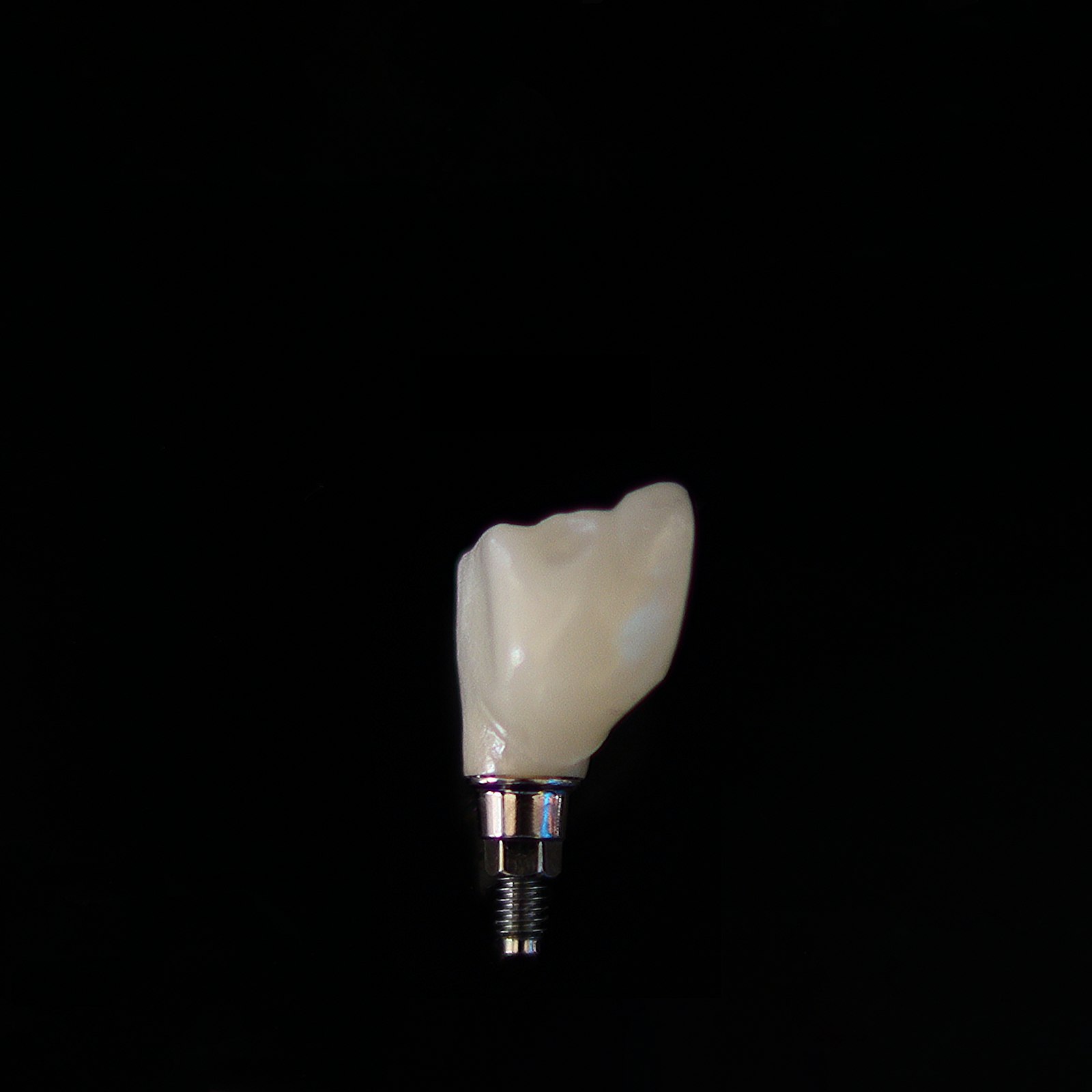

When you need a tooth replaced with an implant, one of the first questions is timing. Should the implant go into the socket the same day the tooth is removed, called immediate placement, or should the site heal for a few months first, called delayed placement? It is a common source of confusion, partly because clinics market same-day implants heavily. The honest answer from the research is that both approaches have high success, with systematic reviews reporting survival around 97 percent for each. The right choice depends on the site, not on which sounds faster.
Key takeaways
- Immediate placement puts the implant in on the day of extraction; delayed placement waits for the socket to heal first.
- Both have high reported survival, around 97 percent in pooled data, so neither is clearly better for everyone.
- The deciding factor is the site, especially how much sound bone is present and whether there is any infection.
- Immediate placement can mean fewer surgeries and faster overall treatment when conditions are ideal.
- Delayed placement is the safer choice when bone is thin, the socket is infected, or the gum needs to settle, and is often preferred for higher-risk cases.
The one factor that decides it: the condition of the socket and bone
The single most important factor is the quality of the extraction site. For an implant to be placed immediately, it needs to gain firm anchorage (called primary stability) in the bone beyond the old socket, and the site should be free of active infection with enough healthy bone and gum around it. When those boxes are ticked, immediate placement can work very well. When they are not, healing the site first gives a more predictable result. This is why a good implant plan starts with a 3D scan, not a calendar.
Immediate placement: pros and cons
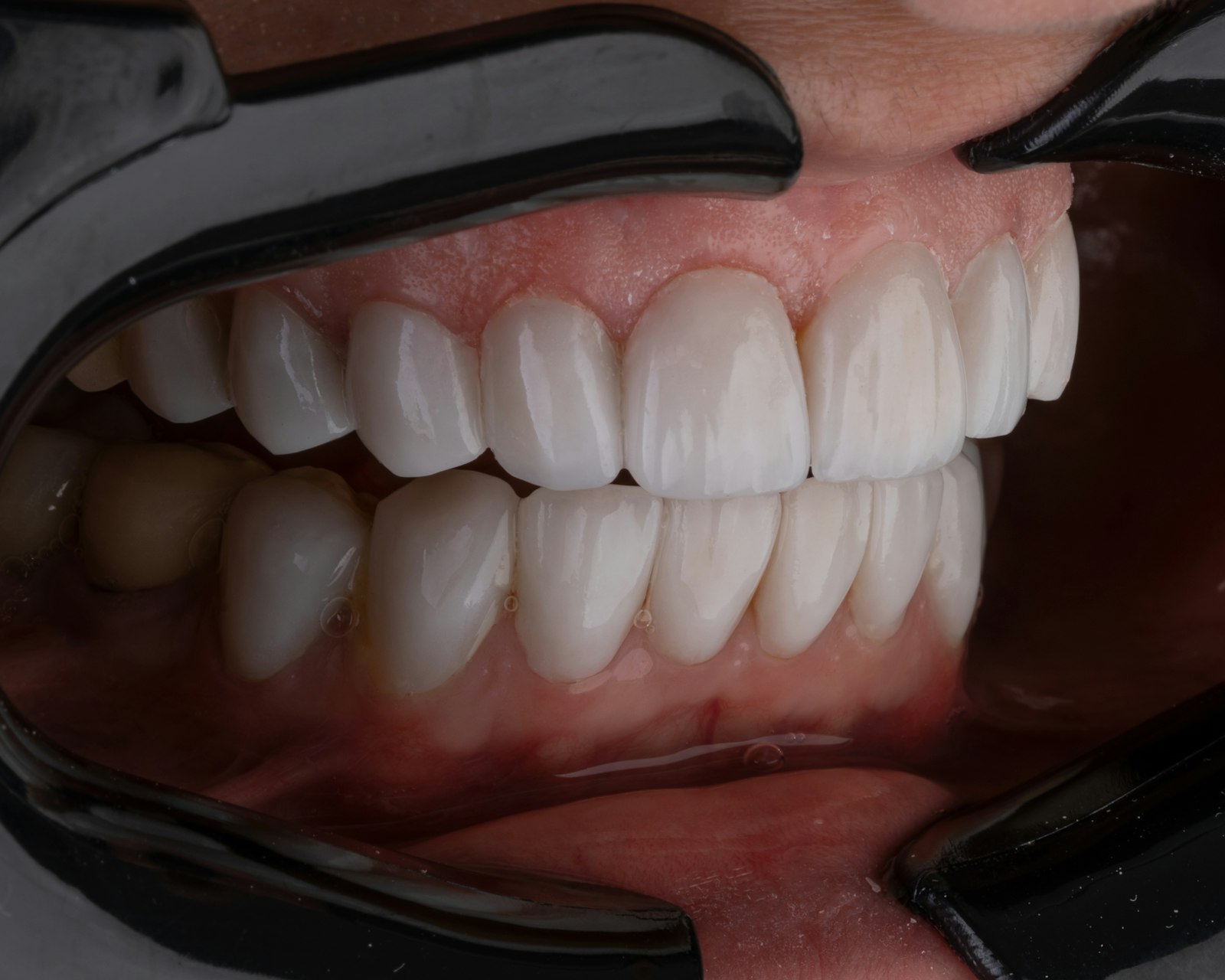
Immediate placement is appealing because it can reduce the number of surgical visits and shorten the overall timeline, and it preserves the gum shape better in some front-tooth cases. The trade-offs are that it is technique-sensitive, depends heavily on ideal bone, and some studies show slightly more early failures in immediate cases, with survival in a few studies ranging from 90 to 95 percent compared with above 95 percent for delayed. It is best suited to carefully selected sites.
Delayed placement: pros and cons
Delayed placement waits, typically a few months, for the socket to fill with bone before the implant goes in. It is more forgiving, gives the surgeon a healed, infection-free site to work with, and tends to show very consistent survival above 95 percent. Some recent analyses favour delayed placement for longer-term survival, particularly in the lower jaw and in higher-risk patients such as smokers or those with certain health conditions. The downside is a longer total treatment time.
The timing options at a glance
| Approach | When the implant goes in | Reported survival | Often suits |
|---|---|---|---|
| Immediate | Same day as extraction | Around 97%, some studies 90 to 95% | Healthy socket, good bone, no infection |
| Early (weeks) | After soft tissue heals, around 4 to 8 weeks | High | Gum needs to settle, bone is adequate |
| Delayed | After bone heals, around 3 to 4 months | Above 95% | Thin or infected sites, higher-risk patients |
What this means for you
If a clinic offers a same-day implant, it is reasonable to ask why that timing suits your particular tooth, and what the plan is if the bone turns out to be less ideal than hoped. A good implant dentist will sometimes recommend waiting, and that is a sign of careful planning rather than a delay for its own sake. Either way, grafting may be discussed to build up bone, which the article on bone grafts and sinus lifts covers.
The cost angle
Cost depends on the complexity of the site, whether grafting is needed, and the crown on top, more than on the timing alone. As a general market guide only, a single dental implant with its crown in Australia commonly ranges from around 4,500 to 6,500 dollars or more. These are general ranges, not a quote, and the team at Lumi Dental does not list its own prices here. For current pricing see our current deals page or visit our dental implants page for a written quote.
Frequently asked questions
Are same-day implants as good as waiting?
In well-selected cases, yes, with similar reported survival around 97 percent. The key is whether the site has enough sound bone and no infection. In less ideal sites, waiting is more predictable.
How long after a tooth is removed can I get an implant?
It ranges from the same day (immediate) to around 4 to 8 weeks (early) to 3 to 4 months (delayed), depending on the site and your health.
Which is safer, immediate or delayed?
Both are safe in the right case. Delayed is generally more forgiving and is often preferred when bone is thin, infection is present, or for higher-risk patients.
Does immediate placement cost more?
Not necessarily. Cost is driven more by grafting and complexity than by timing. Sometimes fewer visits can reduce overall cost.
Will I have a tooth on the day?
Immediate placement sometimes allows a temporary tooth the same day, but not always. Whether you leave with a temporary depends on stability and the position of the tooth.
If you are weighing up an implant and want an honest view on timing, the team at Lumi Dental in Melrose Park can assess the site with a 3D scan. Related reading: same-day implants, implant aftercare, implant vs bridge vs denture, and tooth extraction recovery.

