

Lemon water can be harmful to teeth if you drink it often and slowly sip it throughout the day, because the citric acid can soften the surface of enamel. Pure lemon juice has a pH of around 2, which is far more acidic than the level at which enamel begins to dissolve (about pH 5.5). A squeeze of lemon in a large glass of water is much milder, but the habit still adds up if it happens many times a day.
The good news is that you do not have to give it up. Small changes to how you drink it can lower the risk considerably.
Key takeaways
- Lemon water is acidic and may contribute to enamel erosion when sipped frequently.
- How often and how long your teeth are exposed to acid matters more than the amount in one glass.
- Drinking through a straw, finishing the glass quickly and rinsing with plain water can reduce contact with your teeth.
- Wait at least 30 minutes before brushing, because acid-softened enamel is more easily worn away.
- Early erosion often has no pain, so regular check-ups help catch it.
Why is lemon water acidic?
Lemons contain citric acid. When you drink an acidic liquid, the pH in your mouth falls. Below about pH 5.5, minerals begin to leach out of the enamel surface. Saliva normally neutralises acid and helps harden enamel again, but this takes time. If you sip lemon water for an hour, your teeth may spend that whole hour in an acidic environment.
How much does it matter?
Studies of acidic drinks consistently show that frequency and contact time are the main risk factors. A single glass of lemon water with a meal is unlikely to cause problems for most people. Sipping several glasses a day, using hot lemon water first thing in the morning on an empty stomach, or holding the drink in your mouth is a different story.
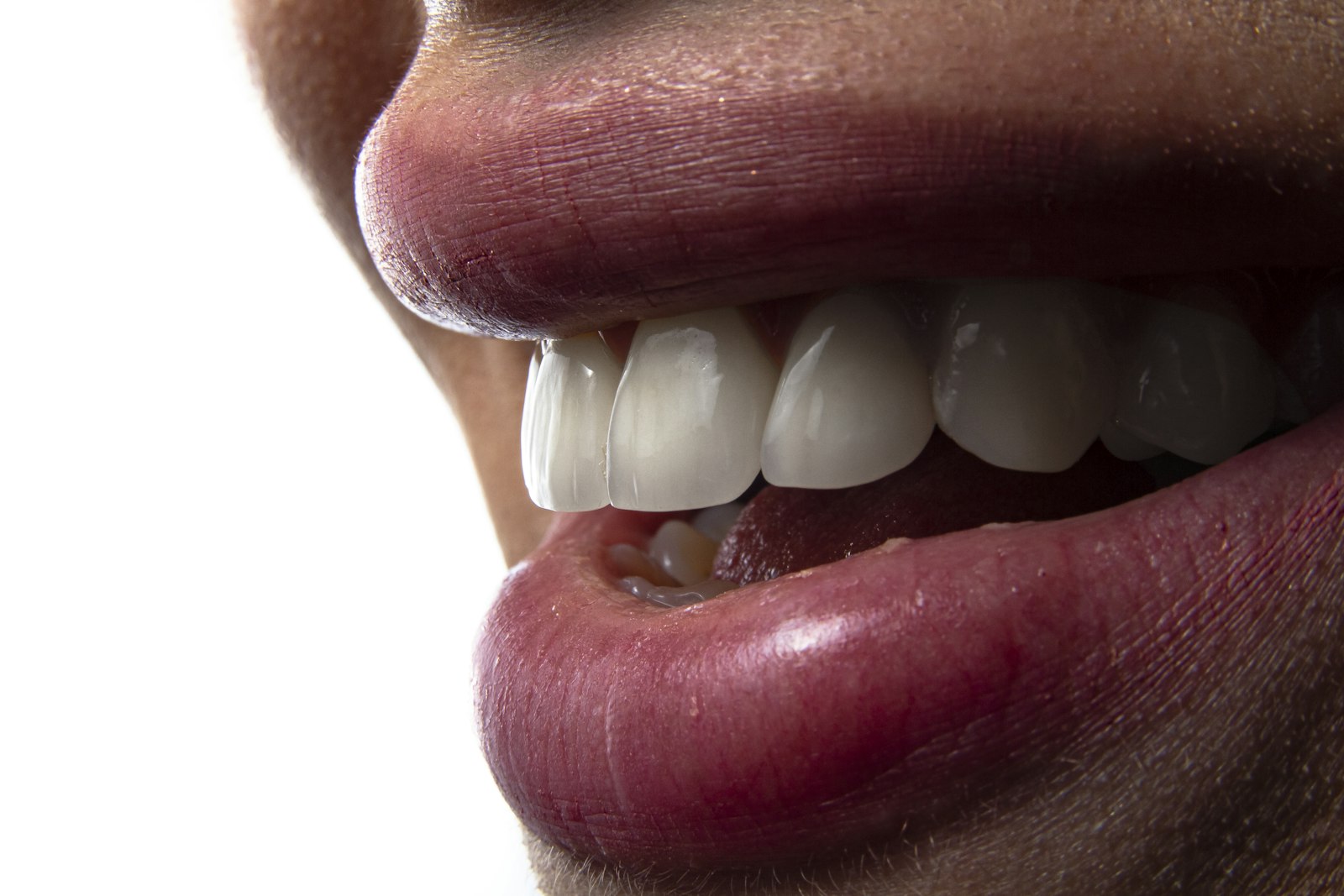
Erosion differs from decay. It is a chemical wear of the surface, and teeth can look glassy, smooth or slightly yellow as the enamel thins and the darker layer underneath shows through. Our guide to enamel erosion causes and prevention covers the signs in more detail.
How lemon water compares with other drinks
| Drink | Approximate acidity | Erosion concern |
|---|---|---|
| Plain tap water | Neutral, around pH 7 | None |
| Lemon slice in a large glass of water | Mildly acidic, around pH 4 to 5 (varies) | Low to moderate if sipped often |
| Sparkling water | Slightly acidic, around pH 5 | Low |
| Orange juice | Around pH 3.5 | Moderate to high |
| Soft drink and sports drinks | Around pH 2.5 to 3.5 | High |
| Undiluted lemon juice | Around pH 2 | High |
Values are approximate and depend on the product and dilution. See our article on sparkling water, kombucha and vinegar for similar drinks.
How to drink lemon water with less risk
- Dilute it well. Use a thin slice or a small squeeze in a large glass rather than a strong shot of juice.
- Drink it with a meal. Saliva flow is higher when you eat, which helps neutralise the acid.
- Finish it in one sitting. Avoid sipping for hours.
- Use a straw. A straw can reduce contact with the front teeth.
- Rinse with plain water afterwards. This helps wash away acid.
- Wait before brushing. Give your saliva around 30 minutes to start re-hardening the surface.
- Chew sugar-free gum. It can increase saliva flow. See our guide to sugar-free gum.
Does lemon water whiten teeth?
No. Lemon juice does not whiten teeth in a safe way, and online tips that combine lemon with baking soda can strip enamel. If you want a brighter smile, a dentist-supervised option is safer. Our teeth whitening page explains what is available.
Signs your teeth may be affected by acid
- Increased sensitivity to cold, hot or sweet foods.
- Teeth that look smoother, shinier or more yellow.
- Small cupped dents on the biting surfaces.
- Edges of the front teeth that look thin or transparent.
If you notice these, speak to a dentist. Early erosion can often be managed with fluoride products and habit changes, and more advanced wear may need restorative treatment.
Frequently asked questions
Is lemon water in the morning bad for teeth?
It is not automatically bad, but sipping it slowly on an empty stomach exposes teeth to acid for longer. Drinking it quickly, with a straw, and rinsing afterwards is gentler.
Should I brush my teeth after lemon water?
Wait about 30 minutes. Brushing straight away can scrub softened enamel. Rinsing with water immediately is a better first step.
Is warm lemon water worse than cold?
The acidity is the same. Warm drinks can be sipped for longer, which increases contact time.
Can enamel grow back after erosion?
Enamel does not regenerate once it is lost, but early softening can partly re-harden with saliva and fluoride. Our article on the best and worst foods and drinks for teeth has more ideas.
Is bottled lemon juice worse than fresh?
Both are acidic. Some bottled products also contain added sugar, which adds to decay risk.
Check your enamel
If you drink lemon water daily and have noticed sensitivity, a check-up can show whether acid wear has started. See the general dentistry page or our current deals for new patient information.
This article is general information and not a substitute for advice from your dentist.


