


If you wear a partial denture and lose another natural tooth, a replacement tooth can often be added to the denture you already have, particularly if it is acrylic, but the answer depends on the denture material, where the gap is and whether the lost tooth held a clasp. A published clinical report describes adding teeth to a patient's existing acrylic partial denture at the same appointment as the extraction, without sending it to a laboratory. Other dentures need lab work, a design change or a new denture.
Written by Dr James Tran, BDent (University of Sydney), MICOI, GradDip (Oral Implants), general dentist at Lumi Dental in Melrose Park.
The short version
- Tell your dentist before a tooth comes out, and bring your partial denture to that visit.
- Acrylic partials usually take an added tooth well, sometimes on the day of the extraction.
- Cobalt-chrome partials can often take an addition if there is metal retention near the gap. If not, the framework may need soldering, welding or replacing. Our comparison of cobalt-chrome and acrylic partial dentures explains the difference.
- Flexible nylon partials are hard to repair or add to, so a new denture is more likely.
- If the lost tooth carried a clasp, the denture loses grip and needs a new clasp or a design change.
- Repeated additions, a loose fit or several failing teeth usually point towards a new denture or other options.
The single rule: plan the addition with the extraction
If a tooth next to your partial denture is failing, raise it before the extraction is booked, and bring the denture to that appointment. An addition is easiest when it is planned with the extraction, because the dentist can record the mouth with the denture in place while the tooth is still there.
Patients I see sometimes arrive after an extraction with a gap in their smile and a denture that no longer sits as it did. That can still be fixed, but it usually takes longer.
Adding a tooth to an acrylic partial denture
Acrylic, the pink plastic most partial dentures are made from, bonds well to fresh acrylic, so additions are routine.
The usual laboratory method
The dentist takes an impression or scan with the denture sitting in your mouth, so the lab can see exactly where the new tooth needs to go. The impression and denture are lifted out together and sent to the lab, which joins a new tooth to the base with fresh acrylic. The clinical report notes the main drawback of this approach: you are without the denture while the lab work is done.
The chairside method at the extraction visit
The clinical report describes a method that avoids the lab. Before the extraction, an impression is taken with the denture in place. Small retention grooves are cut into the inside of the denture next to the planned addition. After the tooth is removed, tooth-coloured self-curing acrylic is placed into the impression where the extracted tooth was, and the denture and impression are seated in the mouth while it sets. The denture is then polished and refitted the same day.
The authors list some limits. The tooth being replaced ideally has a good shape and position and does not interfere with the bite. The method cannot be used as described if the extracted tooth is not right next to the denture's acrylic. It also does not improve a denture that was already loose. In my experience the deciding factors are where the gap is and how well the denture fitted before the extraction.
Adding a tooth to a cobalt-chrome partial denture
Cobalt-chrome partials have a thin metal framework covered with pink acrylic where the teeth sit. The Leeds Teaching Hospitals patient leaflet describes them as thinner and stronger than all-acrylic dentures.
Whether a tooth can be added depends on the metal next to the gap. If the framework already has a lattice or mesh nearby that acrylic can grip, the lab can usually add a tooth in much the same way as on an acrylic denture. If the gap sits against a smooth metal plate or bar, there is nothing for new acrylic to hold. The lab may then need to attach new retention to the framework by soldering or welding. A study on joining methods for partial denture frameworks notes that heating from torch soldering can change the properties of cobalt-chromium wire and damage the acrylic base and teeth, which is one reason these repairs take more time and care. Sometimes a new framework is the more sensible choice.
Adding a tooth to a flexible nylon partial denture
Flexible partials are made from nylon-type materials and are often chosen for their gum-coloured clasps. A literature review of flexible dentures lists "difficult to repair or reline" among their disadvantages, and research on bonding repair acrylic to nylon is limited. Some labs can add a tooth using special bonding steps, but it is less predictable than with acrylic. Our guide to flexible, acrylic and chrome partial dentures compares the materials.
When the lost tooth held a clasp
Clasps are the metal or tooth-coloured arms that grip your natural teeth and stop the denture lifting. If the tooth you are losing carried a clasp, the denture loses part of its grip once that tooth goes. The new tooth fills the gap, but something else has to hold the denture in.
Often a new clasp can be added to the next suitable tooth along. That depends on the shape and health of that tooth and, on a chrome denture, on metal nearby to attach to. Our article on metal and tooth-coloured partial denture clasps explains how clasps work.

Can a tooth be added? A guide by denture type
| Denture type | Can a tooth usually be added? | Typical approach | Things to know |
|---|---|---|---|
| Acrylic partial | Usually yes | Lab addition from an impression or scan with the denture in place; sometimes chairside on the day | You may be without the denture during lab work |
| Cobalt-chrome partial, metal retention near the gap | Often yes | Lab adds a tooth with acrylic onto the existing mesh | Similar to an acrylic addition |
| Cobalt-chrome partial, no retention near the gap | Sometimes | Lab solders or welds new retention, or a new framework is made | Takes longer; heat must be controlled near the acrylic |
| Flexible nylon partial | Often difficult | Specialised bonding if the lab offers it, or a new denture | Hard to repair or reline |
| Any partial where the lost tooth held a clasp | Yes, with a design change | New tooth plus a new clasp on another tooth | Depends on a suitable tooth nearby |
When a new denture or another option makes more sense
An addition fixes one gap and suits a denture that is otherwise in good shape. A new partial denture is often more sensible when:
- several more teeth are likely to be lost in the next few years
- the denture is old, worn or already repaired more than once
- it was loose before the tooth was lost
- the gums under it have shrunk and the fit has drifted
Sometimes an addition and a reline are done together, because the gum shrinks after an extraction. The Leeds leaflet notes that an immediate partial denture may loosen as the gums and bone change during healing and often needs relining or remaking later. Our article on relines versus new dentures sets out how that choice is made.
Implants and bridges
Losing another tooth is also a good moment to ask about fixed options. A single implant can sometimes fill the new gap so the partial does not need to change, or a bridge may suit where the teeth on each side need crowns anyway. Where several teeth are missing, one or two implants under a partial can improve its hold. Our article on converting from a denture to implants covers the options.
How we approach this at Lumi Dental
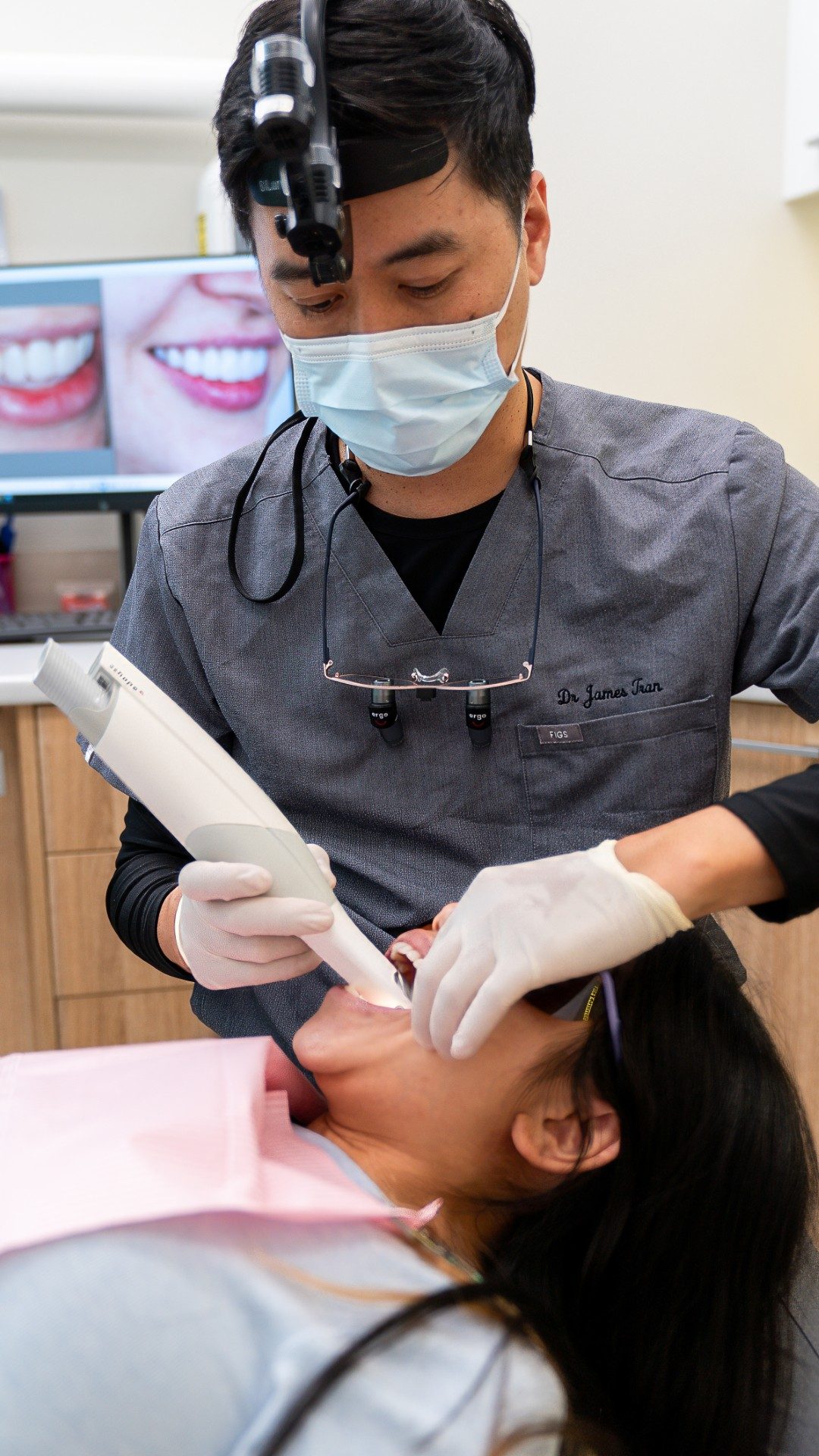
Lumi Dental provides partial and full dentures, denture relines and dental implants. When a tooth next to a partial denture is failing, the dentist examines the tooth, the denture and the gums, and talks through an addition, a new denture or a fixed option before the extraction is booked. Records can be taken with in-house 3D intraoral scanning, described on the technology page. You receive a written quote before any treatment.
Questions patients ask
Can you add a tooth to an existing partial denture?
Often, yes. Acrylic partials usually accept an added tooth, and cobalt-chrome partials often do if there is metal retention near the gap. Flexible nylon partials are harder.
How long will I be without my denture while a tooth is added?
It depends on the method and the lab. A chairside addition can be finished on the day of the extraction, while a lab addition means leaving the denture with the lab for a time. Ask before you book so you can plan around it.
Can I wear my partial denture straight after an extraction?
Often yes, if it has been adjusted or the tooth has been added. Your dentist will advise whether to keep it in for the first day. Our guide to immediate dentures explains what to expect as the area heals.
Is it better to add a tooth or get a new partial denture?
Adding a tooth suits a denture that fits well and is in good condition. If the denture is old, loose, already repaired or more teeth are likely to go soon, a new denture is usually the better long-term plan.
What happens if the tooth that held my clasp is removed?
The denture loses some grip. A new clasp can often be added to another suitable tooth, though sometimes the design needs to change or a new denture is made.
Planning a replacement tooth? Complimentary implant consult in Melrose Park
If a tooth near your partial denture is failing, the team at Lumi Dental in Melrose Park can look at the tooth and the denture together and explain whether an addition, a new denture or an implant suits you. Contact Lumi Dental to book, or read about dental implants at Lumi Dental and the complimentary implant consult. Patients visit from Ryde, Parramatta, Ermington and Rydalmere, with on-site parking at Melrose Central.
Sources
- Heliyon: Chairside technique for addition of teeth to an acrylic partial denture, a clinical report
- Cureus: Flexible denture, a literature review
- Journal of Osaka University Dental School: Clinical application of electric resistance welding and soldering methods to removable partial dentures
- Leeds Teaching Hospitals NHS Trust: Removable partial dentures
About the author

Dr James Tran is a general dentist at Lumi Dental in Melrose Park. He holds a BDent from the University of Sydney and a Graduate Diploma in Oral Implants, and is a Member of the International Congress of Oral Implantologists (MICOI).
This article is general information only and is not a substitute for an examination and individual advice from a registered dental practitioner. Suitability for any treatment varies from person to person.








