


A persistent metallic taste in your mouth, known medically as dysgeusia, is often linked to a dental cause such as gum disease, and it can also come from certain medicines, pregnancy, dry mouth, or nutritional issues. Taste is the result of your taste buds, saliva, and sense of smell all working together, so anything that changes one of them can leave food and drink tasting metallic. The good news is that many causes, particularly the dental ones, are treatable once they are identified.
Key takeaways
- A metallic taste (dysgeusia) is a symptom, not a disease, with many possible causes.
- Gum disease and bleeding gums are common dental causes, as blood releases iron into the mouth.
- Some medicines, pregnancy hormones, and dry mouth can all alter taste.
- Zinc or vitamin B12 deficiency can affect taste receptors.
- A taste change that lasts more than a week or two is worth checking with a dentist or doctor.
Dental causes are common
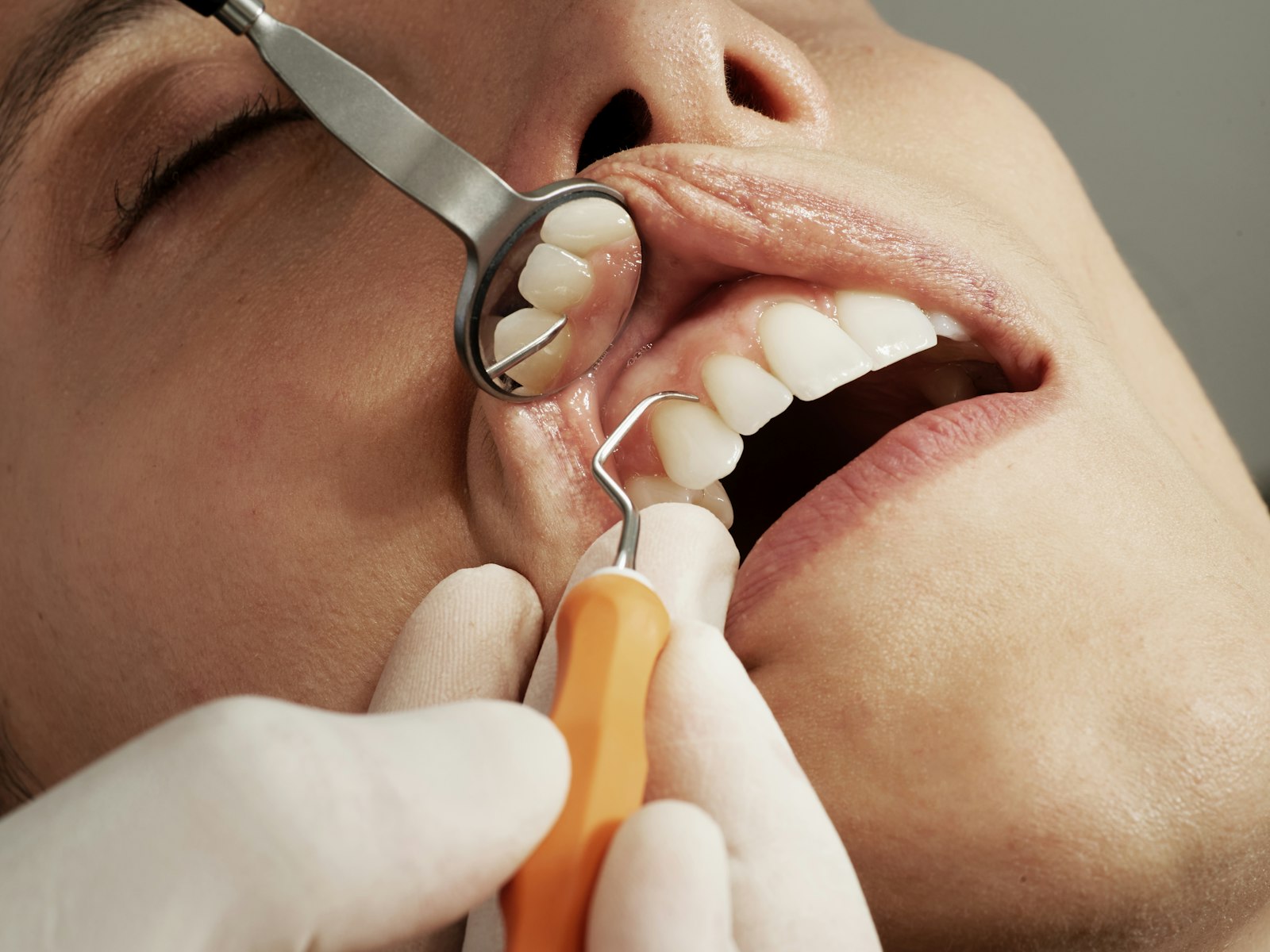
One of the most frequent reasons for a metallic taste is gum inflammation. When gums bleed, even slightly, small amounts of blood mix with saliva, and the iron in blood tastes metallic. Bleeding when brushing is an early sign of gum disease, covered in our guides to bleeding gums and gum disease. Other dental causes include an active infection, a tooth abscess, or poor oral hygiene allowing bacteria to build up. Treating the gum or tooth problem usually clears the taste.

Medicines that can change taste
Many medicines list a metallic taste as a side effect, because they can affect the taste buds or change saliva. Common examples include some antibiotics such as metronidazole and tetracycline, certain blood pressure medicines, and some diabetes medicines such as metformin. If a metallic taste started soon after a new medicine, it is worth raising with the prescriber, but do not stop a prescribed medicine without advice.
Pregnancy, dry mouth and nutrition
Hormonal changes in early pregnancy commonly cause a metallic taste, which usually settles after the first trimester; our guide to dental care during pregnancy covers oral changes at this time. Dry mouth is another contributor, because saliva normally helps balance taste, and reduced flow can leave a stale or metallic feel. A shortage of zinc or vitamin B12 can affect the taste receptors as well, which is one reason a doctor may check for deficiencies if the taste persists.
Other causes to be aware of
Sinus and respiratory infections, some chemotherapy and radiotherapy treatments, and certain general medical conditions can also alter taste. A sudden taste change alongside other symptoms, such as a severe allergic reaction or neurological symptoms, should be assessed urgently. For most people, though, the cause is something common and manageable.
What you can do
- Keep up good oral hygiene, including cleaning between the teeth, to settle gum inflammation
- Stay well hydrated and manage dry mouth
- Note when the taste started and whether it followed a new medicine
- See a dentist to check your gums and teeth, and a doctor if the cause may be medical
Frequently asked questions
Why do I suddenly have a metallic taste?
Common reasons include bleeding gums, a new medicine, early pregnancy, or dry mouth. A check-up helps pin down which applies to you.
Can gum disease cause a metallic taste?
Yes. Bleeding from inflamed gums releases iron into the mouth, which tastes metallic. It is one of the most common dental causes.
Should I see a dentist or a doctor?
If your gums bleed or you have dental pain, start with a dentist. If the taste came with a new medicine or other body symptoms, see your doctor.
Will it go away on its own?
Pregnancy-related taste changes often settle after the first trimester, and medicine-related ones may ease over time. Dental causes usually need treatment to clear.
Can dehydration cause a metallic taste?
It can contribute by reducing saliva flow and causing dry mouth. Drinking enough water and managing dry mouth can help.
Speak with the team at Lumi Dental
If a metallic taste is hanging around, the team at Lumi Dental in Melrose Park can check your gums and teeth for a treatable cause. Read more about general dental care or view current new-patient offers on the current deals page.
This article is general information only and is not a substitute for personal dental or medical advice. Please see a dentist or doctor for advice about your situation.


