



No-prep veneers are thin shells of porcelain bonded to the front of your teeth with little or no removal of natural enamel. Lumineers is the best-known brand name, which is why people often use the two terms together, but Lumineers are simply one type of no-prep veneer. The big selling point is that because little or no tooth structure is removed, the treatment can be more conservative and, in some cases, reversible. The catch is that they do not suit every smile, and on the wrong teeth they can look bulky or fail to hide dark or crowded teeth.
This guide explains how no-prep veneers work, how they differ from traditional veneers, who they suit, and where they fall short.
Key takeaways
- No-prep veneers are ultra-thin shells bonded with little or no enamel removal.
- Lumineers is a brand of no-prep veneer, not a separate treatment.
- The main advantage is being conservative and potentially reversible; little healthy tooth is sacrificed.
- The main limitation is that they add a thin layer to the tooth, so they suit smaller, lighter teeth and do not mask dark or heavily crowded teeth well.
- Traditional prep veneers remove a sliver of enamel and give more control over shape and shade.
How no-prep veneers work
A traditional veneer usually needs a thin layer of enamel removed, often around half a millimetre, so the veneer sits flush and looks natural. A no-prep veneer is made thin enough, sometimes around 0.2 to 0.3 millimetres, that it can be bonded onto the tooth with little or no reduction. Because there is often no drilling, many patients do not need an anaesthetic, and a temporary veneer is rarely required while the final ones are made.
The process is usually two visits: one to take records and impressions or a digital scan, and one to bond the finished veneers. If you are weighing this against other cosmetic options, our guides to the types of veneers compared and composite bonding versus veneers are useful companions.
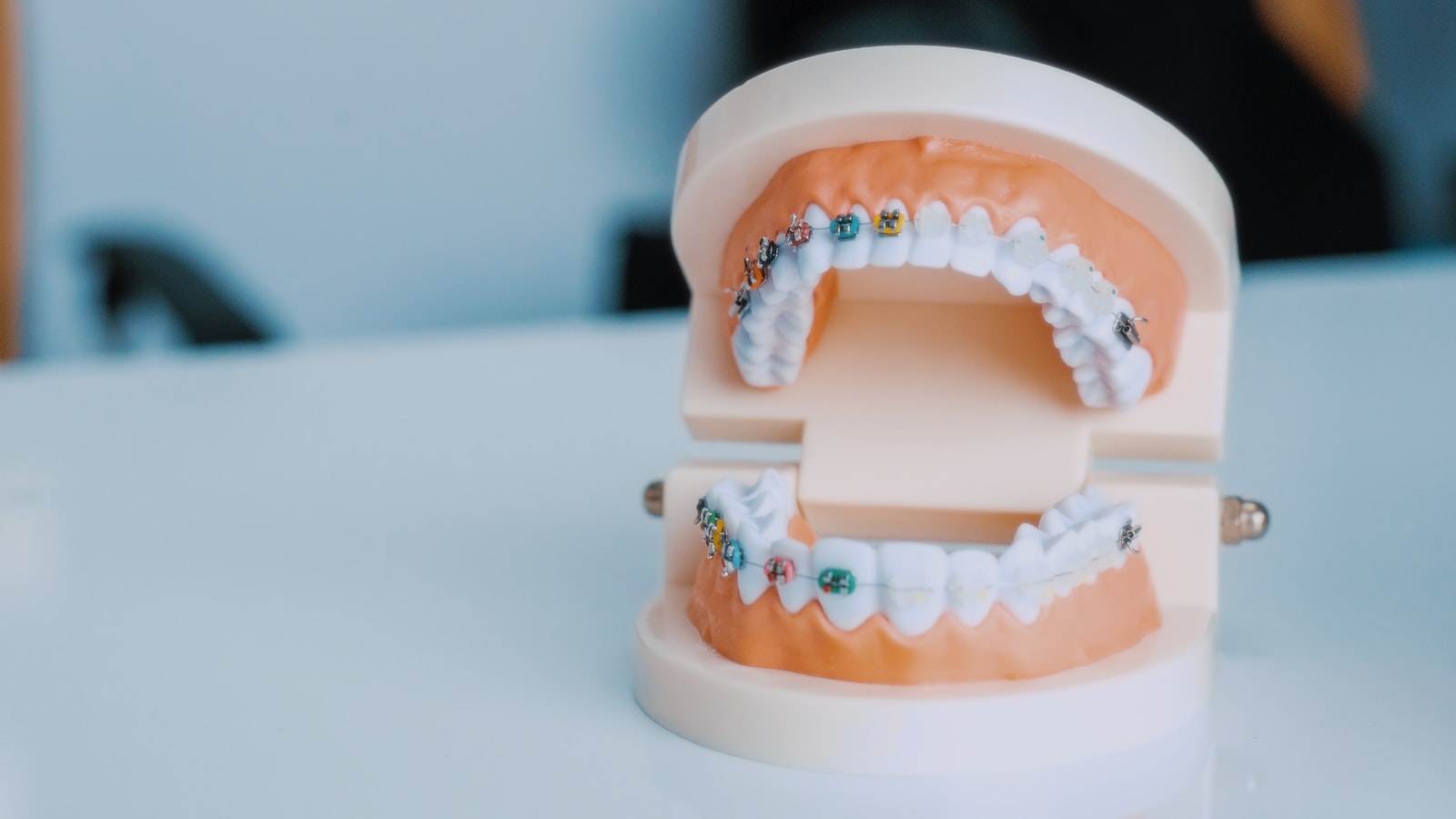
No-prep versus traditional veneers
| Feature | No-prep veneers (e.g. Lumineers) | Traditional prep veneers |
|---|---|---|
| Enamel removed | Little or none | A thin layer, often around 0.5 mm |
| Reversibility | Sometimes reversible | Not reversible |
| Anaesthetic | Often not needed | Often used |
| Masking dark teeth | Limited | Better |
| Best for | Smaller, lighter teeth; minor reshaping | Shade changes, larger reshaping |
| Risk of a bulky look | Higher if teeth are already full | Lower |
Who no-prep veneers suit
No-prep veneers tend to work best when the teeth are slightly small or worn, set back a little, and reasonably light in colour. In those situations the added thickness fills out the smile without looking heavy. Good candidates often want to:
- Close small gaps or even out minor size differences
- Improve the shape of teeth that are slightly short or worn
- Make a conservative change while keeping their own enamel
Where no-prep veneers fall short
Being honest about the limits is what separates a good cosmetic result from a disappointing one. Because a no-prep veneer adds a layer rather than replacing one, it can look bulky on teeth that are already a normal size or that sit forward. It also struggles to hide a dark or discoloured tooth, because a wafer-thin shell does not block much underlying colour. And it cannot straighten significantly crooked or crowded teeth; for that, orthodontics such as clear aligners is usually the better starting point. If your teeth are dark, heavily restored, or crowded, traditional veneers, crowns, or aligning the teeth first will often give a better outcome. Our crowns versus veneers guide covers that decision.
How long do they last and how do you care for them?
Well-made no-prep veneers can last a long time, often in the range of 10 to 20 years, though this depends on the bond, your bite, and your habits. Because the natural tooth underneath is largely intact, a failed or chipped no-prep veneer is sometimes easier to manage than a failed traditional veneer. Care is the same as for any veneer: brush and floss normally, avoid biting hard objects, and wear a night guard if you grind. Our guide to caring for veneers has the full routine.
General cost in Australia
Veneers are priced per tooth and vary with the material and the laboratory. The figures below are general market ranges, not a quote.
| Option | Typical Australian range (per tooth) | Notes |
|---|---|---|
| No-prep porcelain veneer (e.g. Lumineers) | $1,200 to $2,500 | Brand-name systems can sit at the higher end |
| Traditional porcelain veneer | $1,500 to $2,500+ | More control over shade and shape |
| Composite (direct) veneer | $300 to $800 | Lower cost, shorter lifespan |
The team at Lumi Dental does not list its own prices here. For current options and a written quote, see our current offers or our cosmetic bonding and veneers page.
Frequently asked questions
Are Lumineers and no-prep veneers the same thing?
Lumineers is a brand of no-prep veneer. All Lumineers are no-prep veneers, but not all no-prep veneers are Lumineers. Several laboratories make thin veneers that need little or no preparation.
Are no-prep veneers really reversible?
They can be, because little or no enamel is removed. In practice, removing bonded porcelain still requires professional work and the result is not always perfectly identical to your original tooth, so treat reversibility as a relative advantage rather than a guarantee.
Will no-prep veneers look bulky?
They can if your teeth are already a normal size or sit forward, because the veneer adds thickness. On smaller or set-back teeth they look natural. A trial smile or digital preview helps you judge this before committing.
Can no-prep veneers cover a dark tooth?
Not well. A thin shell does not block much underlying colour, so very dark teeth usually need a thicker traditional veneer, internal whitening, or a crown. A consultation will tell you what your teeth need.
The bottom line
No-prep veneers and Lumineers are an appealing, conservative way to improve a smile when the teeth are suited to them. They keep your enamel and can sometimes be reversed, but they are not a universal answer and can look bulky or fall short on dark or crowded teeth. The right choice comes from matching the option to your teeth, not the marketing. The team at Lumi Dental in Melrose Park can assess whether no-prep or traditional veneers suit you. See our current offers to book a consultation.

