


Rapid and slow palatal expansion are two ways of widening a narrow upper jaw using an expander fixed to the upper teeth, and the difference is the pace at which the device is activated. Rapid expansion turns the screw quickly over a few weeks, while slow expansion applies a gentler force over months. In children and young teenagers, research suggests both can produce similar skeletal widening, so the deciding factor is usually age and the state of the growth line in the palate, not the speed alone.

Key takeaways
- Both rapid and slow palatal expansion widen a narrow upper jaw using an expander on the upper teeth.
- Rapid expansion activates the screw quickly over weeks, slow expansion uses gentler force over months.
- In children, research suggests both achieve similar skeletal widening, so age matters more than speed.
- It works best before the mid-palatal growth line fuses, generally up to around 15 years of age.
The one factor that decides it: age and the palatal suture
The single most important thing in palatal expansion is not rapid versus slow, it is whether the growth line down the middle of the palate, the mid-palatal suture, is still open. In younger children this suture has not fused, so an expander can genuinely widen the bone. Research shows early maturation stages are mostly seen up to around 13 years, and expansion works best generally before about 15. After the suture fuses, an ordinary expander mostly tips the teeth rather than widening the bone, and a surgical or bone-screw-assisted approach may be needed instead.
What rapid palatal expansion is
Rapid maxillary expansion uses a fixed expander, usually turned once or twice a day for two to four weeks. The quick force is designed to separate the mid-palatal suture before the surrounding bone can resist, which can create a visible gap between the front teeth that closes naturally as the bone fills in. After active expansion, the device is left in place for several months to let new bone form and stabilise the result.
What slow palatal expansion is
Slow expansion applies a lighter force, with the screw turned less often, over a longer period of months. The idea is that gentler, more physiological force may be better tolerated by the suture and tissues. Studies comparing the two in growing patients suggest slow expansion produces skeletal-versus-dental movement broadly equal to rapid expansion, so the end result can be similar even though the journey is slower.
| Feature | Rapid expansion | Slow expansion |
|---|---|---|
| Activation | Once or twice daily for 2 to 4 weeks | Less often, over several months |
| Force | Heavier, faster | Lighter, gradual |
| Front-tooth gap | Common, closes later | Less pronounced |
| Skeletal result in children | Effective before suture fuses | Broadly similar in children |
| Retention phase | Several months | Several months |
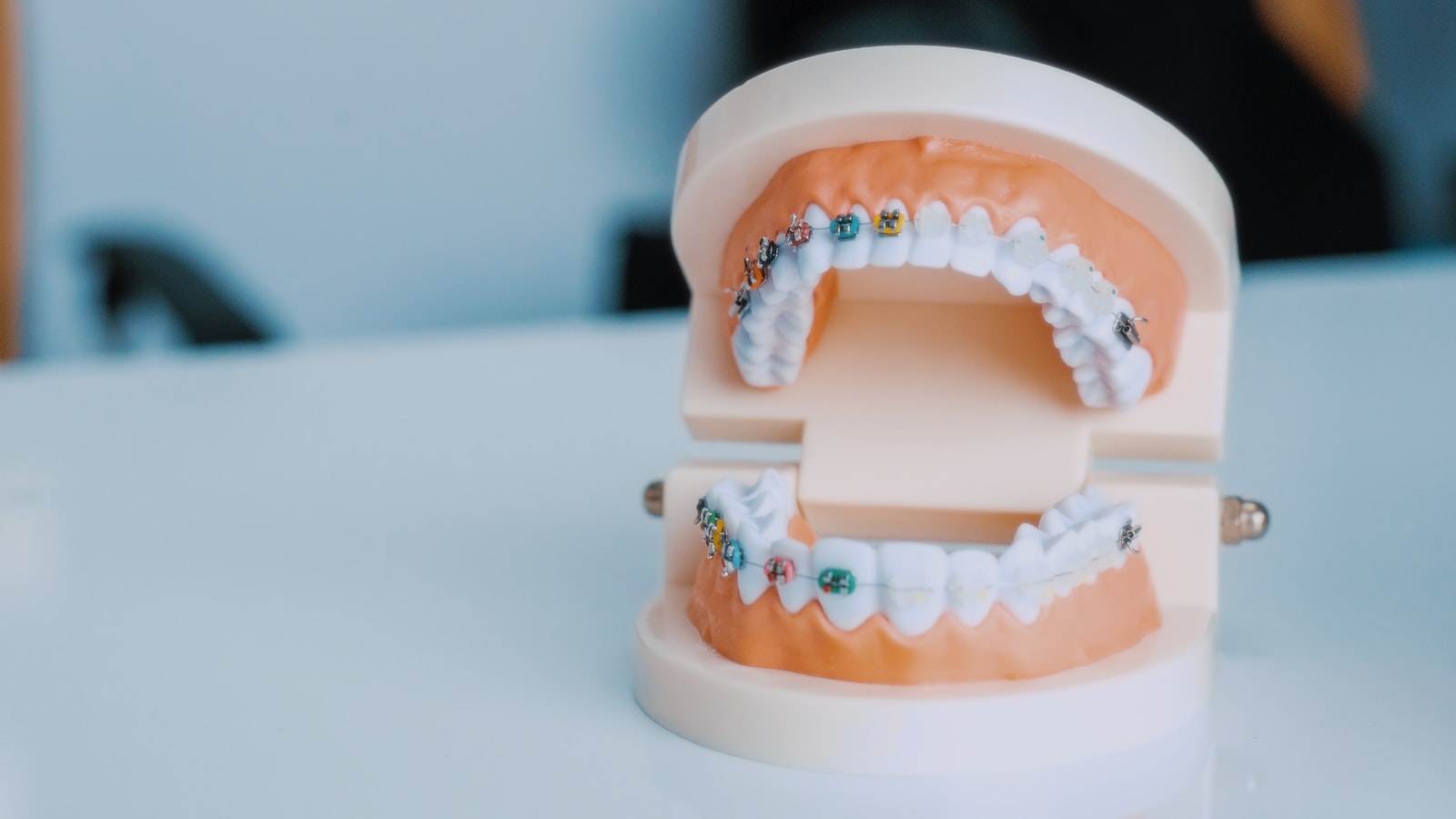
Why widen the upper jaw at all?
A narrow upper jaw can cause a crossbite, where the upper back teeth bite inside the lower ones, as well as crowding and, in some children, contribute to mouth breathing. Widening the jaw can correct a crossbite, create room so teeth need fewer extractions later, and is often a first stage before braces. It is one of the reasons orthodontists like to assess children early, while the suture is still open and expansion is straightforward. Our guide to straightening crooked teeth explains how expansion fits into a wider plan.
What about older teenagers and adults?
In older teenagers and adults the suture is usually fused, so a standard expander mostly tips teeth rather than moving bone, and outcomes are less predictable, particularly in males where studies show lower rates of suture separation with age. For these patients, options include miniscrew-assisted expanders or surgically assisted expansion. This is why a scan to assess the suture is sensible before deciding. Expansion is sometimes combined with growth guidance from appliances like a twin block or with headgear depending on the bite.
General cost and what to expect
Expansion is usually one part of an orthodontic plan, and total costs depend on the complexity and length of treatment. We do not list our own prices here. You can view current options on our deals and pricing page or request a written quote at a consultation.
Frequently asked questions
Is rapid or slow expansion better?
In growing children, research suggests both achieve similar skeletal widening, so the choice often comes down to the orthodontist's plan and your child's situation rather than speed alone.
Does palatal expansion hurt?
There is usually a feeling of pressure after each turn, especially with rapid expansion, which settles within minutes to hours. It is described as pressure rather than sharp pain.
Why is there a gap between the front teeth?
A gap can appear during rapid expansion as the palate widens. It usually closes on its own as the bone fills in and the teeth settle.
What age is best for an expander?
Generally before the mid-palatal suture fuses, which is usually up to around 15 years. Earlier assessment lets the orthodontist time it well.
Can adults have palatal expansion?
Adults can, but because the suture is usually fused, a standard expander mostly tips teeth. Miniscrew-assisted or surgically assisted expansion is often needed for a true skeletal change.
When to see a dentist
If your child has a crossbite, a narrow smile, or crowding, an early orthodontic assessment will show whether expansion suits and when to start. The team at Lumi Dental can assess your child and plan or refer appropriately. Book through our contact page.
This article is general information and is not a substitute for individual advice. An orthodontic assessment is the best way to plan treatment for a child.

