


Sensitive teeth after whitening are common and normally temporary, usually at their worst in the first 24 to 48 hours and settling within about a week. The bleaching gel used in both professional and at-home whitening temporarily makes the enamel more permeable, which lets hot, cold, and air reach the nerve more easily than usual. Some studies report that more than half, and in some cases up to around three-quarters, of people who whiten their teeth notice some sensitivity, so if you have felt a twinge after a whitening session, you are far from alone.
Key Takeaways
- Whitening sensitivity happens because bleaching gel temporarily increases enamel permeability, letting stimuli reach the nerve more easily.
- Sensitivity is usually worst in the first day or two and eases steadily over two to five days, typically resolving within a week.
- In-chair, at-home tray, and whitening strip methods all carry some sensitivity risk, though the pattern and intensity can differ between them.
- Desensitising toothpaste containing potassium nitrate, along with fluoride, is a well-studied way to reduce whitening-related sensitivity.
- Sensitivity that is severe, lasts well beyond a week, or is focused on a single tooth rather than spread across several, can signal an existing cavity or crack rather than ordinary whitening sensitivity.
Why whitening makes teeth temporarily sensitive
Whitening products work using peroxide-based gels (either hydrogen peroxide or carbamide peroxide, which breaks down into hydrogen peroxide) that penetrate the enamel to break apart the stain compounds sitting deeper in the tooth. As the gel does this, it temporarily increases the permeability of the enamel and dentine, essentially opening up microscopic channels that normally help protect the nerve inside the tooth from everyday temperature changes. With those channels more open than usual, hot drinks, cold air, and even normal breathing can reach the nerve more directly, which is what produces that sharp, short-lived zing.
This effect is temporary. Once the gel is no longer active and the tooth has had time to settle, the enamel's normal protective function returns and sensitivity fades. Coffee, tea, and other staining habits are one of the main reasons people consider whitening in the first place. If that sounds familiar, our article on how to stop coffee staining your teeth has practical everyday tips.
| Time after whitening | What is typically happening | What sensitivity usually feels like |
|---|---|---|
| 0 to 24 hours | Enamel permeability is at its highest, nerve is most exposed | Often the most noticeable, especially with cold air or drinks |
| 24 to 48 hours | Permeability starting to reduce as the tooth settles | Still present for many people, but usually a little milder |
| 2 to 5 days | Enamel gradually returning toward its normal protective state | Steadily easing, brief twinges rather than constant discomfort |
| Around a week | Most people are back to their usual baseline | Little to no sensitivity for the majority of people |
| Beyond a week | Not typical for straightforward whitening sensitivity | Worth a dental check to rule out another cause |
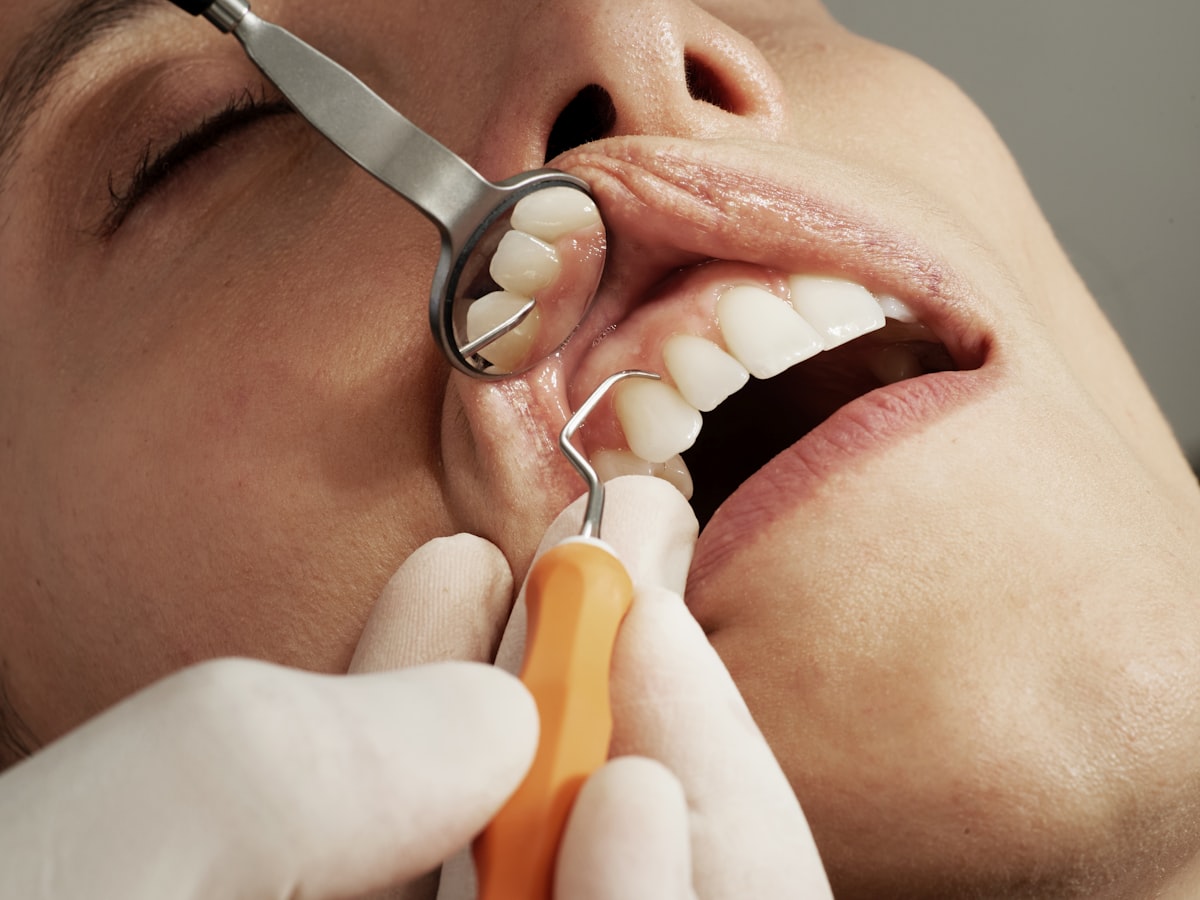
In-chair, at-home tray, and whitening strips: how sensitivity compares
All whitening methods use peroxide in some form, so all of them carry some sensitivity risk, but the intensity and pattern can differ depending on how the gel is delivered and how concentrated it is.
| Method | General sensitivity pattern | Why |
|---|---|---|
| In-chair professional whitening | Can feel more intense but usually short-lived, easing within a day or two | Uses a higher-concentration gel over a shorter session, often with a light or heat source |
| At-home custom tray whitening | Milder per session, but can build up slightly over consecutive nights | Lower-concentration gel worn for longer periods, repeated over consecutive days |
| Over-the-counter whitening strips | Variable, ranges from minimal to noticeable depending on product strength | Concentration and fit vary widely between brands, and fit against the gum line is less precise than a custom tray |
None of these patterns are fixed, since individual tooth sensitivity, enamel thickness, and any existing dental issues all play a role too. If you are also managing braces alongside a whitening routine, our article on whitening teeth while wearing braces covers that specific situation.
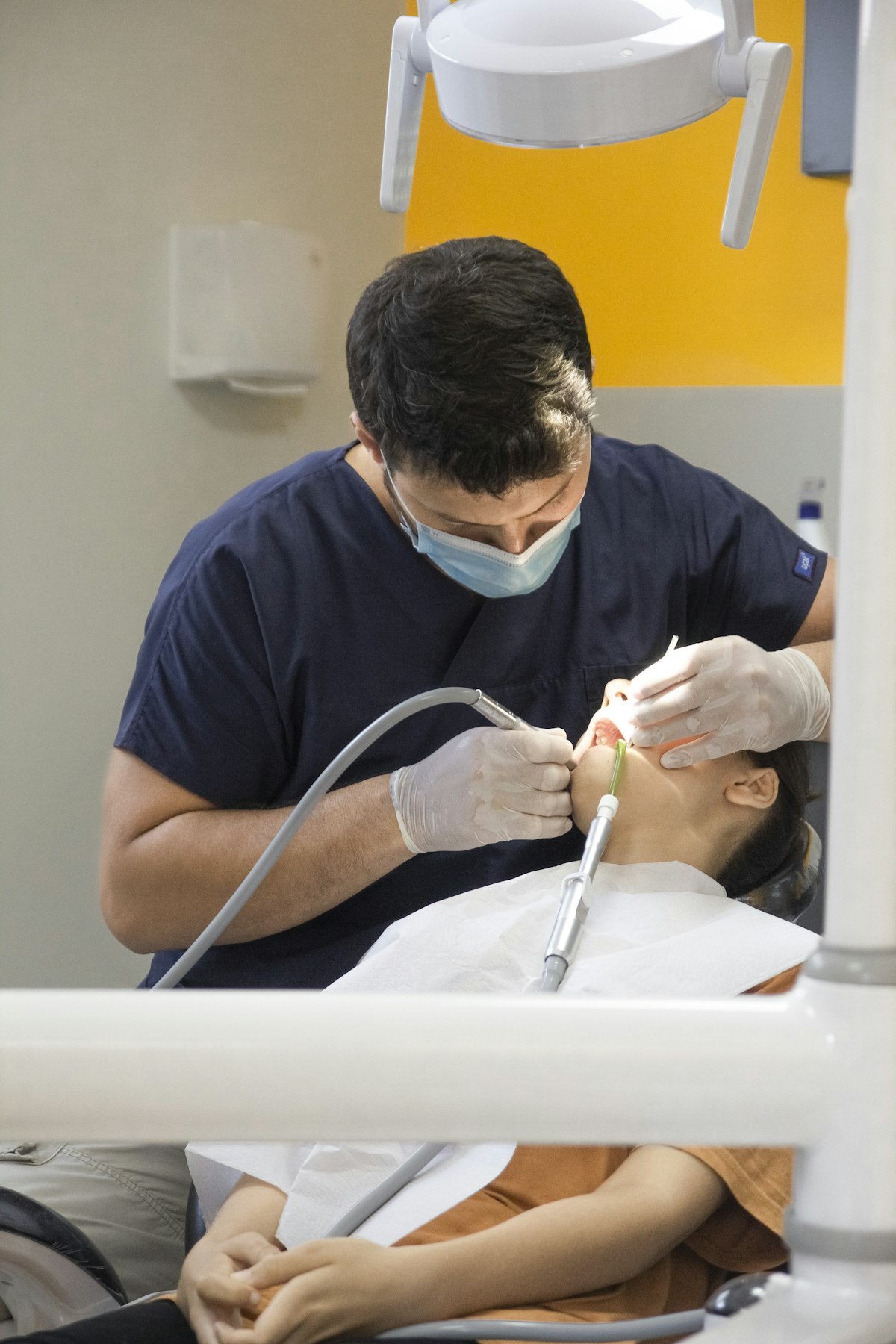
Managing sensitivity: desensitising toothpaste and fluoride
A few well-studied approaches can reduce whitening-related sensitivity, both before and after treatment:
- Potassium nitrate toothpaste. This works by calming the nerve fibres inside the tooth, reducing how easily they transmit a pain signal. Some research suggests even a short exposure of ten to thirty minutes can meaningfully reduce sensitivity for many people, while using it consistently in the lead-up to whitening builds a more lasting effect.
- Fluoride gel or rinse. Fluoride helps support the enamel's mineral structure, which can reduce how exposed the nerve feels during the sensitive window after whitening.
- Spacing out sessions. For at-home tray whitening, spacing sessions a day apart instead of doing them back to back gives the tooth more recovery time between exposures.
- Avoiding extremes of temperature for a day or two. Lukewarm rather than icy or very hot food and drink reduces how much the exposed nerve gets triggered while the enamel is settling.
Using a desensitising toothpaste for a week or two before starting whitening is a simple, low-effort way to reduce how much sensitivity you notice once treatment begins. If you're exploring a broader smile makeover rather than whitening alone, our guide to digital smile design explains how a full plan is put together.
When sensitivity signals something else
Ordinary whitening sensitivity is usually spread across several teeth, matches the timeline above, and steadily improves rather than staying the same or worsening. A few patterns are worth a dental check rather than waiting out:
- Sensitivity focused intensely on a single tooth rather than spread across several.
- Pain that is sharp, throbbing, or lingers well after the trigger (hot, cold, or sweet) is removed.
- Sensitivity that is still present or getting worse after a week or two rather than easing.
- Any visible crack, chip, or dark spot on the tooth that seems more obvious once your teeth are whiter.
Whitening can sometimes make an existing but previously unnoticed issue, such as a small cavity, an old filling with a marginal leak, or a hairline crack, more obvious, simply because the tooth is more exposed and you are paying closer attention to it. This is not caused by the whitening itself but is worth ruling out with a check-up rather than assuming it will settle on its own. Not sure whether a general dentist or a cosmetic-focused dentist is the right person to see about this? Our article on the difference between a general dentist and cosmetic dentist explains how the two roles overlap.
Common Questions
Is it normal for teeth to hurt after whitening?
Mild to moderate sensitivity is a common and expected response to whitening for many people, typically easing within a few days to a week. Severe pain or pain that does not improve is not typical and is worth checking.
How long does sensitivity last after in-chair whitening specifically?
For most people, in-chair sensitivity is most intense in the first 24 to 48 hours and settles substantially within a few days, though everyone's timeline varies slightly.
Can I prevent sensitivity before it starts?
You cannot eliminate the risk entirely, since it is a normal response to the whitening process, but using a potassium nitrate toothpaste in the lead-up to treatment and following your dentist's spacing recommendations for at-home trays can meaningfully reduce it.
Do whitening strips cause less sensitivity than professional whitening?
Not necessarily. It depends on the strip's concentration and how well it fits your teeth. Some over-the-counter strips can cause just as much irritation as professional methods, particularly if they overlap the gum line.
Should I stop whitening if my teeth become sensitive?
Mild, expected sensitivity that fits the usual pattern does not necessarily mean you need to stop, though spacing out sessions or using a desensitising toothpaste can help. Sharp, severe, or single-tooth sensitivity is a reason to pause and get it checked before continuing.
Does sensitivity mean the whitening is working?
Not directly. Sensitivity relates to how the gel affects your enamel and nerve, not to how well the whitening result is progressing. Some people get a strong result with minimal sensitivity, and others notice more sensitivity for a comparatively subtle change.
If you are considering whitening, or you have sensitivity that is not settling the way you would expect, the team at Lumi Dental can talk through what approach and timeline would suit your teeth. Book a complimentary cosmetic consult or learn more about teeth whitening at Lumi Dental.
This article is general information and doesn't replace an individual dental assessment.


