

Clip-on veneers do one job: they change how your front teeth look while they are in your mouth. Take them out and your own teeth are exactly as they were, for better or worse. That makes them a reasonable option for some short-term situations and a poor one for anyone hoping to fix a dental problem.
Whether one suits you comes down to three things: what you want it for, what state your own teeth are in, and how long you expect to wear it.
A shell that sits over your teeth
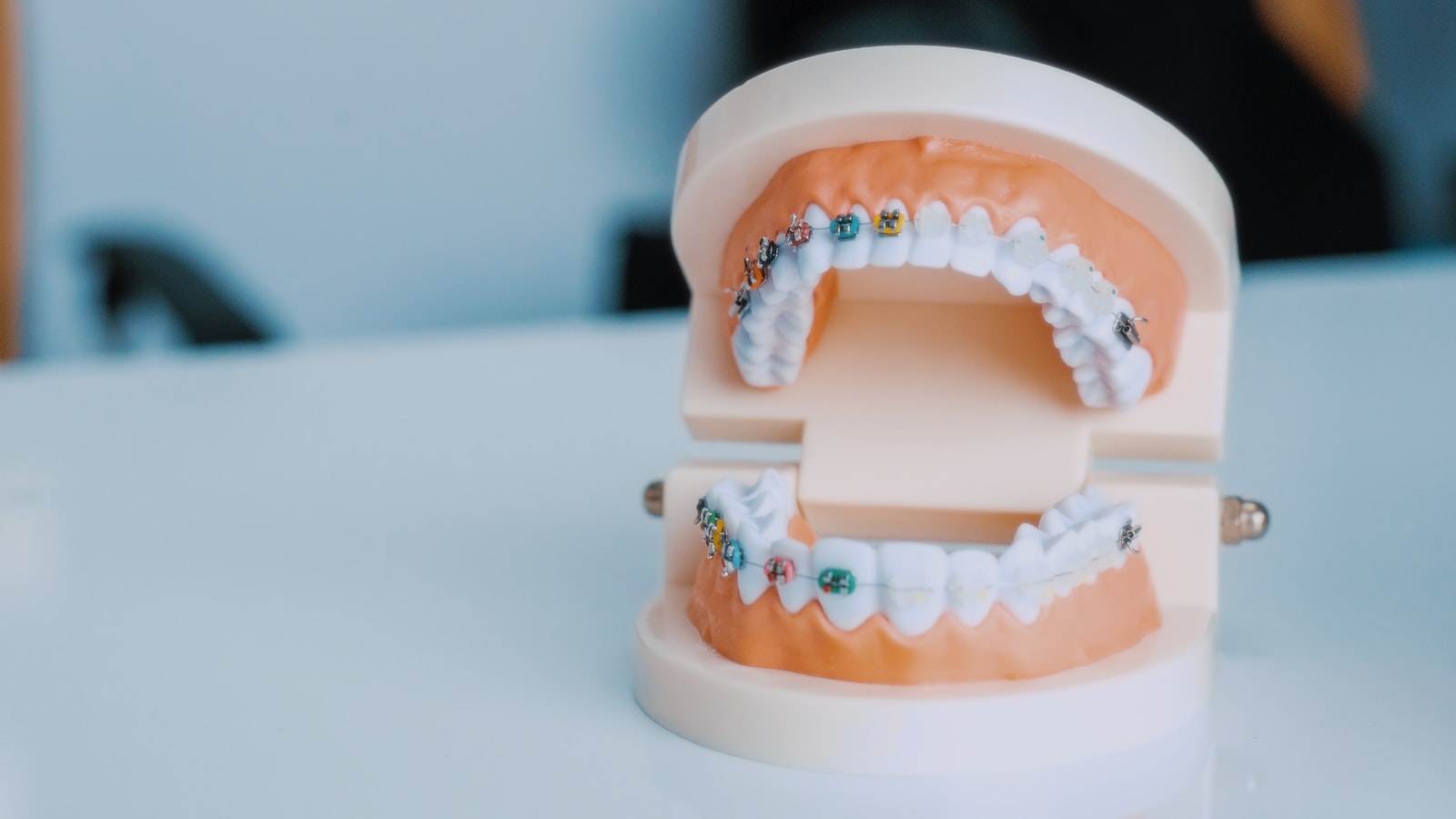
A clip-on veneer, also sold as a snap-on smile, is a single piece of tooth-coloured resin moulded in the shape of a row of teeth. It grips the natural teeth and covers them from the gum line to the biting edge. A version made through a dentist starts with a scan or impression so the shell follows your arch and bite. Many people take it out to eat, and it always needs to come out for cleaning.
Nothing is drilled, bonded or reshaped, which is the main attraction and also the main limitation. Bonded veneers become part of the tooth after it has been prepared, and composite bonding adds resin directly to it. A clip-on stays a separate object. Our article on crowns and veneers explains how the bonded options work.
Situations where a clip-on can make sense
For a wedding, a set of photos or a one-off occasion, a well-fitting clip-on can give a fuller-looking smile without any permanent change. Some people also use one as a way to test whether they like the look of longer or whiter teeth before considering bonded work, although a trial smile made from a planned design is a more accurate preview of treatment.
A clip-on can also be a stopgap when permanent treatment is not affordable right now, as long as the teeth underneath are healthy and are still being checked and cleaned.
Situations where it is the wrong tool
A shell over the teeth does not straighten, strengthen or repair them. If a tooth is decayed, cracked, loose or sore, covering it hides the problem while it continues. Gum disease, a bite that does not meet properly, worn teeth from grinding and missing teeth all need treatment of their own.
Clip-ons also add thickness. Teeth can look and feel bulkier, speech may change for a while, and the shell can hold plaque against the teeth and gum margins if it is not cleaned carefully. Kits made from impressions you take at home may fit less well than shells made from a professional scan, and a poor fit can add to comfort and gum problems.
Clip-ons beside the lasting options
| Option | Changes to your teeth | Reversible | Treats the tooth | Expected life |
|---|---|---|---|---|
| Clip-on veneer | None | Yes | No, covers it | Temporary; the resin wears and stains |
| Composite bonding | Little or none | Largely | Repairs chips, gaps and shape | Several years, with polishing and repairs |
| Porcelain veneers | Usually light preparation | No | Reshapes and covers the front surface | Many years with good care |
| Orthodontics | None to the tooth surface | Not applicable | Moves the teeth themselves | Lasting, with a retainer |
For chips or small gaps, read composite bonding versus veneers. For crowding or rotated teeth, our guide to straightening crooked teeth covers braces and clear aligners.
What each option typically costs
Clip-on veneers generally cost less than bonded cosmetic work, and prices vary widely between home kits and shells made through a dentist. For the lasting options, typical Australian market ranges are:
| Treatment | Typical market range |
|---|---|
| Composite bonding | $250 to $800 per tooth |
| Porcelain veneers | $1,500 to $2,500 per tooth |
These are general market ranges, not Lumi fees or a quote. The team at Lumi Dental can examine your teeth and give you a written plan for any lasting option, and our current deals page shows how to book a free cosmetic consult.
What people ask about clip-on veneers
Do I need to take them out to eat?
It depends on the product, so follow the instructions for yours. Some makers say light eating is possible, but chewing can damage the resin and pushes food under the shell against your teeth, so many people take them out for meals.
Can they harm my own teeth?
Not by themselves, but plaque held under a shell that is worn for long periods can contribute to decay and gum inflammation. Clean both the shell and your teeth before putting it back in.
Will people be able to tell?
Up close, often. A single moulded piece rarely has the variation and translucency of natural teeth or well made bonded veneers, and thickness near the gums can show.
Can a clip-on replace treatment I have been putting off?
No. Decay, gum disease, cracked teeth and crowding need to be treated. Covering them can let them progress unnoticed.
If you want a change that lasts, a dentist can look at the health of your teeth first and explain which options would suit you. Book through our current deals page to talk it through with the team at Lumi Dental.