



Snap-on veneers are a removable shell that clips over your existing teeth to give the look of a fuller, whiter smile, with no drilling and no permanent change. They have become popular through social media because they are cheap and instant. The honest picture is more mixed: a well-made set has a place for specific situations, but the cheap online versions carry real risks, and none of them are a substitute for fixing teeth properly.
The single most important thing to understand is the difference between a custom set made by a dentist and a generic mail-order tray, because that difference changes everything about safety and comfort.
Key takeaways
- Snap-on veneers are a removable arch of false teeth that clips over your natural teeth.
- They are non-invasive and reversible, with no drilling of your own teeth.
- Generic online versions often fit poorly and can irritate gums, trap plaque, and affect your bite.
- They are best thought of as a cosmetic, temporary cover, not a treatment for decay or missing teeth.
- For a lasting result, bonded composite, porcelain veneers, or a denture are the dentist-supervised alternatives.
How snap-on veneers work
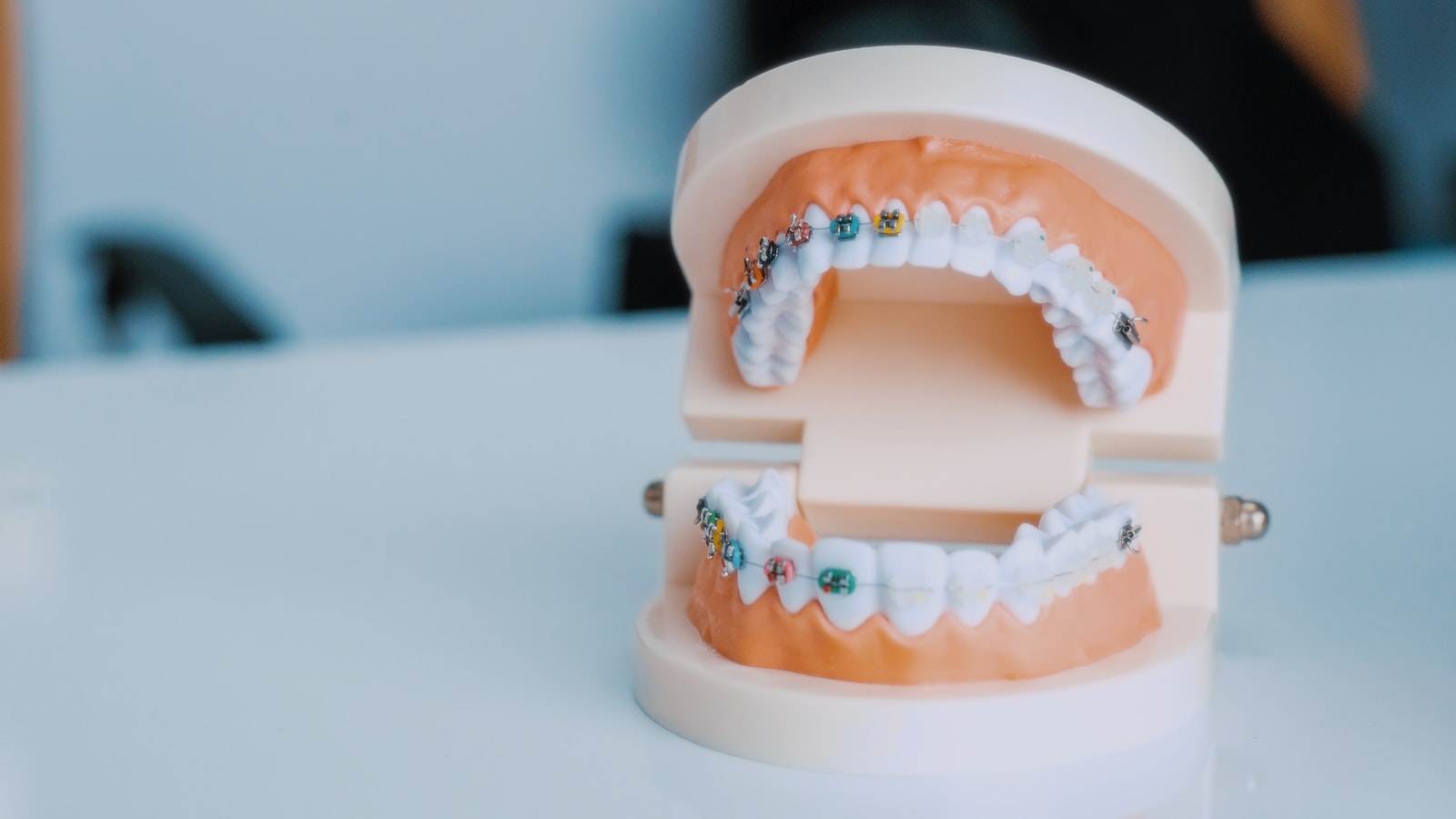
A snap-on veneer is a thin, horseshoe-shaped shell, usually resin, that sits over the front teeth and clips into place. Custom versions are made from an impression or scan of your teeth so they fit your arch, while generic versions come in standard sizes and rely on a rough fit. You put them in for an event or a photo and take them out to eat and sleep. Because they simply cover the teeth, they change nothing underneath.
The genuine pros
- No drilling and fully reversible, so your natural teeth are untouched.
- Painless and quick, with no anaesthetic.
- Far cheaper than permanent cosmetic work.
- Useful as a very temporary option for someone missing or with damaged front teeth who wants a short-term cover.
The risks dentists warn about
Most of the problems come from poor fit, which is why the online versions attract the strongest warnings.
Gum irritation and recession
The edges of an ill-fitting veneer rub against the gums, causing soreness, inflammation, and over time recession. A custom set reduces this risk but does not remove it.
Plaque, decay, and bad breath
Unlike a bonded veneer, a clip-on leaves a space where it meets the tooth, and that space traps plaque and food. Worn for long periods without scrupulous cleaning, that raises the risk of decay and gum disease underneath, and can cause bad breath.
Bite and jaw strain
A bulky shell sits between your teeth when you bite, which can make the bite feel off and, with prolonged wear, contribute to jaw discomfort.
A less natural look
Because they cover the teeth in a single moulded piece, snap-on veneers rarely look as natural as bonded or porcelain work, and thickness at the gum line can be noticeable up close.
How they compare with lasting options
| Option | Drilling? | Permanent? | Best for |
|---|---|---|---|
| Snap-on (clip-on) | No | No, removable | Very short-term cosmetic cover |
| Composite bonding | Minimal or none | Yes, years | Chips, small gaps, single teeth |
| Porcelain veneers | Usually some | Yes, many years | A lasting full smile change |
| Denture | No | Removable, custom | Replacing missing teeth properly |
If your goal is a permanent improvement, our guides to composite bonding versus veneers and no-prep veneers explain the dentist-supervised routes, and how long veneers last sets realistic expectations.
If you do want to try them, do it safely
Have a set made by a dentist from an impression or scan rather than buying a generic online kit, keep wear to short periods, clean both the veneer and your own teeth thoroughly, and never use them to hide a tooth that is decayed, loose, or sore. See a dentist about any underlying problem first.
What it costs
Costs vary widely between cheap online kits and dentist-made sets, and between clip-ons and permanent cosmetic work. As a general guide only, generic online snap-on kits are often advertised in the low hundreds of dollars, while custom cosmetic treatment is a larger investment that reflects its durability. These are general market ranges, not a quote, and the team at Lumi Dental does not list its own prices here. For options and pricing see our current deals page, or book a cosmetic consultation for a written quote.
Frequently asked questions
Do snap-on veneers ruin your teeth?
A well-made set worn briefly and kept clean is unlikely to damage teeth, but poorly fitting kits worn for long periods can irritate gums and trap plaque, raising the risk of decay underneath.
Can you eat with snap-on veneers?
It is generally advised to remove them to eat. They are designed as a cosmetic cover, not a functional chewing surface, and eating with them can damage them and your bite.
How long do they last?
Resin clip-ons are temporary and wear, stain, and loosen over months to a couple of years depending on quality and care.
Are they better than veneers?
No, they are a different thing. Veneers and bonding are permanent, custom, and natural-looking. Snap-ons are a removable, short-term cosmetic cover.
Can a dentist make them?
Yes, and a custom set made from a scan fits far better than a generic kit. A dentist can also tell you whether a permanent option would suit you better.
If you want a smile improvement that lasts, the team at Lumi Dental in Melrose Park can talk through bonding, veneers, and other options. Related reading: composite bonding versus veneers, how long veneers last, and planning a smile makeover.
This article is general information and not a substitute for personal advice from a dentist.

