



Sommelier tooth erosion is driven by acid, not alcohol, and spitting does nothing to prevent it. Wine typically sits somewhere around pH 3.0 to 4.0, which is well below the point at which enamel begins to dissolve. Swirling, holding and assessing a wine keeps that acid against the teeth for far longer than ordinary drinking does, and an Australian study of professional wine tasters reported clinical signs of erosion in roughly half of them compared with about a fifth of a comparison group.
Key Takeaways
- The erosive agent in wine is its acidity, mainly tartaric and malic acid, combined with low calcium and phosphate. Alcohol content is largely beside the point.
- Spitting removes the wine but not the acid contact that already happened, so it protects sobriety rather than enamel.
- Professional assessment technique, holding and swirling, extends contact time well beyond normal drinking.
- Research in both Australian and Norwegian taster groups has found higher erosion prevalence and more severely affected surfaces than in comparison groups.
- Around half the tasters in the Australian study showed no erosive wear, and years in the trade did not predict severity, which suggests real individual variation.
- Brushing immediately after tasting can make wear worse, because enamel is temporarily softened.
Who This Applies To
This is an occupational piece rather than a general drinking one. It is written for sommeliers, winemakers, cellar hands, cellar door staff, wine judges, wine writers, buyers, distributors and bar staff who taste as part of the job. The distinction matters, because the exposure pattern in professional tasting looks nothing like the exposure pattern of someone having two glasses with dinner.
A judge working a show may assess well over a hundred wines in a session. A cellar door host may taste across a full shift. A winemaker may be through barrel samples daily during vintage. In each case the wine is deliberately held in the mouth and moved around, because that is how you assess it. The technique that makes you good at the job is the same technique that maximises acid contact with enamel.
Acid, not alcohol
Enamel begins to demineralise at around pH 5.5. Most table wines sit comfortably below that, often in the 3.0 to 4.0 range, with sparkling wines and some whites at the lower end. The acids involved are primarily tartaric and malic, and wine is also low in the calcium and phosphate that help some other acidic foods behave more gently.
This is why a spit bucket is not dental protection. By the time the wine is spat, the acid has already been in contact with the tooth surface for the duration of the assessment. Erosion is a chemical process that begins on contact.
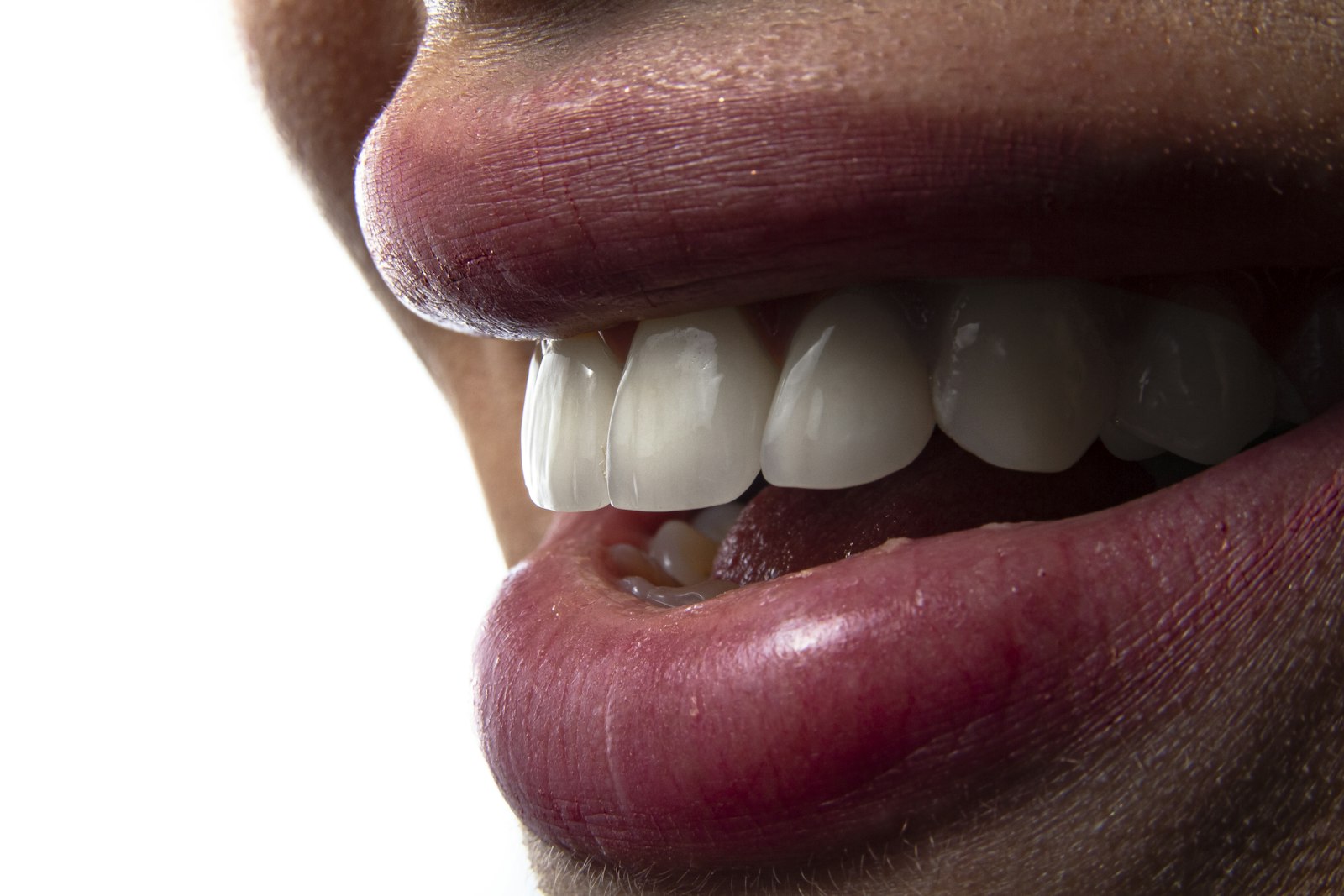
What the Research Suggests
An Australian study of professional wine tasters in South East Queensland reported clinical signs of erosion in about half of the tasters, compared with around a fifth of a comparison group. Dentine involvement, meaning wear deep enough to expose the softer layer beneath enamel, was reported in roughly thirty-nine percent of tasters compared with about seven percent of controls. Norwegian research has pointed in a similar direction, finding higher prevalence and more severely affected surfaces among wine tasters than among controls.
Two details from that Australian work deserve as much attention as the headline figures. First, around half the tasters showed no erosive wear at all. Second, there was no clear relationship between years in the trade and the extent of wear. Taken together, those findings suggest meaningful individual variation in susceptibility, probably reflecting differences in saliva flow and buffering capacity, technique, existing enamel quality, reflux status and other habits.
The honest reading is that professional tasting raises risk at a population level without making erosion inevitable for any given person. That is a good reason to get assessed rather than to assume either the best or the worst.
Erosion and Staining Compound
Red wine stains. That much is not news to anyone in the trade. What is less widely appreciated is how the two problems feed each other.
Freshly acid-softened enamel is more porous and picks up pigment more readily than sound enamel does, so staining after an acid exposure tends to be more pronounced. Meanwhile, as enamel thins through erosion, the yellower dentine underneath shows through more. The result is a colour change that is partly surface staining, which can be cleaned or whitened, and partly structural thinning, which cannot be reversed by whitening at all.
This distinction is worth understanding before spending money on cosmetic treatment, because the two respond very differently.
A Tasting-Day Protocol
The most useful changes are about timing rather than technique. Nobody is going to stop swirling.
| Timing | What to do | Why |
|---|---|---|
| The night before | Brush with a fluoride toothpaste, and use a high fluoride paste if your dentist has recommended one | Builds enamel resistance ahead of the exposure rather than trying to repair afterwards |
| Morning of, before tasting | Brush and floss at least an hour before the first wine | Removes plaque without leaving enamel freshly abraded going into an acid exposure |
| Before the first wine | Eat something containing cheese or another dairy product if practical | Calcium and casein may help buffer acid and are a traditional part of tasting practice for good reason |
| Between flights | Rinse with plain water, or still water if that is what is on the table | Dilutes and clears acid without adding more. Sparkling water is itself mildly acidic |
| Between flights | Chew sugar-free gum if it does not interfere with palate | Stimulates saliva, which is the body's own buffering and remineralising system |
| Immediately after tasting | Do not brush. Rinse with water and wait | Enamel is temporarily softened after acid exposure, and brushing can abrade it away |
| Around 30 to 60 minutes after | Then brush with a fluoride toothpaste and a soft brush | Gives saliva time to reharden the surface before any mechanical cleaning |
| Ongoing | Keep regular dental checks and mention your occupation explicitly | Early erosion is easier to monitor and manage than late erosion is to restore |
A word on the rinsing point, because it causes confusion. Rinsing with water after acid exposure is helpful. Rinsing with an acidic sparkling water is less so. And rinsing with an alcohol-based mouthwash can dry the mouth, which is the opposite of what you want at that moment.
Early Signs Worth Getting Checked
Erosion is gradual and often painless until it is well advanced, which is exactly why it gets missed. These are the things worth looking for or asking about:
- Cupping on the biting surfaces of molars. Small shallow depressions where the cusps should be, sometimes with a filling standing slightly proud of the surrounding tooth.
- Translucency at the edges of the front teeth. The incisal edges start to look glassy or slightly see-through as enamel thins.
- Teeth looking shorter. Particularly noticeable on the lower front teeth, and often first spotted in photographs.
- Sensitivity to cold air or cold drinks. A sign dentine may be exposed.
- A smooth, glazed look replacing the normal surface texture of the enamel.
- Edges chipping more easily than they used to.
The same mechanism turns up in other settings, and the parallels are instructive. Swimmers exposed to poorly balanced pool water face a very similar chemical process, described in the article on saltwater and chlorine tooth erosion. So does anyone with stomach acid reaching the mouth, covered in acid reflux and your teeth. Reflux is worth ruling out in wine professionals specifically, because late finishes, late meals and alcohol can all contribute to it, and an undiagnosed reflux problem sitting on top of occupational acid exposure is a difficult combination for enamel.
Whitening When You Taste for a Living
This comes up constantly, and it deserves a straight answer rather than a sales pitch.
Whitening can lighten intrinsic tooth colour, and many people are happy with the result. For wine professionals there are three honest caveats.
First, staining will return. If red wine goes in your mouth daily, pigment will continue to be deposited. Whitening is not a one-off fix in this context, and anyone who tells you otherwise is not being straight with you. Most people in the trade who whiten will want some form of periodic top-up, and that is a normal part of the arrangement rather than a failure.
Second, sensitivity risk is higher on eroded enamel. Peroxide-based whitening commonly causes temporary sensitivity even in sound teeth. Where enamel is already thin and dentine is partly exposed, that sensitivity can be more pronounced. This is a reason to have erosion assessed before whitening rather than after.
Third, whitening does not address wear. If teeth look darker because enamel has thinned and dentine is showing through, bleaching the tooth will have a limited effect on the underlying appearance. In that situation the conversation is a different one, about protecting what remains and, where appropriate, restoring worn surfaces.
The practical sequence is usually: get the erosion assessed and stabilised, address any reflux or saliva issue, then consider cosmetic options. The article on whitening for coffee and wine stains goes into the difference between surface staining and intrinsic colour in more detail.
On cost, general Australian market ranges are roughly six hundred to twelve hundred dollars for in-chair whitening and around three hundred to six hundred dollars for a custom-tray take-home kit, with considerable variation between practices. For someone tasting professionally, take-home trays are often the more practical arrangement because top-ups can be managed at home.
Common Questions
Does spitting protect my teeth?
No. Spitting limits alcohol intake, which is its purpose, but the acid has already contacted the enamel during assessment. The protective measures that matter are rinsing with water afterwards and not brushing straight away.
Is white wine worse for teeth than red?
For erosion, white and sparkling wines are often more acidic, so they can be at least as erosive. For staining, red is clearly the greater contributor. Someone tasting exclusively white wine has less of a colour problem and not necessarily less of a wear problem.
How long should I wait to brush after tasting?
Around thirty to sixty minutes is the common recommendation. Rinse with plain water straight away, then brush once saliva has had time to reharden the softened surface.
Can I use a straw or change my technique?
Not realistically for professional assessment, since the wine has to contact the palate. What can be adjusted is what happens between wines and after the session, which is where most of the achievable protection sits.
Does cheese before tasting actually help?
There is a reasonable basis for it. Dairy provides calcium and phosphate and casein proteins that may help buffer acid and support remineralisation. It is a sensible habit rather than a complete solution.
Should I mention my job to my dentist?
Yes, explicitly. Erosion patterns can be mistaken for grinding or general wear, and knowing you taste professionally changes both the monitoring interval and the preventive advice that makes sense for you.
Where to From Here
Professional tasting is a genuine acid exposure, but the research also suggests it is far from a guaranteed problem, and the protective steps are modest. Timing, rinsing, fluoride and regular monitoring do most of the work. If you have noticed sensitivity, shortening front teeth or staining that no longer cleans off, it is worth having a proper look before deciding what, if anything, to do about appearance. You can book a complimentary cosmetic consult to talk through options with no obligation, or read more about teeth whitening at Lumi Dental. Current offers are listed on the current offers page.
This article is general information only and is not a substitute for individual dental or medical advice. Please speak with a qualified health practitioner about your own circumstances.

