


A back baby molar taken out at age five may have to leave its gap open for five or six years, because the premolar replacing it usually does not arrive until somewhere between ten and twelve. Over that time, the teeth either side can tip and slide into the space. A space maintainer is a small appliance that stops that drift, so there is still room when the adult tooth is ready.
What happens to a gap left alone
Baby teeth hold the line for the adult teeth forming beneath them. When one is lost early, usually to decay or an abscess and sometimes after an injury, the teeth behind it tend to move forward and the teeth in front can tip back. The first permanent molar, which comes through at around six, is especially prone to sliding forward if the baby molar in front of it is missing.
Lost space can mean the adult tooth comes through out of line, gets blocked in the bone, or forces crowding elsewhere. Some of that may later need orthodontic treatment to correct. A maintainer does not guarantee a straight smile, and it will not fix crowding that would have happened anyway, but it can stop one specific, preventable cause of trouble.
Not every early loss needs one
Dentists weigh up a few things before recommending a maintainer:
- Which tooth. Losing a back baby molar is the classic reason. An upper front baby tooth lost early usually causes little space loss once the canines are through, so a maintainer is often not needed there.
- How long until the adult tooth arrives. If the replacement is only months away and already close to the gum, waiting may be fine.
- Whether the adult tooth is present at all. Some children are missing an adult tooth, which changes the plan entirely.
- How the bite and spacing look overall. A child with plenty of spacing may tolerate a gap better than one who is already crowded.
An X-ray, usually a small one or an OPG, shows how far the adult tooth has developed and how much root is still covering it. Research on space maintainers is mostly observational rather than large controlled trials, so the decision rests on the individual child's teeth rather than a fixed rule.
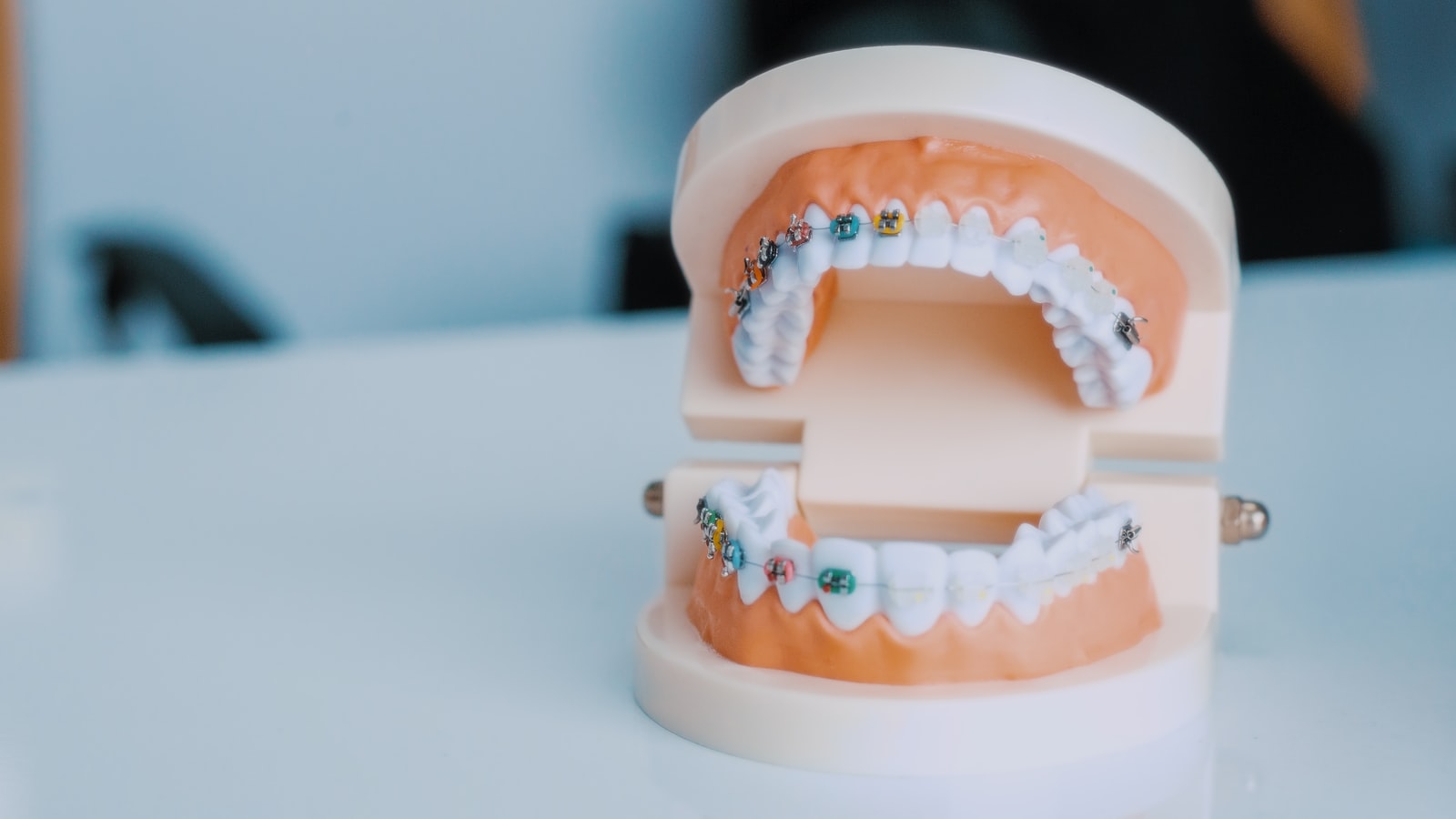
The main designs
Most maintainers for young children are fixed, meaning they are cemented in place and cannot be taken out at home. That matters at this age, since a removable plate left in a lunchbox is not holding any space.
Band and loop. A metal band is cemented around the tooth on one side of the gap, and a wire loop reaches across to touch the tooth on the other side. It is the usual choice when a single back baby molar is lost.
Lingual arch. A wire runs along the inside of the lower teeth, attached to bands on the back molars. It is used when several teeth have been lost, or to hold the whole lower arch. An upper version, sometimes with a small button resting on the palate, does a similar job on the top.
Distal shoe. A less common design used when the last baby molar is lost before the first permanent molar has come through. A small extension sits under the gum to guide the adult molar into the right position as it erupts.
Removable plate. An acrylic plate with clasps, a bit like a retainer. It suits older, reliable children and can carry a false tooth to fill a front gap for appearance.
Living with a maintainer
Fitting a fixed maintainer usually takes two short visits: one to take a scan or impression, and one to cement the appliance. There is usually no need for injections. Most children notice it with their tongue for a few days and then forget about it.
Food and plaque collect around the bands and wire, so brushing there needs extra care, and a parent should help until a child is old enough to clean thoroughly. Toffee, chewing gum and very sticky lollies can loosen the cement, so they are best avoided. If the appliance comes loose, bends or breaks, call the practice soon, since a maintainer that is not attached is not holding the space. The dentist checks it at each visit and removes it once the adult tooth starts to come through.
Our guide to cleaning children's teeth covers brushing technique for younger children.
Keeping baby teeth until their time
Most early losses of baby molars trace back to decay, so prevention is the more useful conversation. Fissure sealants on the grooves of back teeth, described in our article on dental sealants, and fluoride varnish applied at check-ups both help lower the risk. Frequent sugary drinks remain a common cause in young children, which our article on baby bottle tooth decay explains. For the normal timeline of tooth loss, see when baby teeth fall out.
A few common questions
Does it hurt to have one fitted?
Usually not. The bands are pressed around the teeth and cemented, which can feel tight for a short while. Anything that rubs or pokes afterwards should be checked.
Can my child still eat normally?
Yes, for nearly all foods. Avoiding very sticky or hard lollies helps the appliance stay put.
Will my child still need braces?
Possibly. A maintainer protects one space; it does not change jaw size or tooth size. Many children will have an orthodontic assessment later regardless.
If your child has lost a back baby tooth early, or has one that may need to come out, a check-up with a dentist can show whether the space needs holding. See our current family offers or book online.
This article is general information and not a substitute for personal dental advice.








