
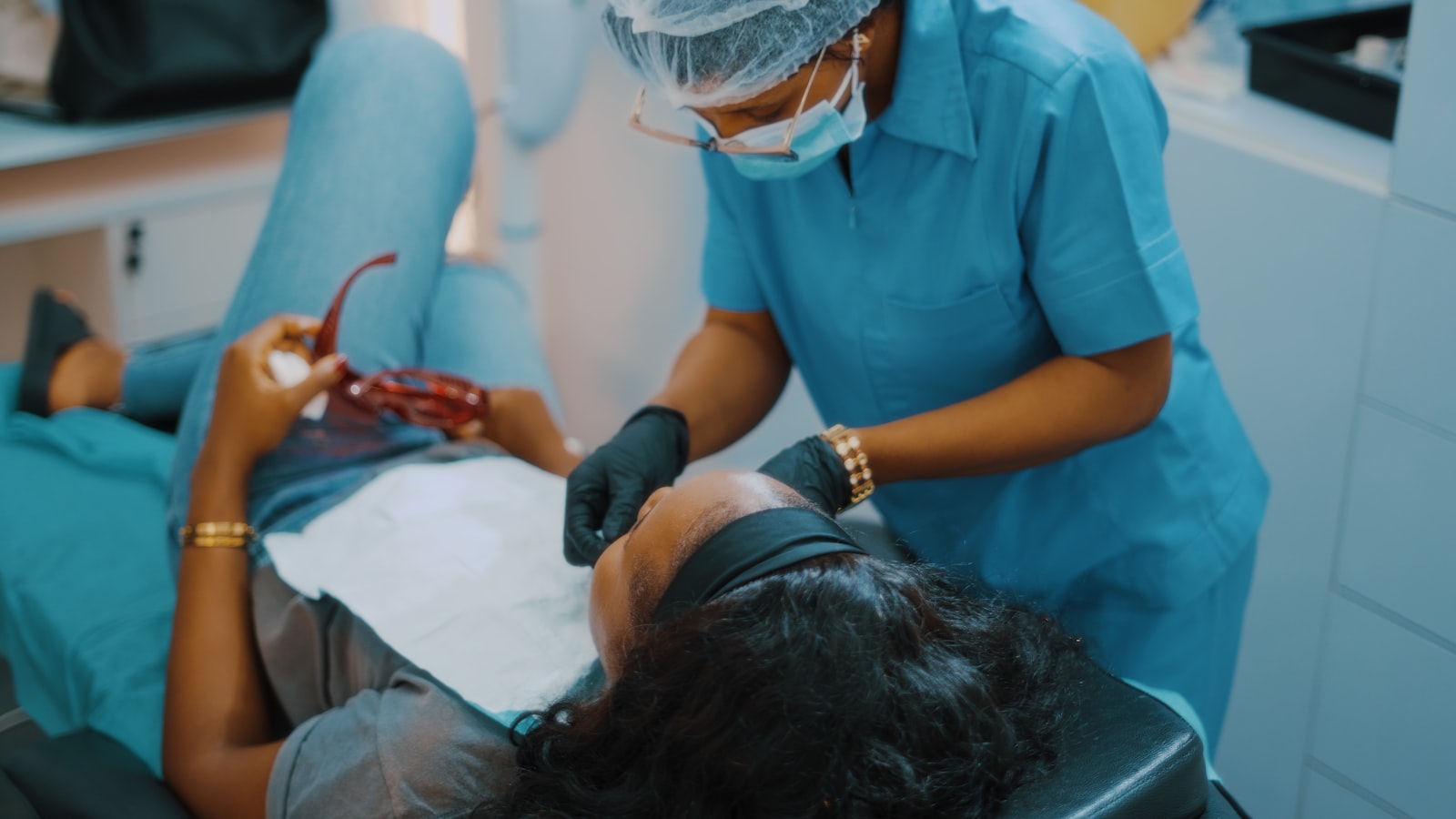

Special needs dentistry is dental care that has been adapted, in pace, environment or communication style, to suit a patient's individual sensory, physical, intellectual or emotional needs, and the right adaptations almost always start with a conversation before the first appointment. That might mean a patient on the autism spectrum who finds bright lights and unfamiliar sounds overwhelming, an older adult living with dementia who needs extra time and simple language, a person with a physical disability who needs help transferring into the dental chair, or someone whose dental anxiety is significant enough that a standard appointment feels impossible. Every one of these situations calls for a slightly different approach, and there is no single template that fits everyone.
Key Takeaways
- Special needs dentistry covers a wide range of patients, including those with autism, sensory sensitivities, intellectual or physical disabilities, dementia, or significant dental anxiety.
- Common accommodations include pre-visit familiarisation appointments, quiet waiting areas, dimmed lighting, shorter or split appointments, and visual or social-story style explanations of what will happen.
- Sensory tools such as weighted lap pads and noise-cancelling headphones can make a real difference during treatment.
- At home, softer-bristled or silicone toothbrushes and milder-flavoured toothpaste can help patients with sensory sensitivities keep up a comfortable brushing routine.
- Caregivers and support people play an important role, from communication to simple comfort during the appointment.
- The most useful first step for any family or patient is a phone call or visit to talk through individual needs before the first booking.
Every patient's needs are different
There isn't a single checklist that covers every patient with additional needs, because the needs themselves are so varied. A child with sensory processing differences might struggle with the sound of the suction or the taste of fluoride varnish, while an adult with a physical disability might mainly need step-free access and enough room to manoeuvre a wheelchair alongside the dental chair. Someone with dementia may need appointments kept short and simple, with familiar faces and a slower pace, while a patient with significant dental anxiety, whether or not it's linked to a diagnosed condition, might simply need extra reassurance and a sense of control over the pace of treatment.
Because of this variety, the most useful starting point is usually a conversation rather than an assumption. Letting the practice know in advance about specific triggers, communication preferences, mobility needs or past experiences means the visit can be planned around the person, not the other way around.
Practical accommodations a dental practice can offer
Once a practice understands a patient's needs, there's quite a lot that can be adjusted without changing the quality of the clinical care itself. Some of the most common and effective accommodations include:
- Pre-visit tours or familiarisation appointments, where a patient can see the chair, meet the team and hear some of the sounds of the practice without any treatment happening that day.
- Quiet waiting areas or the option to wait outside or in the car until it's time to go straight in, avoiding a busy reception space.
- Dimmed lighting in the treatment room for patients who find bright overhead lights uncomfortable.
- Shorter or split appointments, breaking treatment into smaller stages across multiple visits rather than one longer session.
- Visual or social-story style explanations, using pictures or simple step-by-step descriptions of what will happen, so there are no surprises.
- Sensory tools such as weighted lap pads for a sense of grounding, or noise-cancelling headphones to reduce the impact of drills, suction or ambient noise.
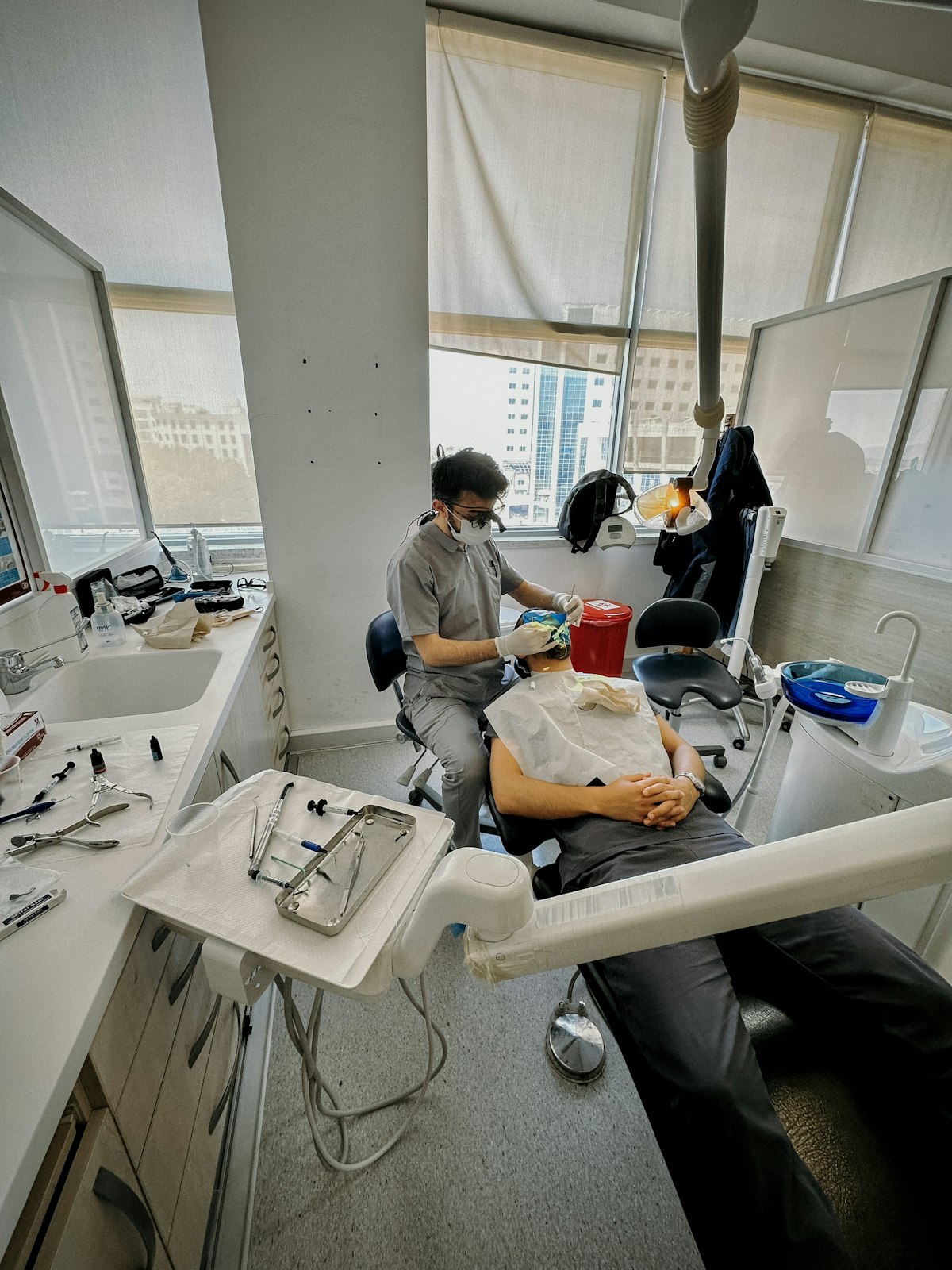
None of these accommodations require a patient to have a formal diagnosis. If a person or their carer simply says lights, sounds or waiting rooms are difficult, that's enough of a reason to adjust the plan.
Making dental visits easier at home
Good home care habits go a long way toward reducing how much needs to happen in the chair, and sensory sensitivities often extend to the bathroom as much as the dental practice. A few adjustments that can help:
- Softer-bristled or silicone toothbrushes for children or adults who find standard nylon bristles uncomfortable on the gums or teeth.
- Milder-flavoured or unflavoured toothpaste for people who find minty flavours overwhelming, since strong flavour and foaming can be a real barrier to a consistent brushing routine.
- A predictable routine, using the same steps and timing each day, which can reduce anxiety around brushing for children with autism or sensory processing differences.
- Simple visual schedules or timers at home that mirror the same style of explanation used at the dental practice, so brushing and dental visits feel connected rather than separate, unpredictable events.
These same principles carry through to broader oral hygiene habits worth building early, which is covered in more detail in our guide to when to start flossing for kids. For children who are particularly selective about textures and tastes in general, it's also worth reading about the link between picky eating and tooth decay risk, since sensory food preferences and dental sensitivities often overlap.
Involving caregivers and support people
Caregivers, support workers and family members are often the ones who know a patient's cues best, and involving them in the appointment usually makes things smoother for everyone. That can mean a caregiver sitting close by during treatment, helping to interpret cue cards or gestures, or simply providing familiar reassurance in a moment that might otherwise feel unpredictable. Simple communication supports, such as picture cards for stop, rinse or almost done, or an agreed hand signal a patient can use at any point, give patients a sense of control that can make a genuine difference to how the visit goes.
For children who also grind their teeth at night, which can sometimes be linked to stress, sensory regulation, or simply a busy developing jaw, our article on teeth grinding in toddlers covers what's usually normal and when it's worth mentioning at a check-up.
Matching accommodations to common needs
| Type of need | Accommodations that can help |
|---|---|
| Sensory sensitivities (autism, sensory processing differences) | Dimmed lighting, noise-cancelling headphones, quiet waiting area, predictable step-by-step explanations |
| Physical disability or limited mobility | Step-free access, wheelchair-accessible treatment room, extra time for transfers |
| Intellectual disability | Simple, concrete language, visual or social-story explanations, involving a familiar support person |
| Dementia or cognitive decline | Shorter appointments, familiar staff where possible, caregiver present, minimal changes to routine |
| Dental anxiety (with or without another diagnosis) | Agreed stop signals, split appointments, pre-visit tour, extra time to ask questions |
Regular dental imaging is also part of ongoing care for many patients, and for families wondering how often this is needed for children, our guide to dental x-rays for kids explains what's typical and why frequency is usually kept to what's clinically necessary.
Frequently Asked Questions
Do I need a formal diagnosis before asking for accommodations?
No. If lights, sounds, waiting times or a standard appointment format are difficult for you or the person you're supporting, it's worth mentioning that when booking, regardless of whether there's a formal diagnosis attached.
Can appointments be split across multiple shorter visits?
Yes, this is a common and reasonable request. Breaking treatment into smaller stages can make a big difference for patients who find longer appointments overwhelming or physically tiring.
Can a support worker or family member stay in the room during treatment?
In most cases, yes. Having a familiar person nearby can help a patient feel calmer and give the dental team useful cues about how the appointment is going.
What if my child or family member has had a difficult dental experience before?
Mentioning this beforehand is genuinely useful. It helps the team plan a gentler approach, whether that's a familiarisation visit first, a slower pace, or simply more time to build trust before any treatment is attempted.
Is sedation ever used for patients who can't tolerate a standard appointment?
For some patients, sedation options may be appropriate and worth discussing directly with the dental team, who can talk through whether it's suitable for the individual's health history and needs.
Talk to us before you book
If you're arranging care for yourself, a child, or someone you support, the most helpful first step is usually a phone call or visit to talk through what would actually help, before anything is booked in. Our team is happy to talk through pacing, sensory considerations, mobility needs or communication preferences ahead of time, so the first appointment feels manageable rather than stressful. You're welcome to get in touch to talk through what would help, and if you're also looking for a regular dental home for the whole family, you can read more about our general dental care.


