


After a spinal cord injury, oral health often slips down the list, yet it becomes harder to manage and more important at the same time. Two things drive the risk. Reduced hand and arm function can make brushing and flossing difficult or impossible without help, and many medicines for pain and spasticity cause dry mouth, which removes saliva's natural protection against decay. On top of that, for people with higher level injuries, untreated dental pain can trigger a sudden and dangerous rise in blood pressure called autonomic dysreflexia.
This guide is for people living with a spinal cord injury and the people who support them. It covers daily cleaning with limited hand function, managing dry mouth, and how to make dental visits both comfortable and safe.
Key takeaways
- Limited hand function and dry mouth from medicines both raise the risk of tooth decay and gum disease after spinal cord injury.
- For injuries at or above the T6 level, dental pain or treatment can trigger autonomic dysreflexia, a sharp blood pressure spike that needs urgent action.
- The single most important step is to tell your dentist your injury level and any history of autonomic dysreflexia before any treatment.
- Adapted toothbrushes, electric brushes and carer help for one clean a day make a large difference.
- Dry mouth is managed with frequent water, sugar-free products, saliva substitutes and a medication review.
- Home visit dentistry is an option for people who cannot easily travel.
The one thing to do first: tell your dentist your injury level
Before any cleaning or treatment, make sure your dentist knows the level of your spinal cord injury and whether you have ever had autonomic dysreflexia. This single piece of information changes how a safe appointment is planned. For injuries at or above T6, the dental team should know the warning signs, keep appointments comfortable and pain-free, position you carefully, and have a plan ready if your blood pressure rises. Many dental professionals are not familiar with autonomic dysreflexia, so it is worth raising it yourself rather than assuming it is known.

Autonomic dysreflexia and the dentist
Autonomic dysreflexia is a medical emergency that can affect people with spinal cord injuries at or above the T6 level, and most people with cervical or high thoracic injuries are susceptible. It happens when something below the level of injury, often pain or a full bladder, sets off an uncontrolled rise in blood pressure. In the dental chair, the trigger can be a toothache, an abscess, or an uncomfortable procedure. Warning signs include a sudden pounding headache, flushing and sweating above the injury, a blocked nose, a slow heartbeat and anxiety. If it happens, treatment stops, you are sat upright, tight clothing is loosened, the cause is removed where possible, and urgent medical help is arranged if the pressure does not settle. The best protection is preventing dental pain in the first place and keeping any treatment thorough but comfortable.
Daily cleaning with limited hand function
Cleaning the teeth is the foundation, and there are good ways to make it work even when grip and arm movement are reduced.
| Challenge | What can help |
|---|---|
| Weak or limited grip | A built-up handle, a strap that holds the brush to the hand, or an electric toothbrush |
| Limited arm movement | An electric brush that does the movement for you; a carer brushing once a day |
| Flossing is impractical | Floss holders, interdental brushes or a water flosser |
| Tiring quickly | Brushing seated and supported, in two shorter sessions if needed |
| Dry, sticky mouth | Brushing after sips of water, and a high-fluoride toothpaste if your dentist advises it |
Managing dry mouth
Dry mouth, or xerostomia, is one of the biggest drivers of decay after spinal cord injury, mostly because of pain and spasticity medicines. Saliva normally washes away food, neutralises acid and carries minerals back into the enamel, so when it drops, decay can move fast. Helpful steps include sipping water often, keeping sugar-free gum or lozenges handy to stimulate saliva, using over-the-counter saliva sprays or gels, avoiding sugary and acidic drinks, and asking your GP or pharmacist whether any of your medicines can be reviewed. Our guide to managing dry mouth goes into more detail.
Making visits work
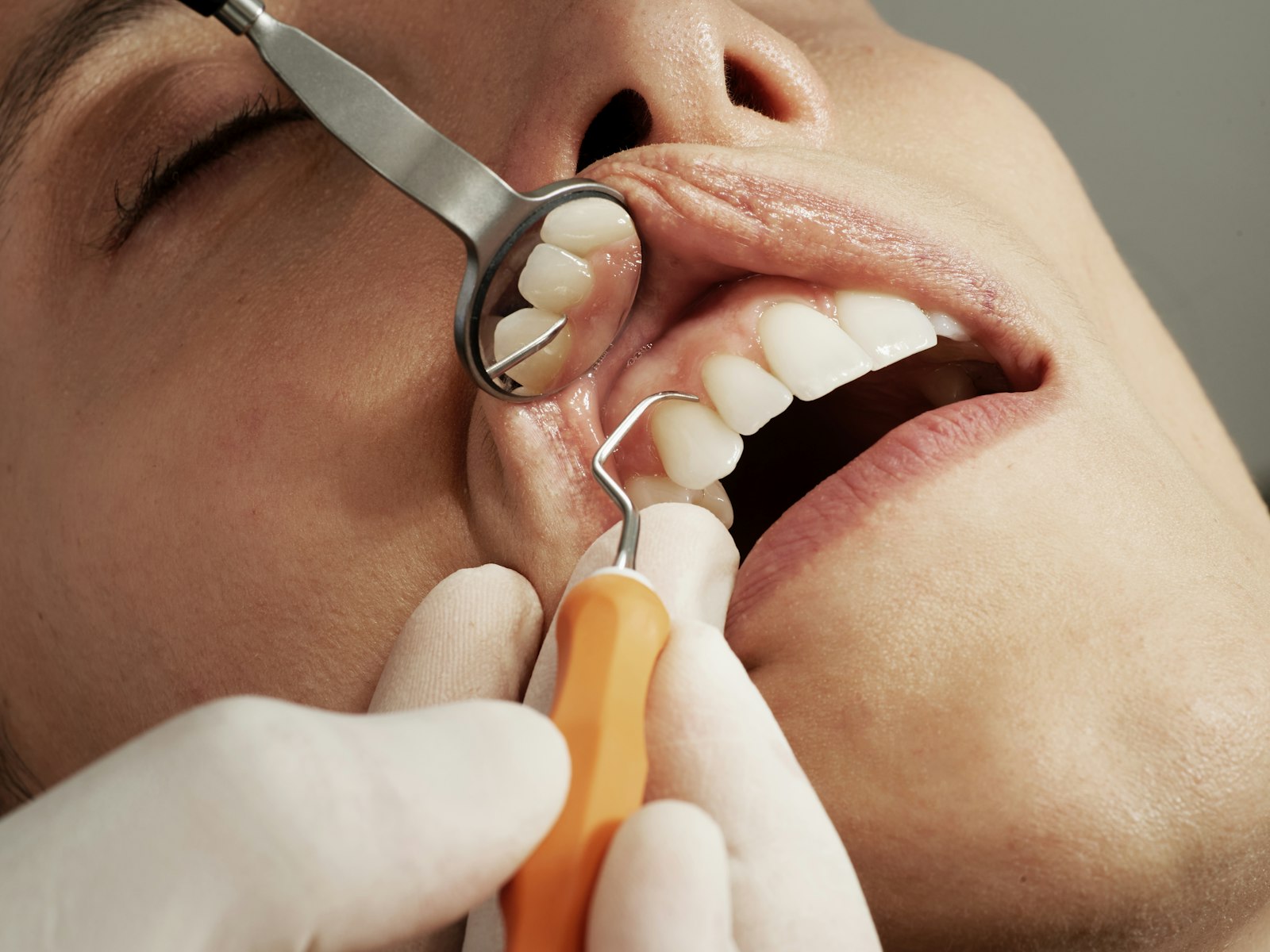
Practical planning makes appointments easier. Empty your bladder before the visit, since a full bladder is a common dysreflexia trigger. Book enough time so nothing is rushed, ask about wheelchair access and transfers in advance, and bring a support person who knows your needs. Frequent short check-ups are better than waiting for a problem, because catching decay early avoids the pain that can set off bigger issues. If travel is too hard, ask about home visit dentistry. Costs depend on the care needed, and the team at Lumi Dental does not list its own prices here but is happy to provide a written quote. Current new patient information is on our offers page.
Frequently asked questions
Does a spinal cord injury directly damage the teeth?
No. The injury does not affect the teeth directly. The higher risk comes from harder daily cleaning, dry mouth from medicines, and changes to diet, all of which are manageable.
Why does my dentist need to know my injury level?
Because injuries at or above T6 carry a risk of autonomic dysreflexia, where pain triggers a dangerous blood pressure rise. Knowing your level lets the team prevent it and respond quickly if it occurs.
How often should I have a dental check-up?
Many people benefit from a check every three to six months rather than yearly, because dry mouth raises decay risk and early treatment prevents painful problems. Your dentist will set an interval based on your risk.
Can a carer really clean someone else's teeth well enough?
Yes. If a person cannot brush effectively, a carer brushing once a day in addition can be enough to protect the gums and slow decay. Standing behind with the head supported gives the best control.
With the right routine and a dental team that understands spinal cord injury, a healthy mouth is very achievable. If you or someone you support is overdue for a check or struggling with daily care, the team at Lumi Dental in Melrose Park is happy to help you plan a safe, comfortable approach. Read more about our general dental care, or our related guides on multiple sclerosis and oral health and oral care after a stroke.
This article is general information and is not a substitute for personal dental or medical advice. Autonomic dysreflexia is a medical emergency; follow the advice of your treating team.


