A two year old who sucks a thumb to fall asleep and a seven year old who still does it every night are in very different positions as far as their teeth go. In toddlers, sucking a thumb or dummy is a normal way to settle, and according to Victoria's Better Health Channel most children stop somewhere between two and four. When the habit carries on as the adult teeth arrive, the steady pressure can start to change how the teeth and jaws grow.
Written by Dr James Tran, dentist at Lumi Dental.
How long, how often and how hard
A thumb resting loosely in the mouth for a few minutes at bedtime is a different thing from a thumb sucked hard for most of the night. Dentists think about how many years the habit has gone on, how many hours a day it happens, and how much force is involved. A Cochrane review on stopping these habits (Borrie and colleagues, 2015) notes that sucking habits tend to stop as children get older, but that a habit continuing while the adult teeth are coming in can contribute to a bite problem. The Better Health Channel adds that the earlier a child stops, the more likely the teeth and jaws are to correct themselves.
Changes a dentist looks for
A thumb behind the upper front teeth acts like a slow, gentle lever. Over time it can produce:
- upper front teeth that sit further forward than ideal
- an open bite at the front, a gap between upper and lower front teeth when the back teeth are together
- a crossbite at the back, where some upper back teeth close inside the lower ones, often linked with a narrow upper jaw
A 2026 meta-analysis in Dentistry Journal (Faryad and colleagues) found that both thumb or finger sucking and dummy sucking increased the risk of a front open bite and a back crossbite. Our article on open bite explains that problem in more detail.
Dummies are easier to take away
Long term dummy use can affect the bite too. In the same meta-analysis, dummy sucking carried a higher risk of back crossbite than thumb sucking, while the risk of open bite was similar. The practical difference is that a dummy belongs to the parent, not the child, so it can be limited to sleep and then phased out. Our guide to dummies and teeth goes through weaning in more detail.
Why the arrival of adult teeth matters
Most children need no help at all. If the habit is still strong as the preschool years end, it is reasonable to start gently encouraging a change. The more important point comes when the adult front teeth erupt, which the Australian Dental Association's eruption chart places at about 6 to 9 years, because these are the teeth that stay. Ideally sucking has stopped by then. If you already see the front teeth pushed forward or not meeting, there is no need to wait to ask for advice.
Helping a child let go of the habit
Thumb sucking is a comfort behaviour, so pressure and teasing tend to make it more persistent. It works better to notice when it happens, often when tired, bored, unwell or anxious, and to offer something else at those moments, such as a cuddle, a soft toy or something for the hands to do. The Better Health Channel suggests a reward for going a set time without sucking, gradually lengthening that time, and using a glove or adhesive bandage as a reminder, noting that the child needs to be willing to stop.
If those approaches have not worked, a thumb guard or a dental habit appliance can act as a reminder. A dentist can talk through whether one suits your child.
When the bite has already changed
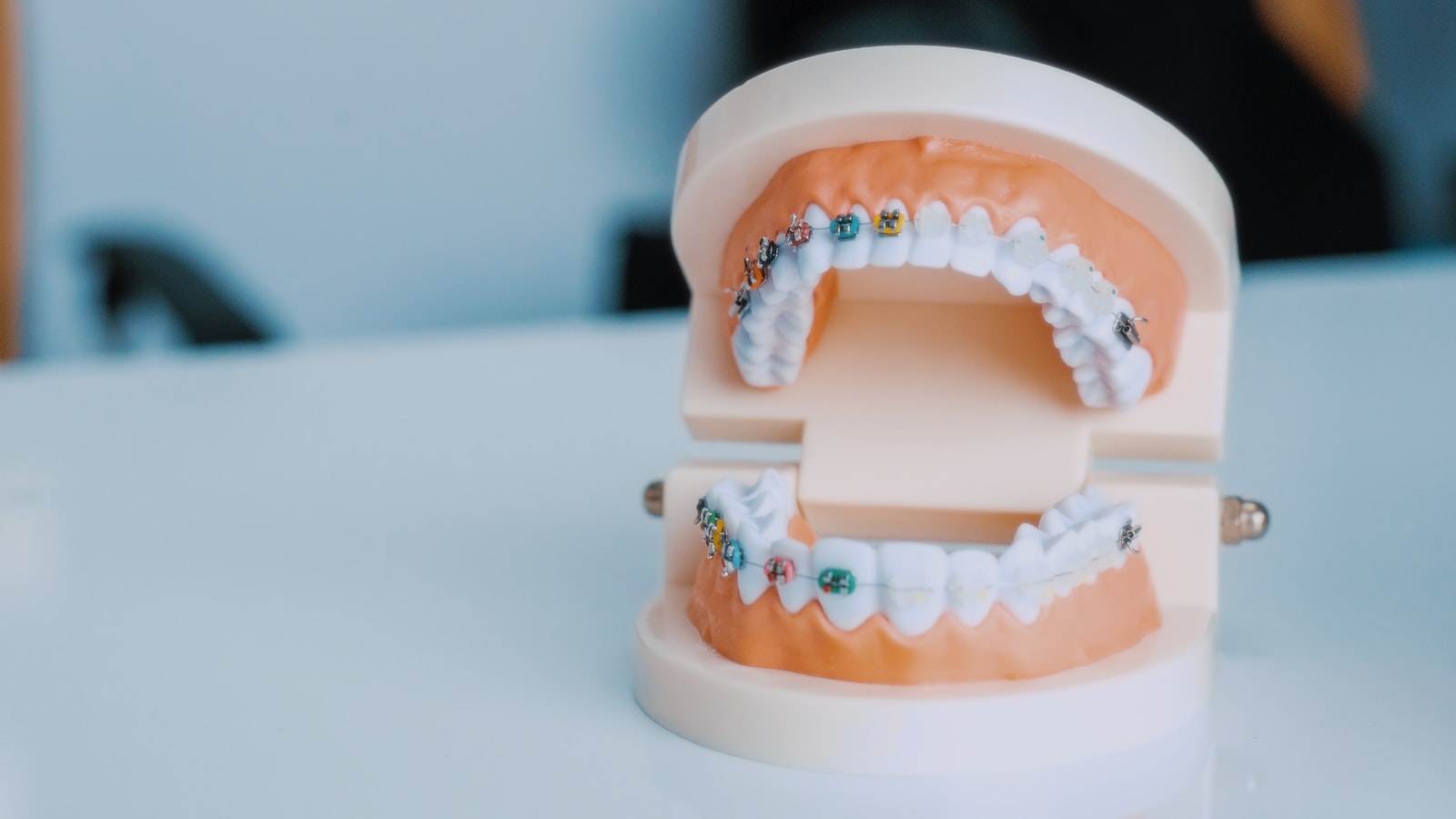
Some bite changes from sucking improve after the habit stops, especially while the jaws are still growing. A narrow upper jaw with a crossbite is often treated with an expander. Conventional expanders tend to work best while the seam in the middle of the palate is less mature. That seam matures at very different ages in different people, which is why clinicians may assess it individually, for example using the staging method described by Angelieri and colleagues (American Journal of Orthodontics and Dentofacial Orthopedics, 2013). Front teeth that remain forward or crowded can be straightened with braces or aligners later, as our guide to straightening crooked teeth describes. Lumi's general dentists provide both fixed braces and clear aligners, and more complex growth problems are referred to a registered orthodontist.
Common questions
Is it worth stopping a one year old?
Generally not. Sucking is a normal comfort at this age, and most children stop on their own in the following few years.
Will a gap from thumb sucking close by itself?
It may, particularly when the habit stops early. The dentist can check it at each visit to see whether it is improving.
When should my child first see a dentist?
The Australian Dental Association suggests a first visit by the first birthday, even if only a few teeth have come through. Our guide to a child's first dental visit describes what happens, and our article on when adult teeth arrive shows the timeline.
If you would like a dentist or OHT to look at your child's bite, book with our general dental team at Lumi Dental in Melrose Park or see our current offers. This article is general information and not a substitute for personal dental advice.