
When a tooth is removed, an extracted tooth is treated as clinical waste in almost every case and disposed of under strict infection control rules, not simply thrown in an ordinary bin. A small number of teeth are sent to a laboratory for pathology testing instead, when there is a specific clinical reason to check the tissue. Many patients also do not realise they can usually ask to keep their own extracted tooth, for a child's tooth fairy visit or simply as a personal choice, as long as they mention it before or during the appointment. Understanding what happens behind the scenes can make the whole process feel less like a mystery.
Key takeaways
- Most extracted teeth are handled as clinical waste, following the same infection control rules that apply to any human tissue removed during treatment.
- A tooth is only sent for pathology testing when there is a specific reason, such as a cyst, an unusual growth, or an unexplained finding on an X-ray.
- Patients can usually ask to keep their own extracted tooth, including for children and the tooth fairy, as long as they raise it before or during the visit.
- The same infection control principles that govern extracted teeth also apply to how used dental instruments are cleaned, sterilised or disposed of.
- None of this reflects anything unusual about an individual case. It is standard practice across dental clinics in Australia.
Why an extracted tooth counts as clinical waste
An extracted tooth is human tissue, and it typically carries some blood and, potentially, bacteria from the mouth. For that reason, it falls under the same broad category of clinical and related waste that covers other tissue and blood-contaminated material generated during treatment. Dental practices in Australia follow infection control standards set out by bodies such as the Australian Commission on Safety and Quality in Health Care, and state-based waste regulations that govern how this category of waste is stored, transported and disposed of. In practice, that means an extracted tooth goes into a dedicated clinical waste container, separate from general rubbish, and is collected by a licensed waste contractor rather than going out with the regular bins.
The infection control reasoning behind it
The rules exist to protect everyone: the clinical team handling the waste, the contractors who transport it, and the wider public. A few principles sit behind the process.
- Standard precautions. Dental teams treat all blood and tissue as potentially infectious, regardless of a patient's known medical history, because infection status is not always known or disclosed.
- Segregated waste streams. Clinical waste, including extracted teeth, is kept separate from general waste and sharps waste, each with its own container and disposal pathway.
- Licensed handling. Contracted waste services collect and dispose of clinical waste according to state health regulations, typically through high-temperature treatment.
- Traceability. Practices keep records of clinical waste collection, which supports accountability if anything is ever queried by a regulator.
This is the same broad framework that governs how a dental practice manages used gloves, dental dams and other single-use items that contact blood or saliva during treatment. If you would like to understand more about what you are entitled to ask a practice about its infection control processes, our guide on dental infection control and what you can ask covers this in more detail.
Where extracted teeth and other clinical waste end up
After collection, clinical waste from dental practices is generally treated using heat, most often incineration or another approved method that neutralises any biological risk, before being disposed of through an approved waste facility pathway. This process is regulated by state environmental and health authorities, and licensed waste contractors are audited against these standards. NSW Health and equivalent bodies in other states set out the categories of clinical waste and how each must be handled, which is why every dental practice you visit, whether in Melrose Park or anywhere else in Sydney, follows a broadly similar process for something as ordinary as an extracted tooth.
When a tooth is sent for pathology instead
Occasionally, an extracted tooth or the tissue around it is sent to a pathology laboratory rather than disposed of as routine clinical waste. This happens when there is a specific clinical reason to have the tissue examined under a microscope, such as a cyst found at the root tip, an unusual lesion in the surrounding bone, or a finding on an X-ray that needs to be understood before any further treatment is planned. In these cases, the sample is sent with a request for histological examination, and the results go back to the treating dentist, who will discuss anything relevant with the patient and arrange follow-up care if needed. This is a considered clinical decision, not a routine step, and your dentist will tell you if it applies to your situation.
Can you keep your own extracted tooth?
In most cases, yes. If you would like to keep an extracted tooth, the simplest approach is to mention it to the practice before your appointment, or as soon as you arrive, so the team can set it aside rather than placing it in the clinical waste stream. This comes up often for children having a baby tooth removed, where parents want it for a tooth fairy visit at home. It also comes up for adults for personal, cultural or sentimental reasons, and that is a reasonable request a practice can usually accommodate.
A few practical points are worth knowing. The tooth will look different once it has been cleaned of blood and any temporary dressing material. Some practices may ask you to sign a simple acknowledgement that you are taking the tooth by choice. If a tooth needs to be sent for pathology testing for clinical reasons, it generally cannot be returned to you, because the sample needs to remain intact for the laboratory. Outside of that situation, taking your own tooth home is a normal and well-understood request.
The same principles apply to instruments and other clinical waste
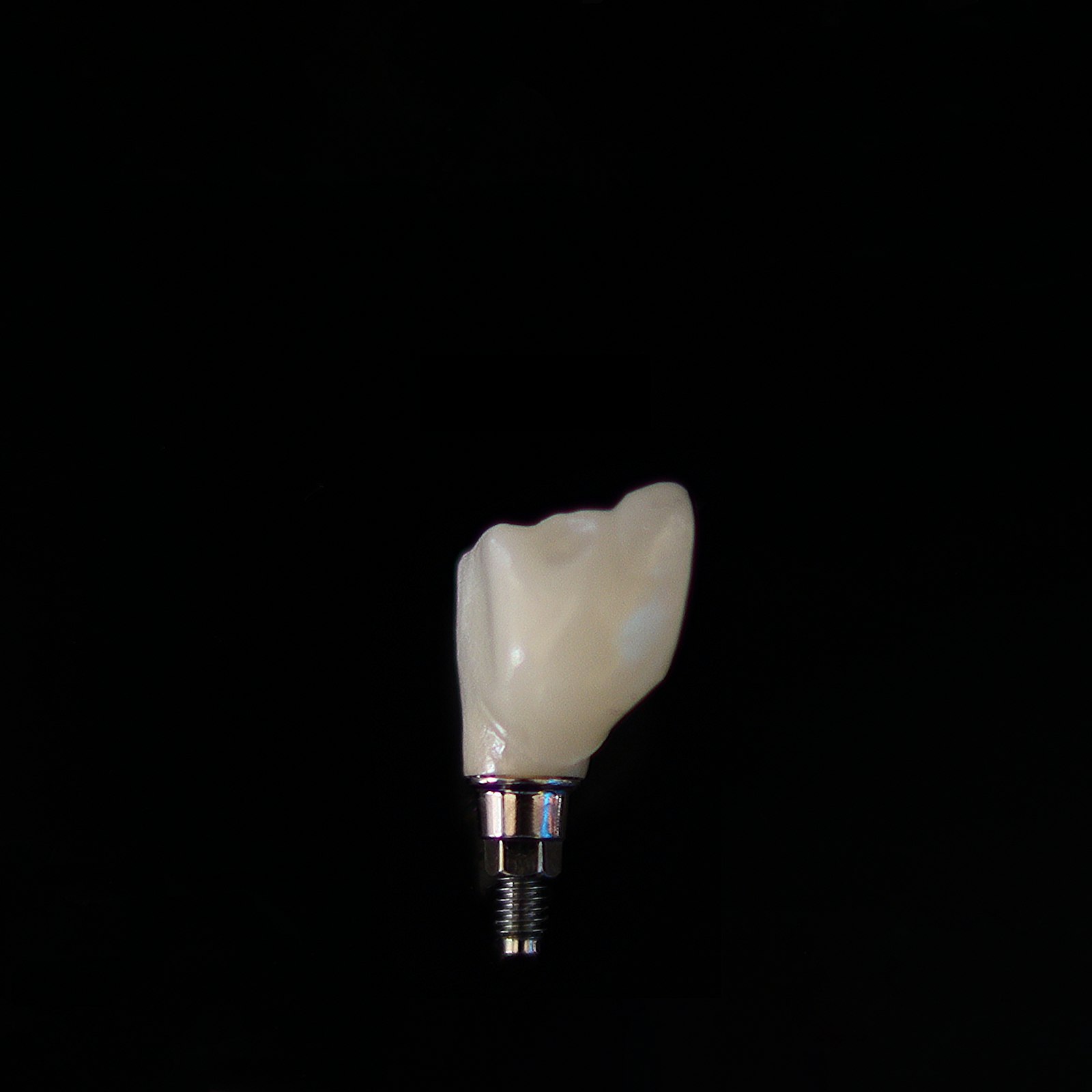
It helps to see the extracted tooth question as one part of a bigger infection control picture. The same standards that determine how a tooth is handled also determine how used instruments are cleaned and sterilised between patients, how sharps like needles and scalpel blades are disposed of, and how surfaces in the treatment room are cleaned. A practice that takes clinical waste seriously is generally applying the same rigour across every part of the visit, not just the parts patients can see. If you are curious about healing after your own extraction, our guide to the healing stages after a tooth extraction explains what to expect in the days and weeks afterwards, and if an implant is part of a longer-term plan, our article on timing an implant after extraction covers that separately.
Frequently asked questions
Can I ask to keep my extracted tooth?
Yes, in most cases. Let the practice know before or during your appointment so the tooth can be set aside for you rather than placed in clinical waste.
Is it unhygienic to keep an extracted tooth?
The tooth is cleaned before it is handed back to you. Once dry, a tooth does not pose an ongoing infection risk to keep at home the way it would in a clinical waste stream.
What happens to a tooth removed for orthodontic reasons, such as a premolar?
The same options generally apply. If you would like to keep it, for instance as a keepsake, mention this before the appointment.
Will my extracted tooth ever be tested without me knowing?
No. Sending tissue for pathology testing is a clinical decision your dentist will discuss with you, and it is based on a specific finding, not routine practice.
Does every dental practice in Australia follow the same rules?
The underlying infection control and clinical waste principles are consistent across Australian dental practices, based on national infection control standards and state-based waste regulations, though exact processes can vary slightly by practice.
Can I request to see how a practice handles clinical waste?
You can always ask a practice about its infection control and waste-handling processes. A practice confident in its standards should be able to explain them clearly.
Questions about an upcoming extraction?
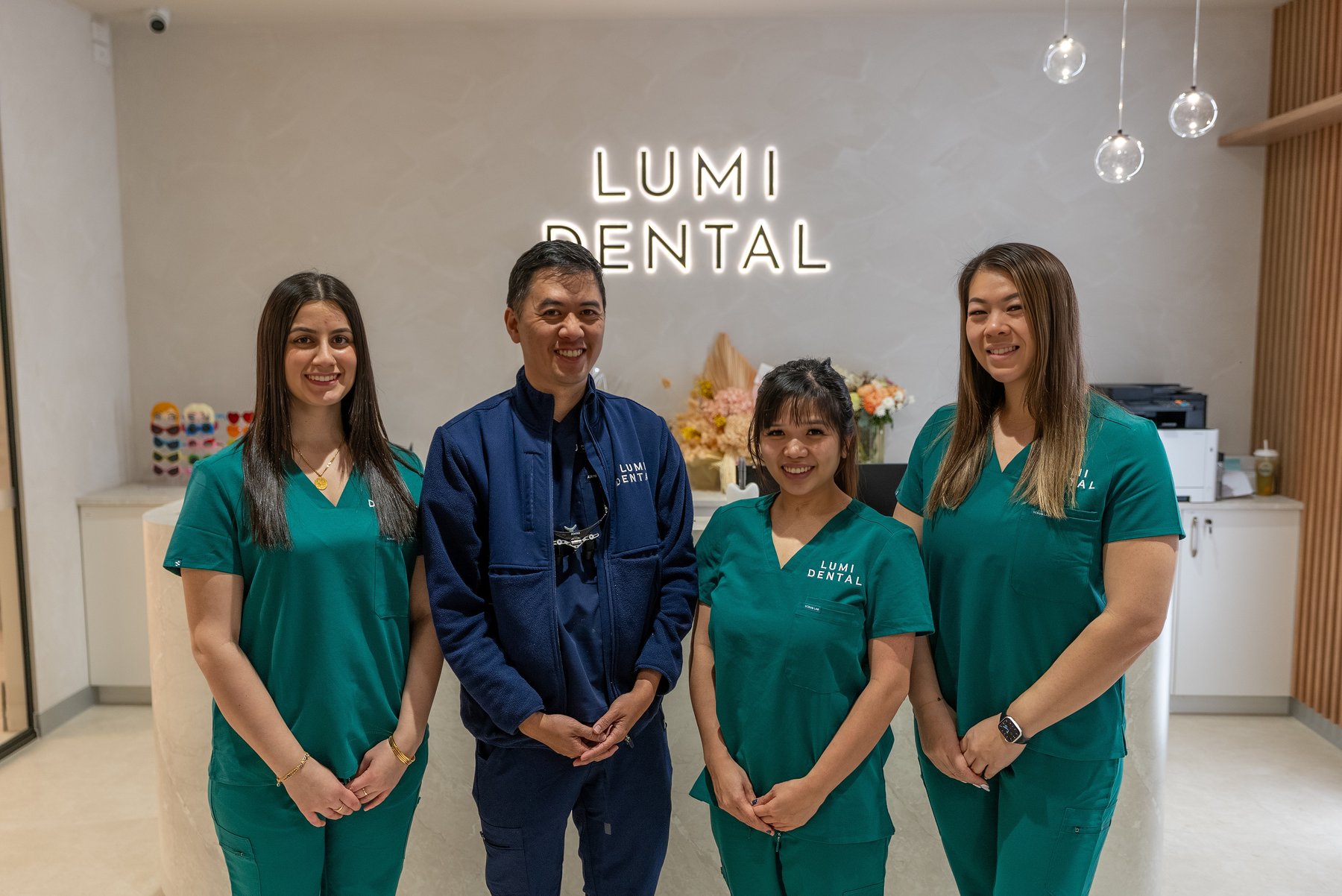
If you have a tooth extraction coming up and want to understand what to expect, from the procedure itself through to what happens afterwards, our guide on what to expect during a tooth extraction is a good place to start. The team at Lumi Dental is also happy to talk through any questions before your visit. You can see current new patient options on our offers page.
This article is general information and is not a substitute for personal dental advice. Please speak with a dentist about care tailored to your situation.