

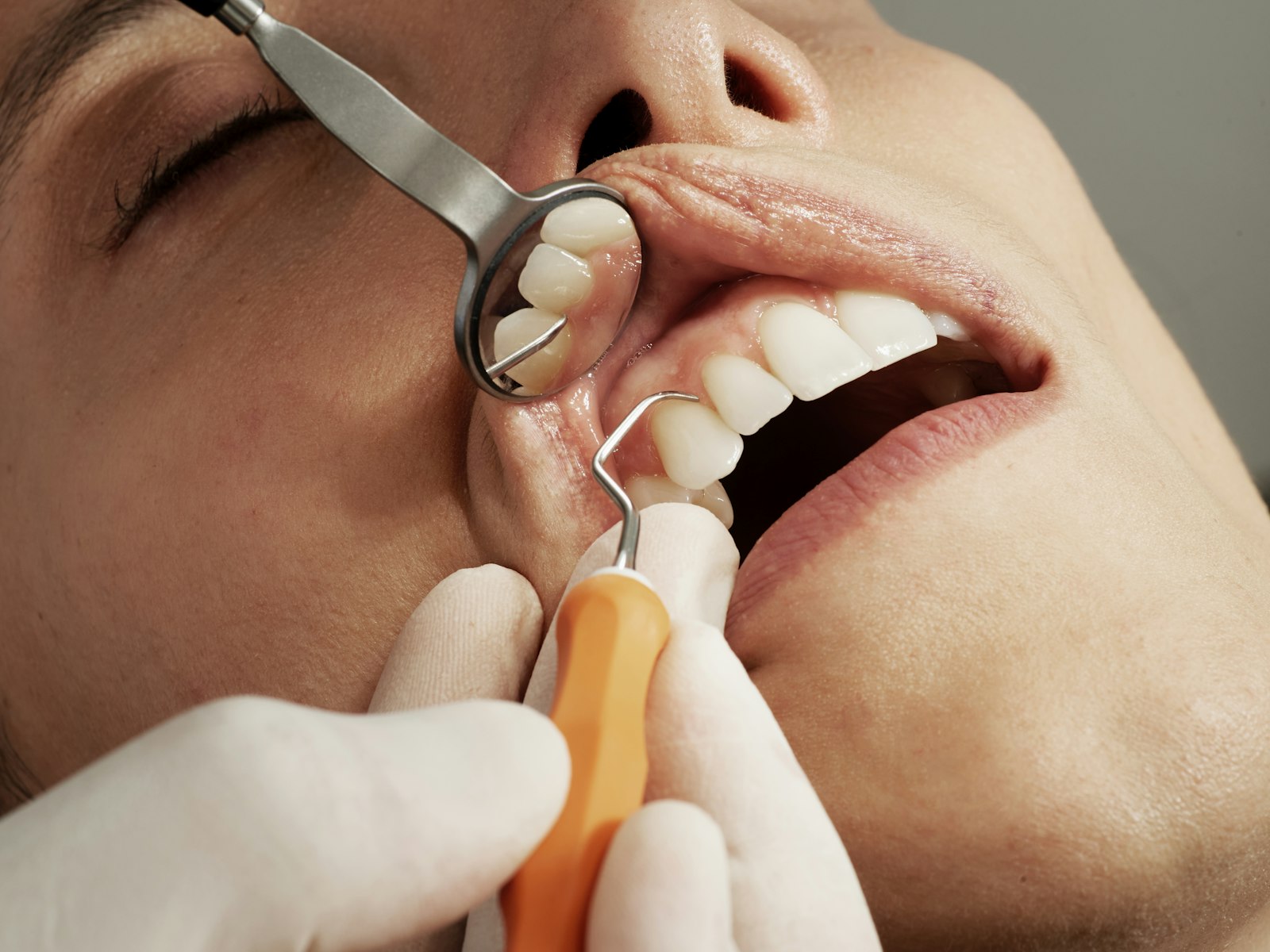

Many parents are surprised the first time they hear their child grinding their teeth at night, but childhood teeth grinding, known as bruxism, is a common part of growing up for a lot of children and often nothing to worry about. It's frequently linked to the developing bite as baby teeth make way for adult teeth, ongoing growth in the jaw, and sometimes stress, and most children simply outgrow it as their permanent teeth settle into place. If you've noticed grinding sounds coming from your child's room at night, or a comment about a sore jaw in the morning, this guide walks through what's generally normal, what's worth keeping an eye on, and when it makes sense to bring it up at a dental visit.
Key Takeaways
- Childhood bruxism is common and often linked to the developing bite, jaw growth, and sometimes stress.
- Many children outgrow it naturally as permanent teeth settle into position, unlike adult bruxism, which is less likely to self-resolve.
- Signs include grinding sounds at night, morning jaw soreness or headache, or unusually flattened baby teeth.
- Mild grinding with no pain or visible excessive wear is usually nothing to worry about.
- Significant wear, jaw pain, or grinding that continues heavily into the permanent teeth years is worth getting checked.
Why Bruxism Is Common in Children
Childhood bruxism has a different profile to bruxism in adults. This site covers the adult picture in detail at bruxism and teeth grinding in adults, where stress and lifestyle factors tend to play a larger and more persistent role, and adult grinding is less likely to resolve on its own without some form of management. In children, grinding is frequently tied to the normal, ongoing process of losing baby teeth and growing adult teeth into place, along with general jaw growth and development. Occasional stress, such as starting at a new school or a change in routine, can also play a part. Because a child's mouth is still changing so much during these years, a pattern of grinding that would be more concerning in an adult is often just a passing part of development in a child.
Signs a Parent Might Notice
- Grinding sounds at night, often noticed by a parent walking past a child's room or sharing a room with them.
- A child complaining of jaw soreness or headache in the morning, particularly after a night of heavier grinding.
- Unusually flattened or worn-looking baby teeth, which you might notice during brushing or at a routine dental check-up.

When It's Usually Nothing to Worry About
Mild grinding without any pain or visible excessive wear is common and generally doesn't need active treatment. Many children go through phases of grinding, particularly around the ages when teeth are actively coming through or being replaced, and it settles down again on its own. If your child seems otherwise comfortable, isn't complaining of jaw pain or headaches, and their teeth don't show significant flattening, it's reasonable to simply keep an eye on it and mention it at their next regular dental check-up.
When to Get It Checked
A few signs suggest it's worth bringing forward a dental visit rather than waiting for the next routine check-up.
- Significant, visible wear on the baby teeth, beyond what you'd expect for your child's age.
- Ongoing jaw pain, morning headaches, or a child mentioning discomfort when chewing.
- Grinding that continues heavily once permanent teeth have started coming through, rather than easing off.
A dentist can assess the extent of any wear and get a sense of whether it's within a normal range for your child's stage of development or worth monitoring more closely. It's worth remembering that a dental check-up for grinding isn't only about the teeth themselves; a dentist will generally also have a look at how the jaw is developing and whether there's any tenderness in the muscles used for chewing, since these can offer useful clues about whether the grinding is purely developmental or worth a closer look.

Gentle Management Options
For most children, management starts with the simple things. If stress seems to be a factor, such as around a big change like starting school, addressing that where possible and keeping a calm, consistent bedtime routine can sometimes help settle grinding. In more significant cases, where there's meaningful wear or ongoing discomfort, a dentist may occasionally recommend a paediatric-appropriate mouthguard or night appliance. This is always something fitted and monitored by a dentist rather than an over-the-counter option bought for a child, since a properly fitted appliance needs to account for a growing mouth and changing teeth in a way a generic product can't.
If your child also seems anxious about dental visits generally, which can sometimes overlap with stress-related grinding, this site's guide on a child scared of the dentist has practical suggestions for making appointments easier. And if you're wondering when your child should have their first orthodontic assessment as their bite and jaw continue developing, first orthodontic check age covers general timing guidance.
As children get older, some families also start thinking about mouthguards for sport rather than grinding, and it's worth understanding that these serve different purposes. If you're weighing up appliance options for an older child, this site's comparison at night guard vs mouthguard explains the distinction between an appliance made for grinding and one made for sport protection.
Keeping an Eye on Things Over Time
Because most childhood bruxism resolves on its own, the general approach is watchful monitoring rather than immediate intervention, with regular dental check-ups being the best way to track whether wear is progressing or settling down. Try not to worry too much if you notice occasional grinding, since it's a genuinely common part of childhood development, and most parents find it settles down again without needing any specific treatment at all. The team at Lumi Dental can assess your child's teeth and jaw development at a routine visit and let you know if anything warrants closer attention. General check-ups are available through our general dentistry service, and current offers can be found at our current deals page, with a free written quote available for any recommended treatment.
Frequently Asked Questions
At what age does childhood teeth grinding usually stop?
There's no fixed age, as it varies by child, but many children outgrow grinding as their permanent teeth settle into place, often somewhere through the primary school years, though this timeline differs from child to child.
Can stress cause a child to grind their teeth?
Stress can be a contributing factor in some children, alongside the more common drivers of jaw growth and the developing bite as teeth come through and are replaced.
Do I need to wake my child up if I hear them grinding at night?
No, there's generally no need to wake a child specifically because of grinding sounds. It's more useful to monitor for signs like morning jaw soreness or visible tooth wear over time.
Is a night guard safe for a young child?
A night guard or mouthguard for a child should always be fitted and monitored by a dentist rather than bought over the counter, since a growing mouth needs an appliance suited to their specific stage of development.

