


Williams syndrome is a genetic condition that commonly affects the teeth, with small widely spaced teeth, some missing teeth, and a high rate of bite problems, and around 85 percent of people with the condition have some form of malocclusion. It is caused by a small missing piece of chromosome 7 and affects roughly 1 in 7,500 to 10,000 people. Alongside the dental features, Williams syndrome involves heart and blood vessel differences, which is an important consideration when planning any dental treatment.
Key takeaways
- Williams syndrome commonly causes small, widely spaced teeth and missing teeth.
- Malocclusion is very common, affecting around 85 percent, and often responds to orthodontics.
- Peg-shaped upper lateral incisors and enamel defects are frequently seen.
- Heart and blood vessel differences mean dental care is coordinated with the cardiology team.
- The typically sociable nature of people with Williams syndrome often helps with dental visits.
Common dental features
The teeth in Williams syndrome are often smaller than average (microdontia) with generous spaces between them, reported in around 70 percent of people. Missing teeth (hypodontia) are common, affecting roughly half, and the upper lateral incisors are frequently small or peg-shaped. Enamel defects, a deep or open bite, and crossbites are also seen. Many of these overlap with the wider topics of missing teeth in children and a gap between the front teeth.

The heart-health link matters
Williams syndrome is associated with narrowing of blood vessels, including a condition called supravalvular aortic stenosis. This is why dental treatment is planned in consultation with the person's cardiologist. Some heart conditions may call for antibiotic cover before certain dental procedures, and decisions about sedation or anaesthesia need careful medical input. The key message for families is to make sure the dental team knows the full medical history before treatment, so care can be made safe.
Why decay risk can be higher
Many people with Williams syndrome have reduced fine motor skills, which can make thorough brushing and flossing harder, so plaque builds up more easily and decay risk rises. A practical, supported home-care routine makes a real difference, and the techniques in our guides to brushing properly and preventing cavities can be adapted with carer help. Regular professional cleaning and fluoride add another layer of protection.
Adapting dental visits
People with Williams syndrome are often very sociable and engaging, which can make building rapport at dental visits easier. Even so, sensitivity to sound and a need for predictability mean short, calm, well-structured appointments tend to work best. Many of the strategies in our guide to sensory-friendly dental visits are helpful here too, including familiarisation visits and clear, step-by-step explanations.
Orthodontics and longer-term care
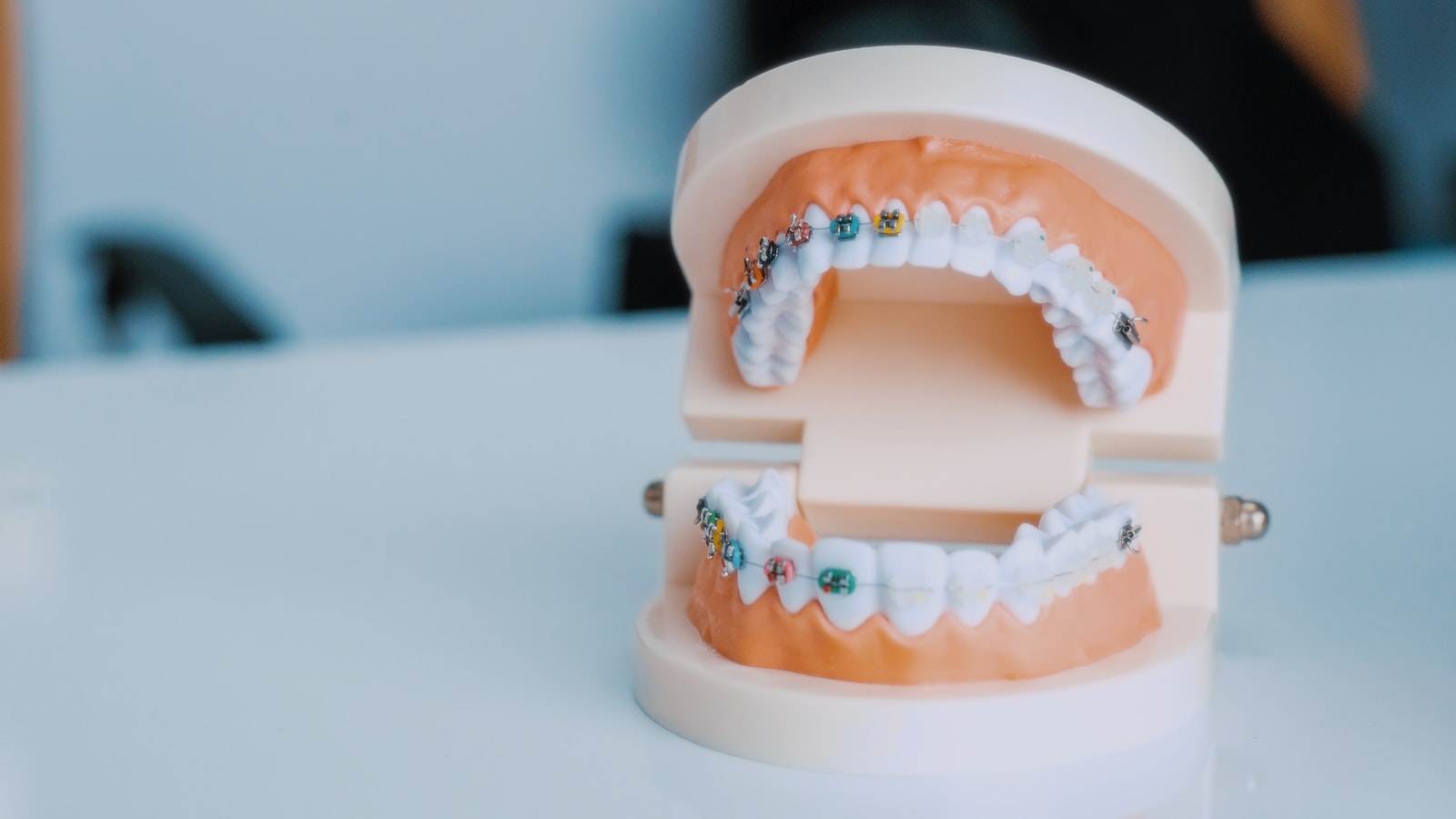
Because malocclusion is common and often treatable, an orthodontic assessment is usually part of the plan, with timing guided by growth. Our guide to early orthodontic treatment explains how and when this is considered. Missing or peg-shaped teeth may later be restored with bonding, bridges, or implants in adulthood, always within the person's medical context.
Frequently asked questions
What are the main dental signs of Williams syndrome?
Small, widely spaced teeth, missing teeth, peg-shaped upper lateral incisors, enamel defects, and a high rate of bite problems.
Does Williams syndrome affect dental treatment safety?
It can, because of the associated heart and blood vessel differences. Treatment is planned with the cardiology team, and the dental team must know the full medical history.
Can braces help?
Often yes. Malocclusion in Williams syndrome frequently responds to orthodontic treatment, with timing based on growth and overall health.
Why is decay more common?
Reduced fine motor skills can make brushing harder, so plaque builds up. Supported routines, professional cleaning, and fluoride help lower the risk.
Are dental visits difficult?
Not always. The sociable nature of many people with Williams syndrome can help, and calm, predictable, short appointments work well.
Speak with the team at Lumi Dental
If you care for someone with Williams syndrome, the team at Lumi Dental in Melrose Park can provide gentle, coordinated dental care alongside their medical team. Read more about general dental care or view current new-patient offers on the current deals page.
This article is general information only and is not a substitute for personal medical or dental advice. Please see your doctor and dentist for advice about your situation.


