



Playing a wind or brass instrument places real, repeated pressure on the teeth, lips and jaw muscles, hours a week for some musicians. Trumpet and trombone players press a metal mouthpiece directly against the front teeth and lips, while clarinet, saxophone and flute players each engage the embouchure differently. None of this is dangerous in the way an injury is, but it is a genuine occupational and lifestyle factor worth discussing with your dental team, particularly if you also wear a retainer or are considering orthodontic treatment.
Key Takeaways
- Brass mouthpieces place direct, repeated pressure on the front teeth and lips, which can affect tooth position and cause lip or gum irritation over time.
- Embouchure demands can interact with orthodontic treatment, so timing braces or Invisalign around performance commitments is worth discussing with an orthodontist.
- Breath control techniques used by wind and brass players can contribute to dry mouth, which raises cavity risk if not managed.
- Standard sports mouthguards are usually a poor fit for musicians, since they change mouthpiece contact and airflow, and dentist-made alternatives exist for players who need protection.
- Telling your dentist which instrument you play, and how often you practise, helps them watch for the specific patterns that affect musicians.
Mouthpiece pressure on the front teeth and lips
Brass players in particular, trumpet, trombone, French horn and tuba, rest the mouthpiece rim directly against the lips and, through the lips, against the front teeth. Over years of regular playing, this repeated pressure can contribute to subtle changes in the position of the upper front teeth in some players, along with localised lip and gum tissue changes at the contact point. Wind instruments with a reed, such as clarinet and saxophone, and side-blown instruments like the flute, place pressure differently, generally with less direct force on the front teeth but with their own demands on lip and jaw muscle control. None of this is a reason to stop playing, but it is useful context for your dentist when reviewing your bite and front teeth over time.
Embouchure and orthodontic treatment: timing matters
For musicians considering braces or Invisalign, embouchure is a genuine factor in treatment planning. Fixed braces change the surface the lips and mouthpiece contact, which can affect tone and comfort during the adjustment period, and some orthodontists recommend scheduling the start of treatment, or specific adjustment appointments, around less demanding performance periods where possible. Clear aligners such as Invisalign are sometimes preferred by musicians for their smoother surface, though they still need to be removed for practice and performance in most cases, which is its own discipline to manage. If you play seriously, mentioning your instrument and performance schedule at your first orthodontic consultation lets your orthodontist factor this into the treatment plan from the start rather than adjusting reactively later.

Lip and gum irritation from sustained pressure
Many brass and wind players notice some lip tenderness, a callus-like thickening, or occasional gum irritation at the mouthpiece contact point, especially after long rehearsals or performance seasons. This is generally a mechanical irritation rather than a dental disease process, but persistent soreness, an ulcer that will not heal, or gum recession specifically at the contact site are worth mentioning to your dentist, since they can sometimes be helped by small adjustments to mouthpiece placement or playing technique in consultation with a music teacher.
Breath control, dry mouth and cavity risk
Sustained breath control, the foundation of good wind and brass technique, often means long stretches of controlled airflow through the mouth, which can dry out oral tissues during practice and performance. A drier mouth reduces the natural protective effect of saliva, which normally helps neutralise acid and clear food particles, so musicians who practise for long periods may have a somewhat higher cavity risk than the general population if hydration and oral hygiene are not kept up. Drinking water before and after practice sessions, and being consistent with fluoride toothpaste and regular dental visits, helps offset this.
Why a standard mouthguard is often a poor fit for musicians
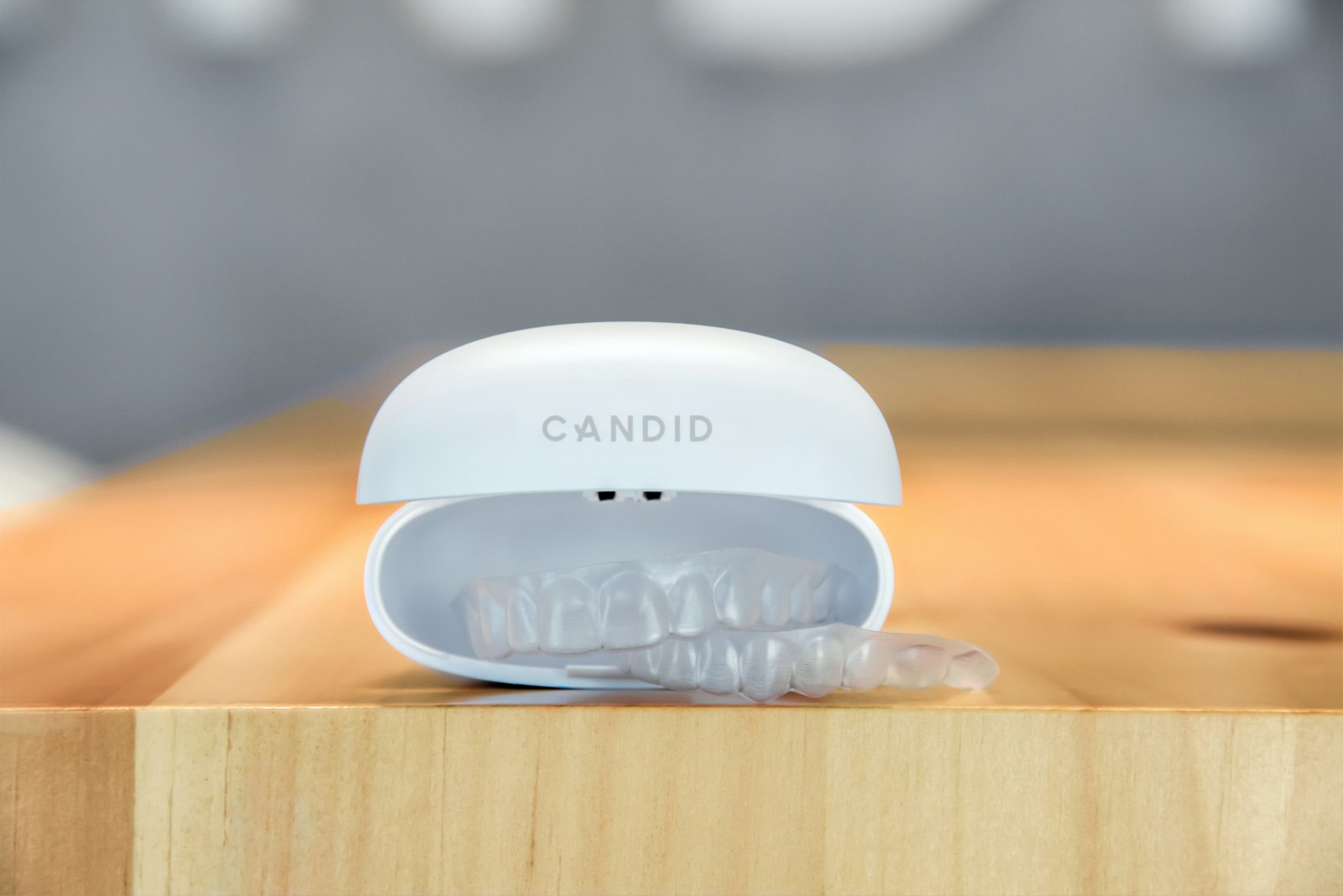
Some wind and brass players, particularly those who also play contact sport, ask about wearing a mouthguard. A standard boil-and-bite or sports mouthguard is usually a poor solution for a musician, since its bulk changes the shape of the mouth cavity and lip contact in ways that directly interfere with tone production and mouthpiece seal. Where a player genuinely needs some form of dental protection, whether for sport, teeth grinding, or another reason, a dentist-made appliance can sometimes be designed with the player's embouchure in mind, though this needs a specific conversation about what the appliance is for and how it will be used, since a night guard for grinding and a sport mouthguard serve very different purposes.
What to tell your dentist
If you play a wind or brass instrument regularly, mention it at your check-up, along with roughly how many hours a week you play and whether you have noticed any lip, gum or bite changes. This is genuinely useful clinical information, similar to how a dentist would want to know about other repetitive habits or occupational factors, and it helps your dentist interpret findings like localised gum recession or subtle tooth movement in the right context rather than assuming a different cause.
Frequently asked questions
Can playing trumpet or trombone move my teeth?
Sustained mouthpiece pressure over years of regular playing can contribute to subtle changes in some players, though this varies significantly by individual, technique and playing frequency. Mentioning your instrument to your dentist helps them monitor this over time.
Should I stop playing my instrument if I am getting braces?
Not usually, but timing the start of treatment or specific adjustments around less demanding performance periods, and discussing your instrument with your orthodontist, can make the adjustment period more comfortable.
Why does my lip feel sore or thickened after long practice sessions?
This is often a mechanical response to sustained mouthpiece pressure and is common among regular players. Persistent soreness or a sore that will not heal is worth mentioning to your dentist.
Does playing a wind instrument increase my risk of cavities?
Extended breath control during practice can contribute to a drier mouth, which may raise cavity risk if hydration and oral hygiene are not kept up. Regular water intake and consistent brushing help offset this.
Can I wear a normal mouthguard while playing brass or wind instruments?
A standard sports mouthguard generally interferes with mouthpiece seal and tone, so it is not a practical option during playing. A dentist-made appliance may be a better fit for specific needs such as grinding, depending on your situation.
Do clarinet and saxophone players face the same issues as brass players?
The pressures are different, reed instruments generally place less direct force on the front teeth than brass mouthpieces, but embouchure fatigue, lip irritation and dry mouth from breath control can still apply, so the same general advice about telling your dentist what you play still holds.
If you play a wind or brass instrument and want your dental team to factor that into your check-ups, the team at Lumi Dental is happy to talk through what to watch for. For current new patient offers, see our current deals. You may also find our guides to bruxism and teeth grinding, dry mouth and xerostomia and the link between teeth grinding and headaches useful, since jaw muscle tension is a common thread across all three topics.

