

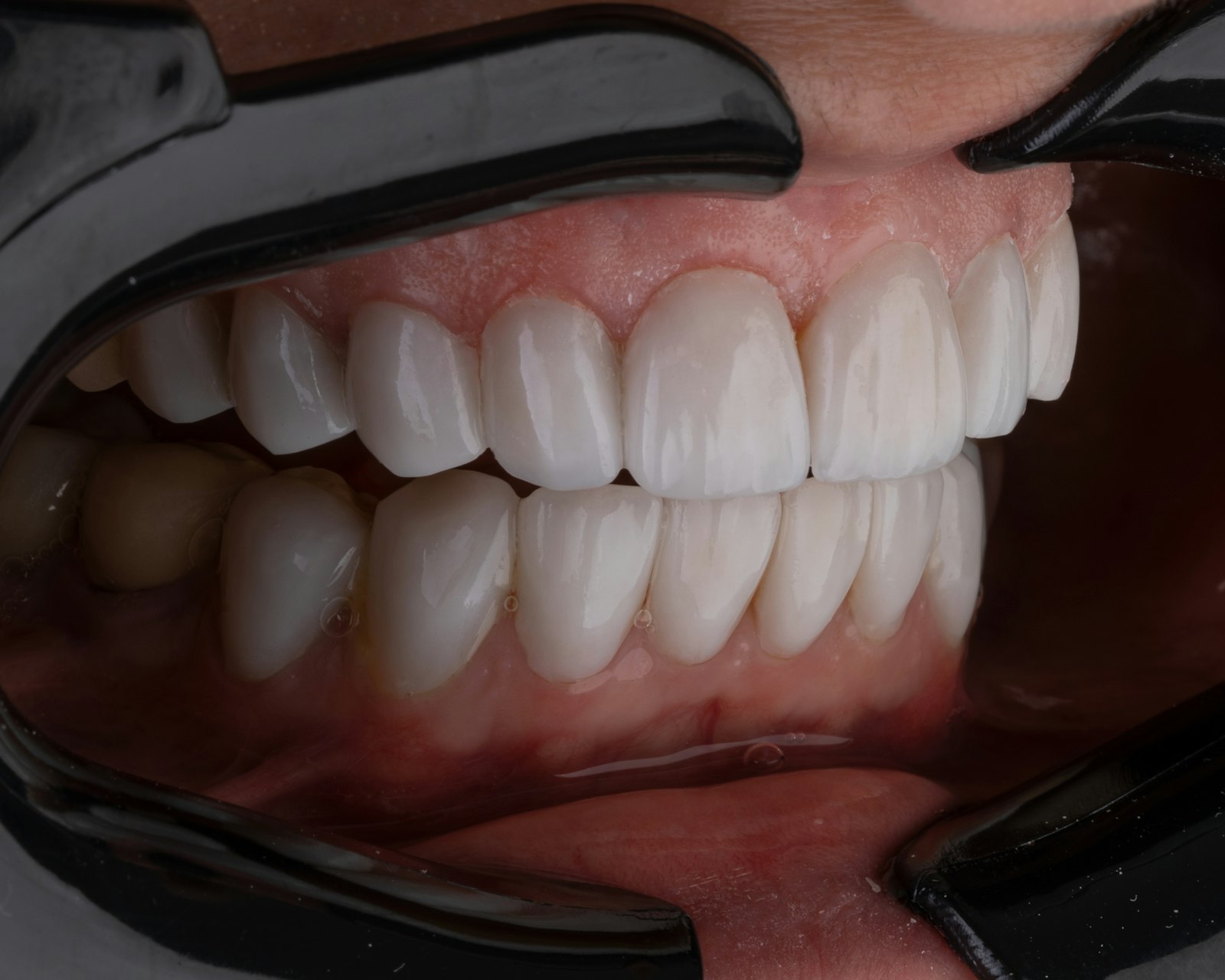

Zygomatic implants are long dental implants that anchor into the cheekbone, the zygoma, instead of the upper jaw. They exist to solve one specific problem: when the upper jaw has lost so much bone that standard implants cannot be placed, the dense cheekbone offers an alternative foundation. The results are strong. Long-term reviews report survival rates of around 96 to 97 percent, and they often allow fixed teeth to be attached quickly, sometimes on the same day, without months of bone grafting first.
This guide explains what zygomatic implants are, who they are for, how they compare to bone grafting, and what the procedure and recovery involve.
Key takeaways
- Zygomatic implants anchor into the cheekbone, not the upper jaw, for people with severe upper-jaw bone loss.
- They can avoid extensive bone grafting and the long healing time it requires.
- Survival rates are high, commonly around 96 to 97 percent over the long term.
- They often support a fixed bridge that can be attached quickly, sometimes the same day.
- They are a specialist procedure, usually done under sedation or general anaesthetic by an experienced surgeon.
Why the upper jaw runs out of bone
When upper teeth are lost, the bone that held them gradually shrinks, a process called resorption. The upper back jaw is especially prone to this because the sinus cavity sits just above it and expands downward into the space over time. After many years without teeth, after failed implants, or after gum disease or cancer treatment, there can be too little bone left to hold a standard implant. The usual options are then to rebuild the bone with grafting, or to bypass it with a zygomatic implant.
Who zygomatic implants are for
They are not a routine option. They are considered when the upper jaw lacks the bone for conventional implants and the patient wants fixed teeth rather than a removable denture. Typical situations include:
- Severe bone loss in the upper jaw after long-term tooth loss
- Previous failed implants or failed bone grafts
- After surgery for tumours or trauma affecting the upper jaw
- People who want to avoid lengthy, staged bone grafting
For most people who simply lack a bit of bone, the standard options in our guides to All-on-4 implants and bone grafts and sinus lifts are more appropriate. Zygomatic implants are reserved for the more extreme cases.
Zygomatic implants versus bone grafting
| Feature | Zygomatic implants | Bone grafting then standard implants |
|---|---|---|
| Treatment time | Often months shorter | Long, with healing between stages |
| Time to fixed teeth | Often days | Many months |
| Number of surgeries | Usually fewer | Often staged |
| Best for | Severe bone loss | Moderate, rebuildable bone loss |
| Complexity | Higher, specialist procedure | Well established |
What the procedure involves
Zygomatic implant surgery is usually carried out under sedation or general anaesthetic. The surgeon places one or two long implants on each side, angling them up through the upper jaw and into the cheekbone, often combined with a couple of standard implants at the front where bone is better. In many cases a temporary fixed bridge is attached within a day or two, so the patient leaves with teeth rather than a healing period without them. The final bridge is fitted once everything has settled.
Recovery and results
Expect facial swelling and some bruising for several days, managed with pain relief and a soft diet. Sinus-related symptoms can occur because the implants pass near the sinus, so your surgeon will give specific aftercare advice. Most failures, when they happen, occur in the first six months, which is why early follow-up matters. Beyond that, long-term survival is high. As with any implant, cleaning and maintenance are vital for the life of the result, and the same risk of inflammation applies, as covered in peri-implantitis treatment.
General cost in Australia
Zygomatic implant treatment is among the more involved implant procedures, and cost reflects the surgical complexity and the full-arch bridge. The figures below are general market ranges, not a quote.
| Treatment | Typical Australian range | Notes |
|---|---|---|
| Zygomatic implant full-arch rehabilitation | $25,000 to $45,000+ | Per arch, including the fixed bridge |
| Standard All-on-4 (for comparison) | $23,000 to $35,000+ | When enough bone is present |
The team at Lumi Dental does not list its own prices here. For current options and a written quote, see our current offers or our dental implants page.
Frequently asked questions
Are zygomatic implants safe?
In experienced hands they have a strong track record, with long-term survival commonly around 96 to 97 percent. Like any surgery they carry risks, including sinus-related complications, so they should be done by a surgeon experienced in the technique after careful planning.
Can I get teeth on the same day?
Often yes. A key advantage of zygomatic implants is that a temporary fixed bridge can frequently be attached within a day or two, so many patients avoid a long period without teeth.
Are zygomatic implants better than bone grafting?
Neither is universally better. Zygomatic implants suit severe bone loss and avoid lengthy grafting, while grafting then standard implants suits moderate, rebuildable bone loss. The right choice depends on how much bone you have and your goals.
Do zygomatic implants hurt?
The surgery is done under sedation or general anaesthetic, so you do not feel it at the time. Afterward, swelling and discomfort for several days are normal and are managed with pain relief and a soft diet.
The bottom line
Zygomatic implants are a specialist solution for people whose upper jaw has too little bone for standard implants. By anchoring into the cheekbone, they can deliver fixed teeth quickly and reliably while avoiding extensive grafting. They are not a first-line option, but for the right patient they can be the difference between a removable denture and a fixed result. If you have been told you lack the bone for upper implants, the team at Lumi Dental in Melrose Park can review your options. See our current offers to book a consultation.

