
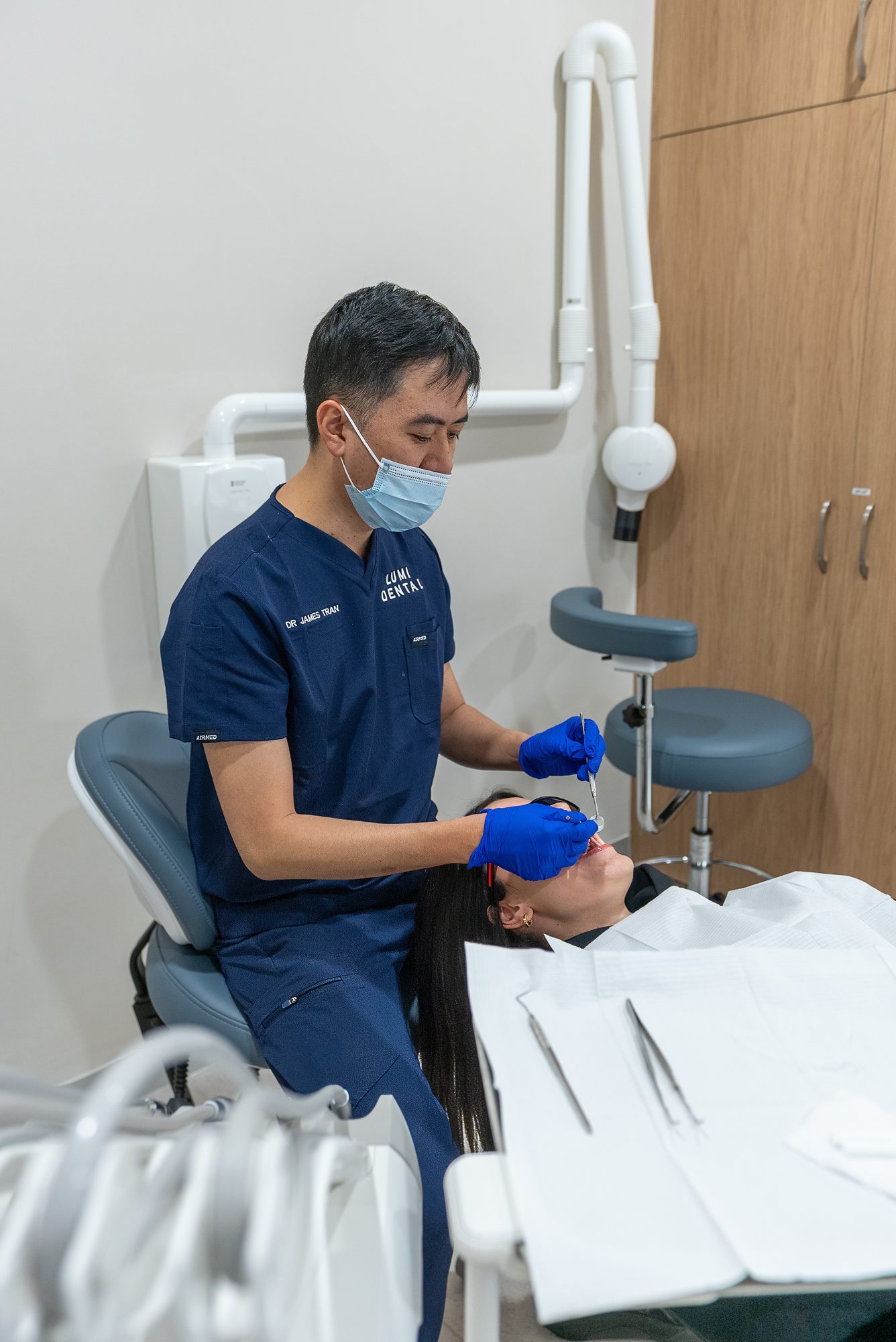

Adult palatal expansion with MARPE (mini-implant assisted rapid palatal expansion) uses small screws placed in the bone of the palate to widen a narrow upper jaw when a standard expander is unlikely to work. In children, the two halves of the upper jaw meet at a seam, the midpalatal suture, that has not yet fused, so a tooth-borne expander can open it. In most adults that seam is partly or fully fused. The Australian Society of Orthodontists notes that once these bone junctions have fused, a conventional expander can no longer widen the upper jaw, which is why adult cases need a different approach.
Written by Dr James Tran, general dentist at Lumi Dental, Melrose Park. BDent (University of Sydney), Graduate Diploma in Oral Implants.
The short version
- MARPE anchors the expander to bone with mini-screws instead of relying on the teeth alone.
- It is used in selected adults with a narrow upper jaw, often seen as a crossbite or crowding. It does not suit everyone.
- Planning relies on careful assessment and imaging of the suture, the palate bone and the sinuses.
- Dr James Tran is a general dentist. Lumi Dental assesses adult expansion cases and refers to a registered orthodontist where required.
- Expansion is not a treatment for sleep apnoea on its own. The snoring versus sleep apnoea guide explains why sleep concerns need a medical assessment.
Why an adult jaw does not widen like a child's
Through childhood the midpalatal suture is flexible. Push outward gently and steadily and the two halves of the palate move apart, with new bone filling the gap. Through the teenage years the suture interlocks and gradually fuses. The timing varies a lot between people, so age alone does not tell you much. Some young adults still have a suture that responds.
A conventional expander is held by bands on the back teeth and pushes against them. In a child, that force passes through to the suture. In an adult whose suture has fused, the same force mostly tips the teeth outward and bends the thin bone around their roots. The palate itself barely changes. MARPE gets around this by putting the force into the palate bone directly, through the mini-screws.
For how expansion works in younger patients, see the guide to palatal expanders.
How MARPE works
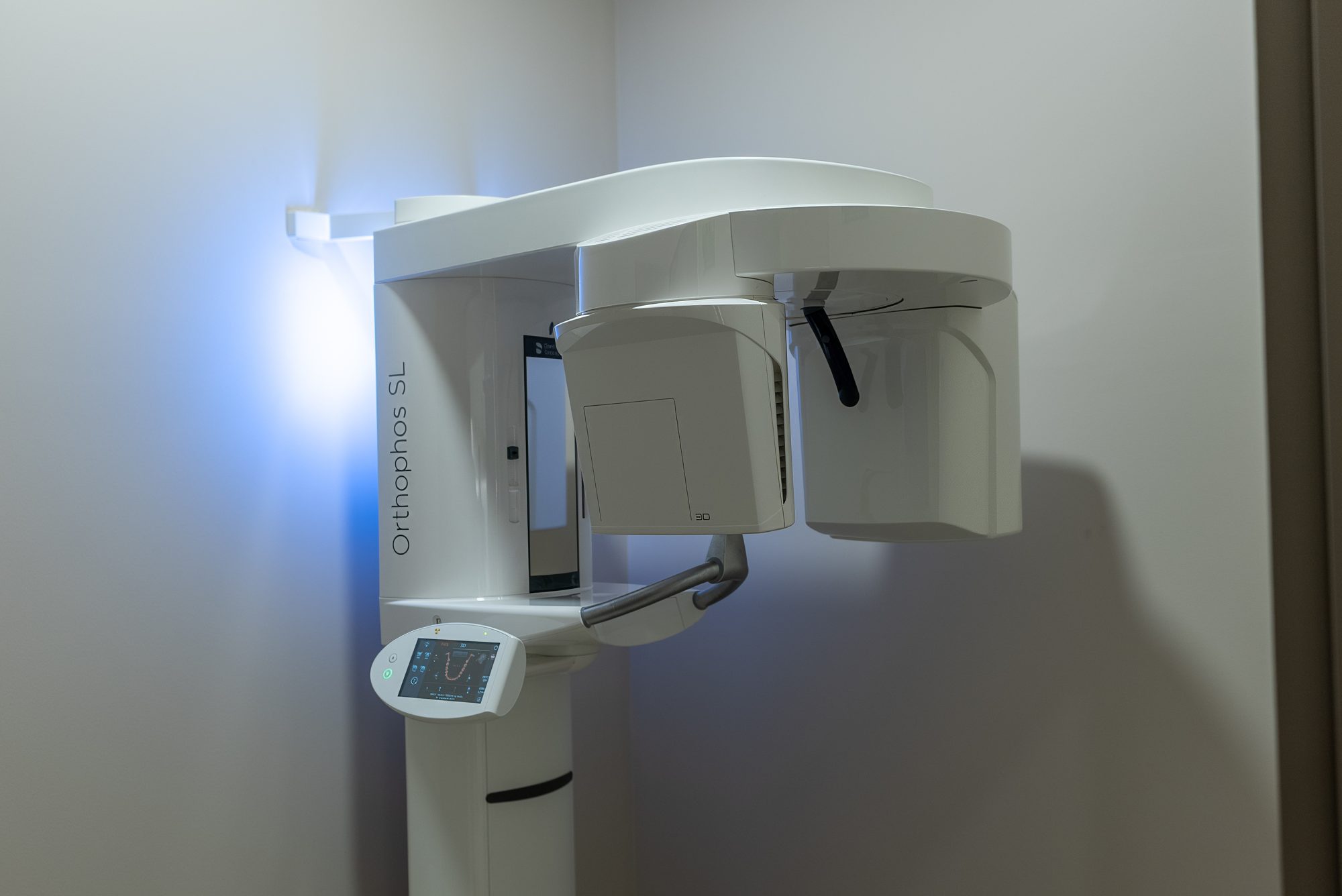
A MARPE appliance has a central expansion screw, arms that attach to the back teeth, and usually two to four small titanium mini-screws placed into the roof of the mouth. The mini-screws go in under local anaesthetic, normally at one visit. Patients tend to describe it as pressure and some noise rather than pain.
From there, the expansion screw is turned in small steps with a little key, usually at home, on a schedule the treating orthodontist sets. When the suture starts to open, people often feel pressure across the nose and cheekbones. Then a gap appears between the upper front teeth, sometimes over a few days. That gap is expected. It is usually closed later with braces or aligners.
Once the jaw is wide enough, the appliance stays in for several months while the new bone in the suture matures.
What the process usually involves
- Examination, photos, scans and a frank talk about what you want to change
- Imaging to check the suture, bone thickness and sinuses
- Fitting the appliance and placing the mini-screws
- Turning the screw, with regular check visits
- A retention phase, then aligning the teeth with braces or aligners if needed
What the research shows
A systematic review and meta-analysis in the Korean Journal of Orthodontics pooled 3D imaging studies of MARPE in late adolescents and adults. It concluded that MARPE could widen a narrow upper jaw in this group. A little over half of the widening measured at the back of the palate came from the bone itself. The rest came from the bone around the teeth bending and the teeth tipping.
So it is not pure bone movement, and results vary. In some adults the suture does not open at all and the plan has to change, which is why imaging comes before any appliance.
Child and adult expansion side by side
| Feature | Child or young teenager | Adult |
|---|---|---|
| Midpalatal suture | Usually open and flexible | Often partly or fully fused |
| Usual appliance | Expander banded to the back teeth | Bone-anchored appliance with mini-screws (MARPE), or surgically assisted expansion in some cases |
| Main aim | Widen the palate and make room as teeth come through | Widen the palate in selected cases while limiting tooth tipping |
| Assessment | Exam, scans and a look at growth | Detailed imaging of the suture, bone thickness and sinuses |
| Common side effects | Soreness, speech changes, relapse | Those, plus loose mini-screws, gum irritation and a suture that does not open |
| Time | Often a few months of expansion plus retention | Expansion, then a longer retention and orthodontic phase |
Parents can read what to expect from a palate expander for kids.
Who might be considered
Orthodontists typically look at MARPE for adults with a narrow upper jaw. On the chair that often shows up as a crossbite, where the upper back teeth sit inside the lowers, crowded upper teeth, or a high, narrow palate. Some of these patients also mention a blocked nose or mouth breathing. Mouth breathing in adults has several possible causes, and the width of the jaw is only one of them.
MARPE may be less suitable if there is active gum disease, very thin palate bone, an awkward sinus position, or medical conditions or medicines that affect bone healing. It is also unnecessary if the problem can be handled more simply, for example with aligners alone.
Expansion and sleep apnoea
Some studies have reported better nasal airflow or sleep measures after expansion in selected patients. The evidence is mixed, and it cannot be applied to everyone. Sleep apnoea is a medical diagnosis. Healthdirect explains that it starts with your GP and often involves a sleep study. Nobody should promise that widening your palate will fix snoring or sleep apnoea. If sleep is your main concern, start with your GP, and read about a dentist-made oral appliance for sleep apnoea as one of the options a doctor may discuss.
How we approach this at Lumi Dental
Lumi Dental is a general and cosmetic practice at Melrose Central, Melrose Park. Dr James Tran is a general dentist, not an orthodontist, and Lumi does not place MARPE appliances. What the team does is the first assessment and the referral.
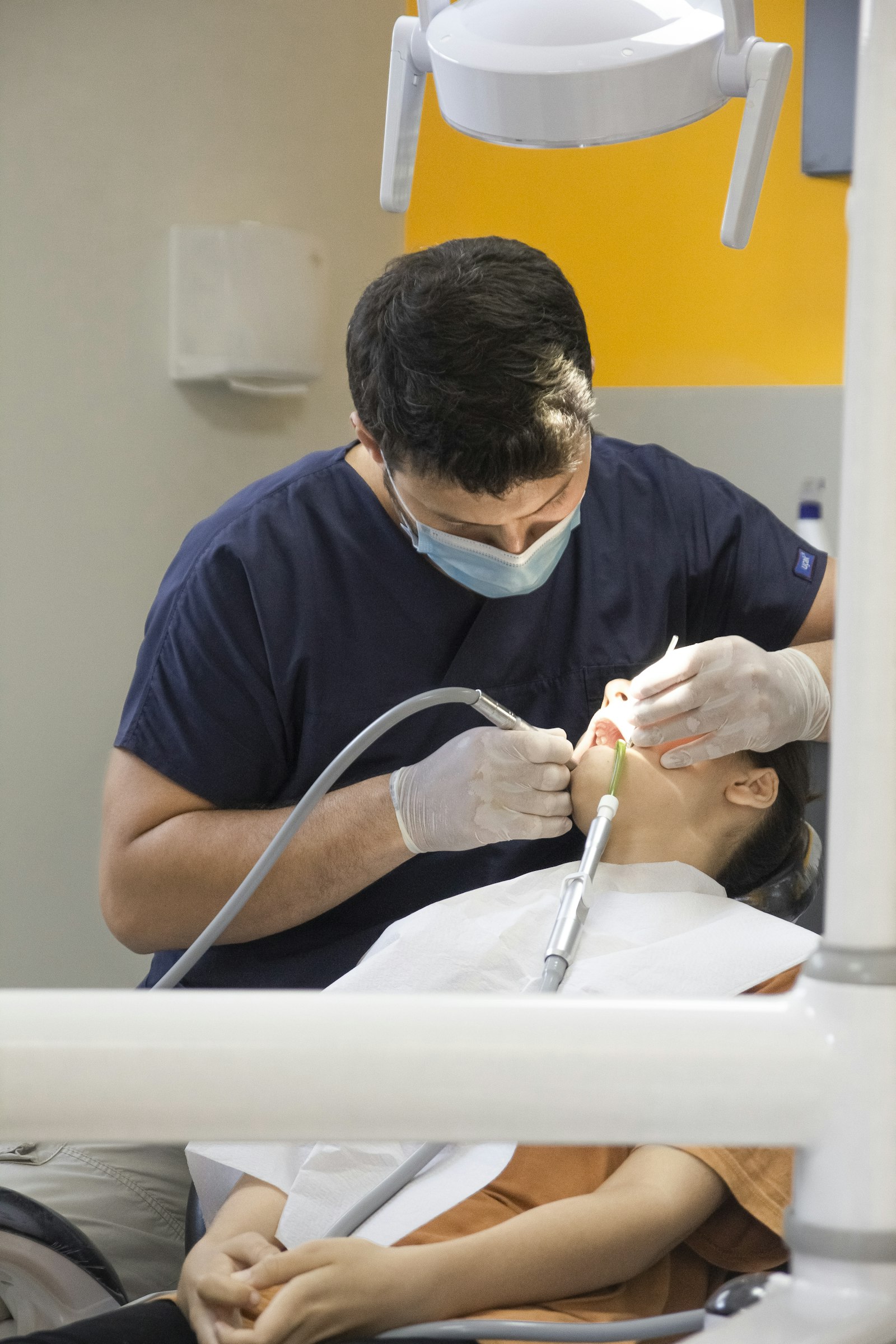
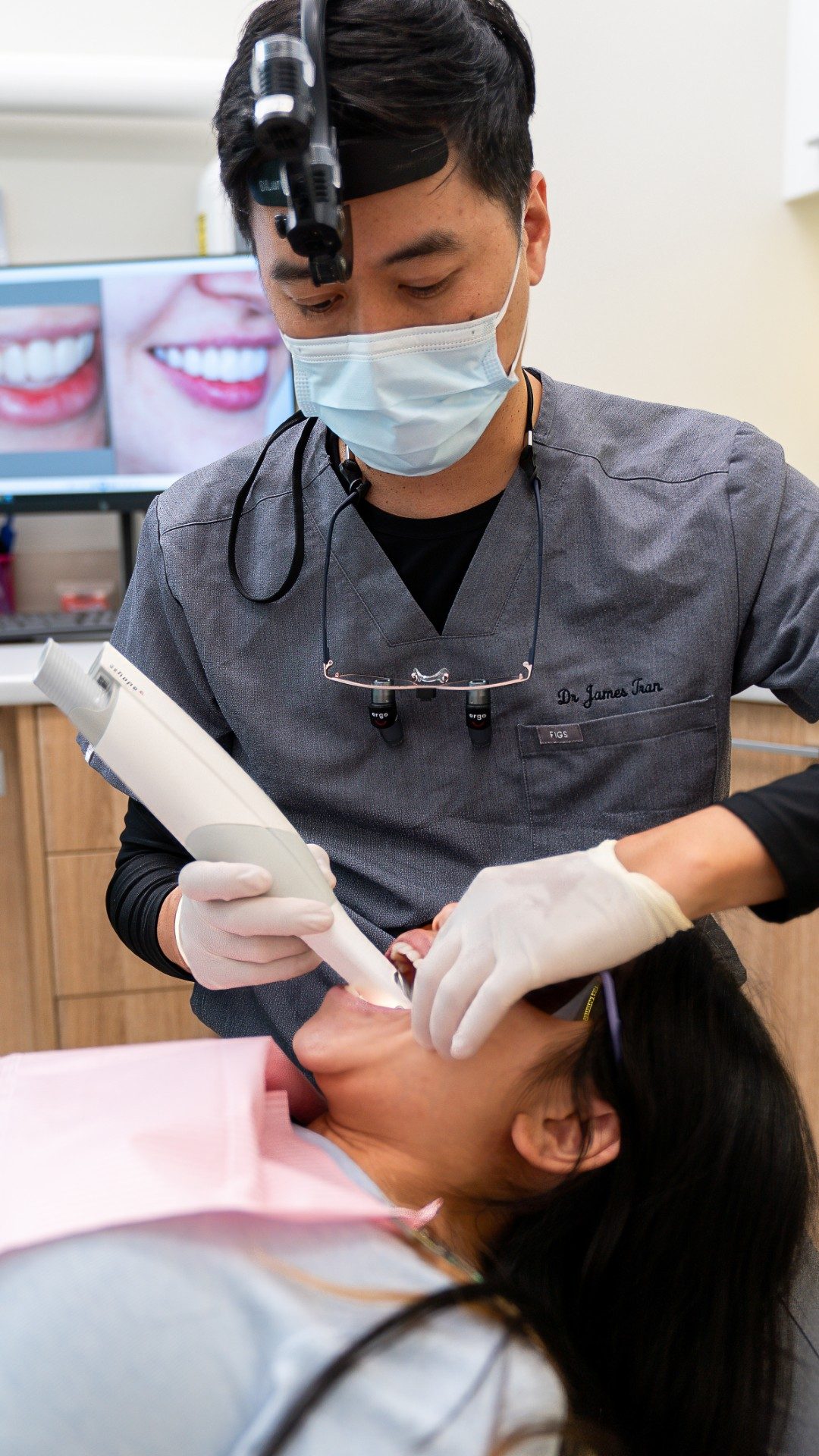
At that visit I examine your bite, gums and existing dental work, and we take a 3D intraoral scan of your teeth. When I look at a scan of a narrow upper arch with a patient, the crossbite and the shape of the palate are usually easy to see on the screen. If X-rays are needed, the practice has an Orthophos 3D X-ray unit for OPG and 3D scans. Where MARPE looks worth exploring, we refer you to a registered orthodontist, a specialist registered with the Dental Board of Australia, who plans and carries out the treatment.
Orthodontic work goes better on healthy gums. Our oral health therapists, Sabrina Tran and Jennifer Nguyen, see patients for cleans and gum care beforehand.
Questions to bring to the orthodontist
- Is my suture likely to open, and how will you check?
- Are aligners alone, or surgically assisted expansion, worth considering instead?
- Who handles a loose screw or a problem out of hours?
- What is the total cost in writing, including retention and later alignment?
Risks and limits
MARPE is an established technique, but it is active treatment with real side effects. Expect pressure while turning, a temporary lisp or extra saliva, food trapping around the appliance and some gum irritation. A mini-screw can loosen or come out. The front-teeth gap is expected. Relapse is possible, which is why retention matters, and most adults then need braces or aligners to finish. Results vary and no outcome can be promised.
Questions patients ask
Can adults get a palate expander?
Yes, in selected cases. Because a standard tooth-borne expander has limited effect once the suture fuses, adults are usually assessed for a bone-anchored appliance such as MARPE or for surgically assisted expansion.
Does MARPE hurt?
Most people describe pressure and tightness rather than sharp pain. The mini-screws are placed under local anaesthetic.
How long does adult palatal expansion take?
The active widening often takes weeks to a few months, followed by several months of retention. Aligning the teeth afterwards adds to the total time.
Will MARPE fix my snoring or sleep apnoea?
Not reliably, and it should not be promised. Sleep apnoea needs a medical assessment, and expansion is at most one part of a wider plan.
Does Lumi Dental do MARPE?
No. Lumi Dental is a general practice that assesses adult expansion cases and refers to a registered orthodontist where required.
Sources
- Australian Society of Orthodontists (Orthodontics Australia): Palatal expanders, what are they and how do they work
- PubMed: Effectiveness of miniscrew assisted rapid palatal expansion using cone beam computed tomography, a systematic review and meta-analysis
- Dental Board of Australia: Specialist registration
- Healthdirect Australia: Sleep apnoea
Talk to Lumi Dental about expansion
If you wonder whether adult palatal expansion applies to you, the team at Lumi Dental in Melrose Park, Sydney, can examine your teeth and bite, explain the options and arrange a referral where it is needed. Read more about expansion and airway care, look at clear aligners, or see current deals. A consult and a written quote follow an exam.
About the author
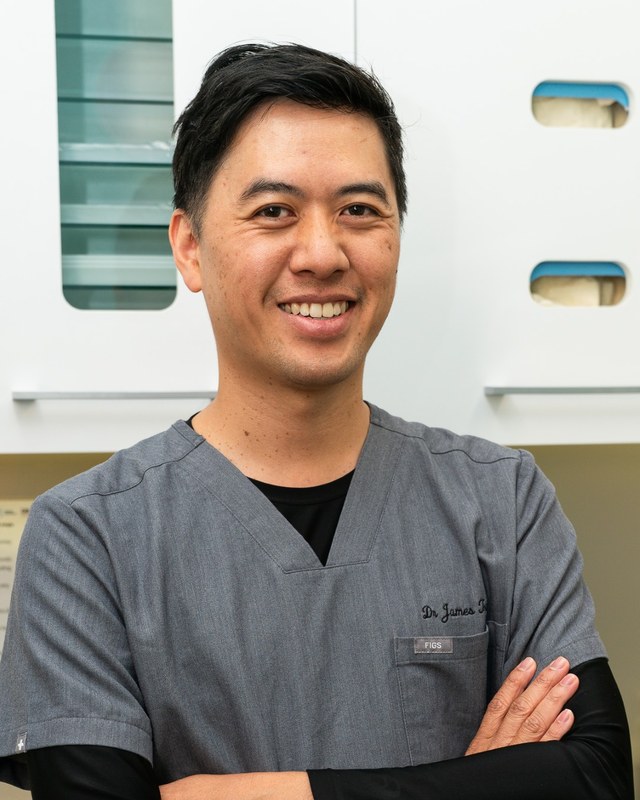
Dr James Tran is a general dentist at Lumi Dental in Melrose Park, Sydney, and is registered with the Dental Board of Australia. He holds a Bachelor of Dentistry from the University of Sydney and a Graduate Diploma in Oral Implants, is a Member of the International Congress of Oral Implantologists (MICOI), and is part of the General Dental Residency faculty. Read more about Dr James.
This article is general information and is not a substitute for advice from your own dentist after an examination. All dental treatment carries risks, and individual results vary.


