

Angelman syndrome commonly affects the mouth, with widely spaced teeth, tongue thrusting, frequent drooling, a wide mouth, and teeth grinding among the most recognised features, so a gentle, well-planned approach to dental care makes a real difference. It is a genetic condition affecting a gene on chromosome 15, and it involves developmental delay, limited speech, movement and balance difficulties, and a characteristically happy, sociable manner. The oral features can affect comfort, cleaning, and the way food is managed, so understanding them helps families and dental teams keep the mouth healthy and visits calm.
Key takeaways
- Angelman syndrome often causes wide-spaced teeth and a wide mouth.
- Tongue thrusting and drooling are common oral features.
- Teeth grinding, known as bruxism, is frequently seen.
- Sucking and swallowing differences can raise the risk of decay.
- Gentle, planned dental care and strong prevention are the priority.
The common oral features
Several mouth-related features are frequently reported in Angelman syndrome. Recognising them helps set up the right support.
| Feature | What it means for care |
|---|---|
| Widely spaced teeth | Gaps can trap food, so cleaning between teeth matters |
| Tongue thrusting and protrusion | Can affect tooth position and make closing the mouth harder |
| Frequent drooling | Often relates to saliva control rather than too much saliva |
| Wide mouth and prominent lower jaw | Part of the characteristic facial pattern |
| Teeth grinding (bruxism) | Common, can wear teeth over time |
Because the tongue, lips, and cheeks may not move in the usual coordinated way, the mouth's natural self-cleaning is reduced and food can linger, which raises the risk of decay. Grinding is very common, and our guide to teeth grinding explains how it affects teeth.
Why decay risk can be higher
Several factors combine to raise the risk of tooth decay. Sucking and swallowing differences can leave food sitting in the mouth longer, developmental and motor challenges make thorough brushing harder, and some children have strong preferences for soft or sweet foods. Medicines taken for seizures or other issues can sometimes be sweetened or can reduce saliva, both of which affect the teeth. None of this is inevitable, and a focused prevention plan keeps most of it in check.
Managing drooling and tongue posture
Drooling in Angelman syndrome is thought to relate mainly to difficulty controlling saliva rather than producing too much, and tongue thrusting and an open mouth posture can add to it. Support is individual and may involve occupational or speech therapy to build oral motor skills and swallowing, exercises to strengthen the lip muscles, and, where drooling is significant, medical options discussed with a paediatrician. A dental team works alongside these therapists rather than in place of them. Calm, familiar routines help, much like the sensory-friendly approach in our guide to gentle dental visits.
Practical dental care tips
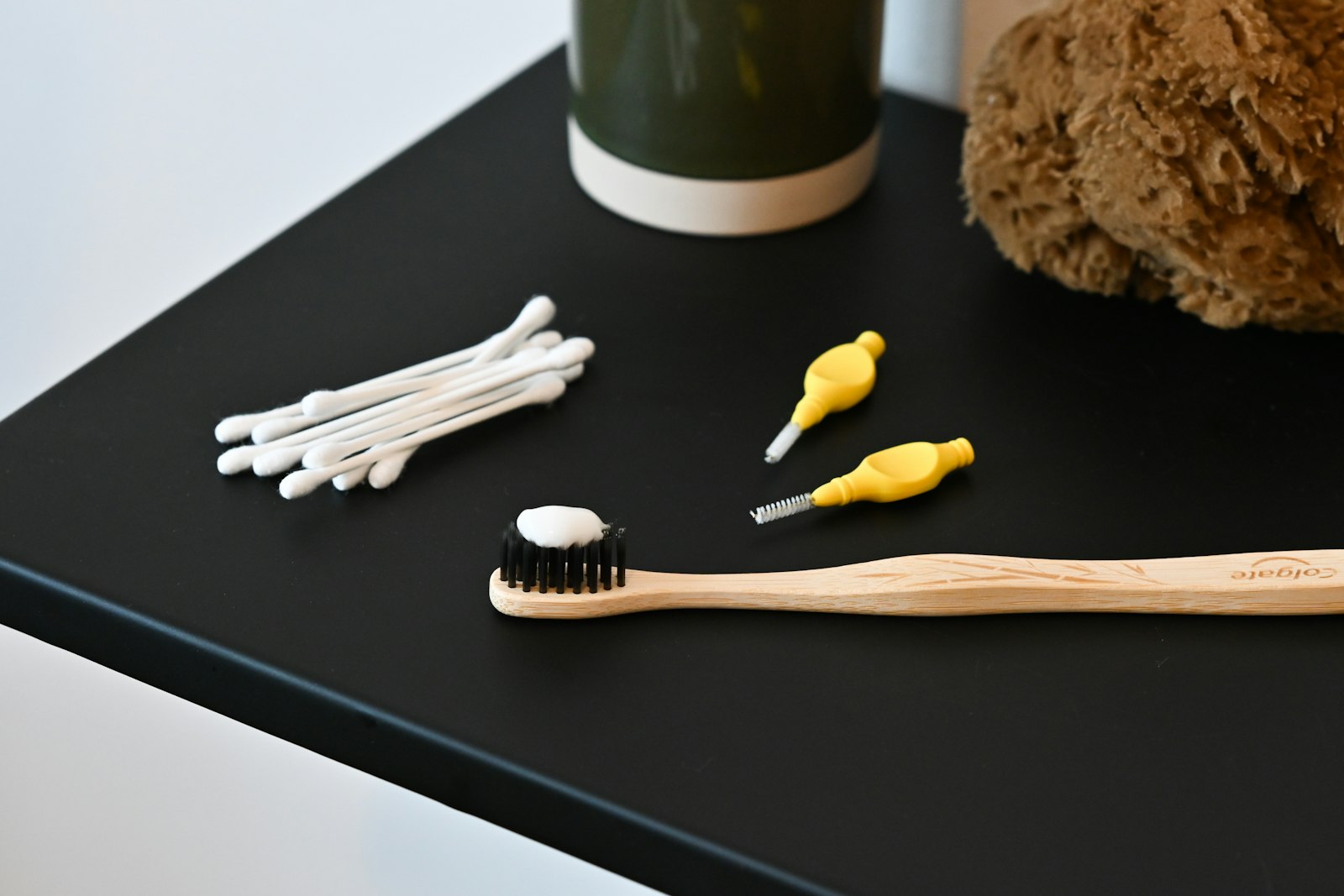
- Brush twice a day with a fluoride toothpaste, giving hands-on help as needed and using a soft brush
- Clean between widely spaced teeth with floss, interdental brushes, or whatever the child tolerates best
- Keep sugary foods and drinks to mealtimes, and ask the pharmacist about sugar-free medicine options where available
- Watch for signs of grinding and discuss whether a protective appliance is suitable
- Build a relationship with a dental team through short, positive, regular visits
- Consider CDBS eligibility, which can help cover basic dental services for eligible children
Prevention is the backbone of care, and our guide to preventing decay covers the daily basics, while fluoride varnish adds extra protection at check-ups.

Making dental visits easier
Planning helps visits go smoothly. Booking a quiet time of day, keeping appointments short and predictable, bringing a familiar comfort item, and letting the team know what settles and unsettles the person all make a difference. Because cooperation can be limited, some treatment may need extra support, and in certain cases care under sedation or general anaesthetic is arranged in a hospital setting with the right medical team. The sociable, happy nature many people with Angelman syndrome share can actually help build rapport with a familiar dental team over time. Lumi Dental does not provide general anaesthetic itself and refers where it is genuinely needed, though IV sedation is available at the practice.
Frequently asked questions
What are the main oral features of Angelman syndrome?
Widely spaced teeth, tongue thrusting, frequent drooling, a wide mouth with a prominent lower jaw, and teeth grinding are the most commonly reported oral features.
Why is tooth decay a bigger risk?
Sucking and swallowing differences let food linger, thorough brushing is harder, and some medicines affect the teeth. A focused prevention plan keeps the risk down.
Can anything help with drooling?
Yes. Occupational and speech therapy, oral motor exercises, and, where needed, medical options discussed with a paediatrician can all help improve saliva control.
How can I make dental visits easier?
Choose a quiet time, keep visits short and predictable, bring a comfort item, and build a relationship with a familiar team through regular positive visits.
Is teeth grinding a problem in Angelman syndrome?
Grinding is common and can wear the teeth over time. A dentist can monitor it and advise whether a protective appliance is suitable.
Speak with the team at Lumi Dental
If you care for someone with Angelman syndrome, the team at Lumi Dental in Melrose Park can help build a gentle, practical oral care plan. Read more about general dental care or view current new-patient offers on the current deals page.
This article is general information only and is not a substitute for personal medical or dental advice. Please see your dentist and care team for advice about your situation.


