


Angular cheilitis is the sore, cracked, sometimes crusted skin that forms at one or both corners of the mouth. It is common, it is not contagious, and it usually clears within about two weeks once the underlying cause is treated. The key point most people miss is that the cracks themselves are rarely the whole story. They are usually a sign that saliva is pooling in the corners and a yeast or bacterial overgrowth has taken hold, and often there is a dental or nutritional reason sitting behind that.
Key takeaways
- Angular cheilitis is inflammation at the corners of the mouth, not the same as a cold sore.
- The most common cause is a fungal (Candida) overgrowth where saliva collects and the skin stays damp.
- A drop in the height of the bite, often from worn teeth or ageing dentures, deepens the corner folds and makes it more likely.
- Treatment usually combines an antifungal cream with addressing the cause, and it often clears in about two weeks.
- If it keeps returning, the cause is often dental or nutritional rather than the skin itself.
Cold sore or angular cheilitis?
The two are often confused, but they sit in different places and behave differently. A cold sore is a viral blister, usually on the lip or just outside it, that tingles then crusts and is contagious. Angular cheilitis sits right in the crease at the corner of the mouth, tends to be cracked rather than blistered, and is not passed from person to person. Our guide to cold sores versus mouth ulcers helps tell the viral causes apart.
The one rule: treat the cause, not just the crack
Creams alone often fail because they do not address why the corners stay wet in the first place. The most useful way to think about angular cheilitis is that something is keeping the corners damp and folded, and a microbe is taking advantage. Fix the dampness and the fold, treat the microbe, and it usually settles. Keep applying lip balm over the top without addressing the cause and it tends to come back.
What causes angular cheilitis
Fungal or bacterial overgrowth
The most common driver is Candida, the same yeast behind oral thrush, which thrives in the warm, moist corner of the mouth. Bacteria such as staph can be involved too. Our guide to oral thrush in adults explains the same organism in a different setting.
A lower bite and deep corner folds
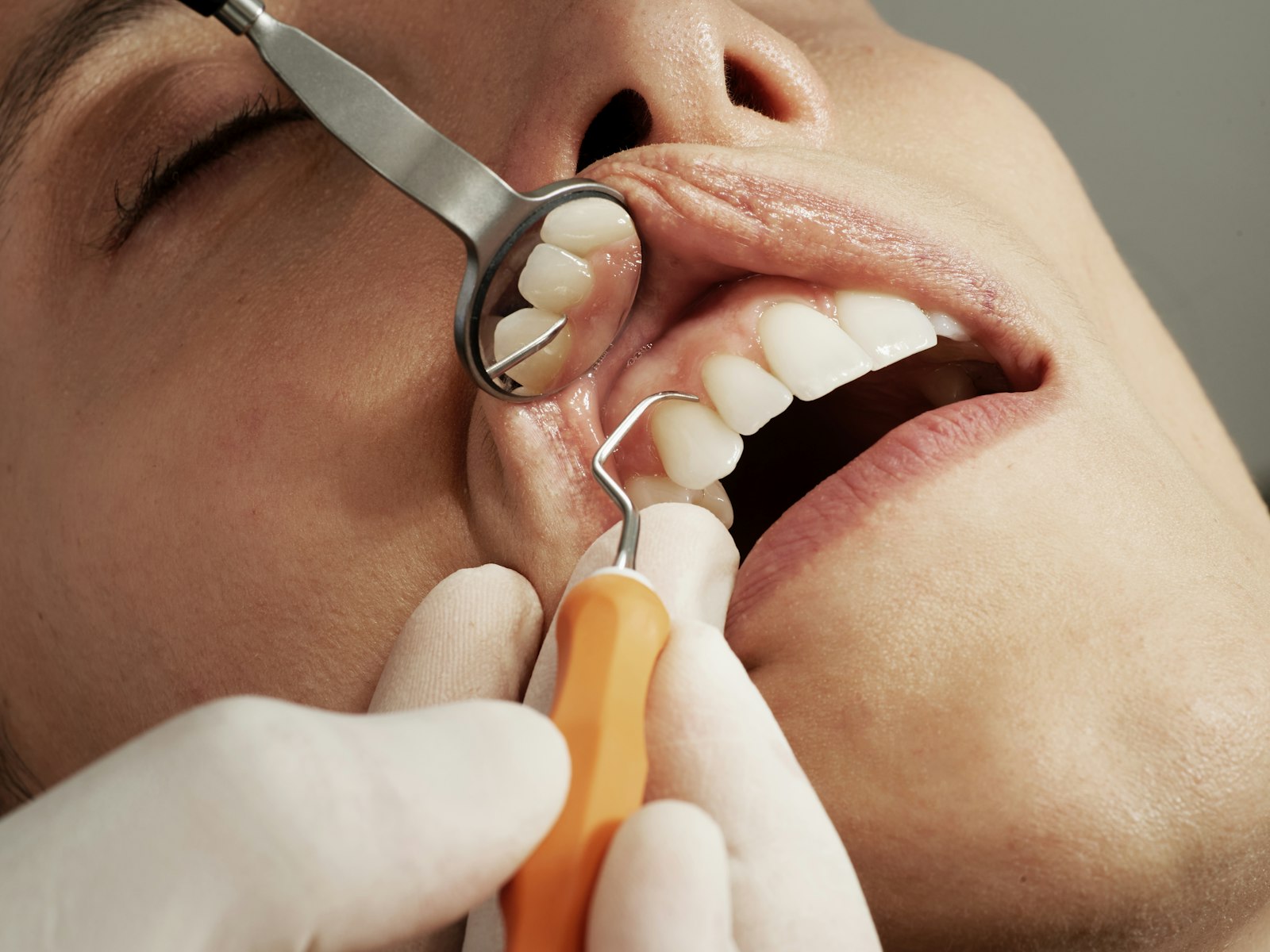
When teeth wear down, are lost, or a denture ages and loses height, the face shortens a little and the corners of the mouth fold inward more deeply. Saliva then sits in those folds. This is one of the most common reasons angular cheilitis keeps returning in older adults and denture wearers, and our guide to dentures covers when a reline or remake restores lost height.
Saliva habits and dry skin
Lip licking, drooling during sleep, and dribble from a dummy in younger children all keep the corners damp. Cold weather and dehydration dry and split the skin further.
Nutritional and medical factors
Low iron, vitamin B12, folate or zinc can make the corners more prone to cracking, as can diabetes and conditions that affect the immune system. Persistent cases that do not respond to the usual measures are sometimes a prompt for a doctor to check these.
How angular cheilitis is treated
| Step | What it does | Typical approach |
|---|---|---|
| Antifungal cream | Clears the Candida overgrowth | Pharmacist guided, applied to the corners, often around two weeks |
| Barrier ointment | Keeps saliva off the healing skin | Petroleum jelly or a lip barrier between applications |
| Address the bite | Reduces the deep fold that traps saliva | Denture reline or remake, or restoring worn teeth |
| Check nutrition | Corrects an underlying deficiency | Doctor review for iron, B12, folate or zinc if recurrent |
For a first, mild episode, a pharmacist can often guide an over the counter antifungal and a barrier ointment. If it does not clear in a couple of weeks, keeps coming back, or sits alongside worn teeth or a loose denture, a dental assessment is the next step because the cause is likely mechanical. Worn teeth that have lost height may be restored, and our guides to inlays, onlays, crowns and fillings explain how lost tooth structure is rebuilt.
Frequently asked questions
Is angular cheilitis contagious?
No. Unlike a cold sore, it is not passed from person to person. The yeast involved is one most people already carry harmlessly.
How long does it take to heal?
With the right treatment it often settles in about two weeks. If it has not improved by then, the underlying cause probably needs attention.
Why does mine keep coming back?
Recurrence usually means the cause has not been addressed, most often a deep corner fold from worn teeth or an ageing denture, or an untreated nutritional deficiency.
Can lip balm fix it?
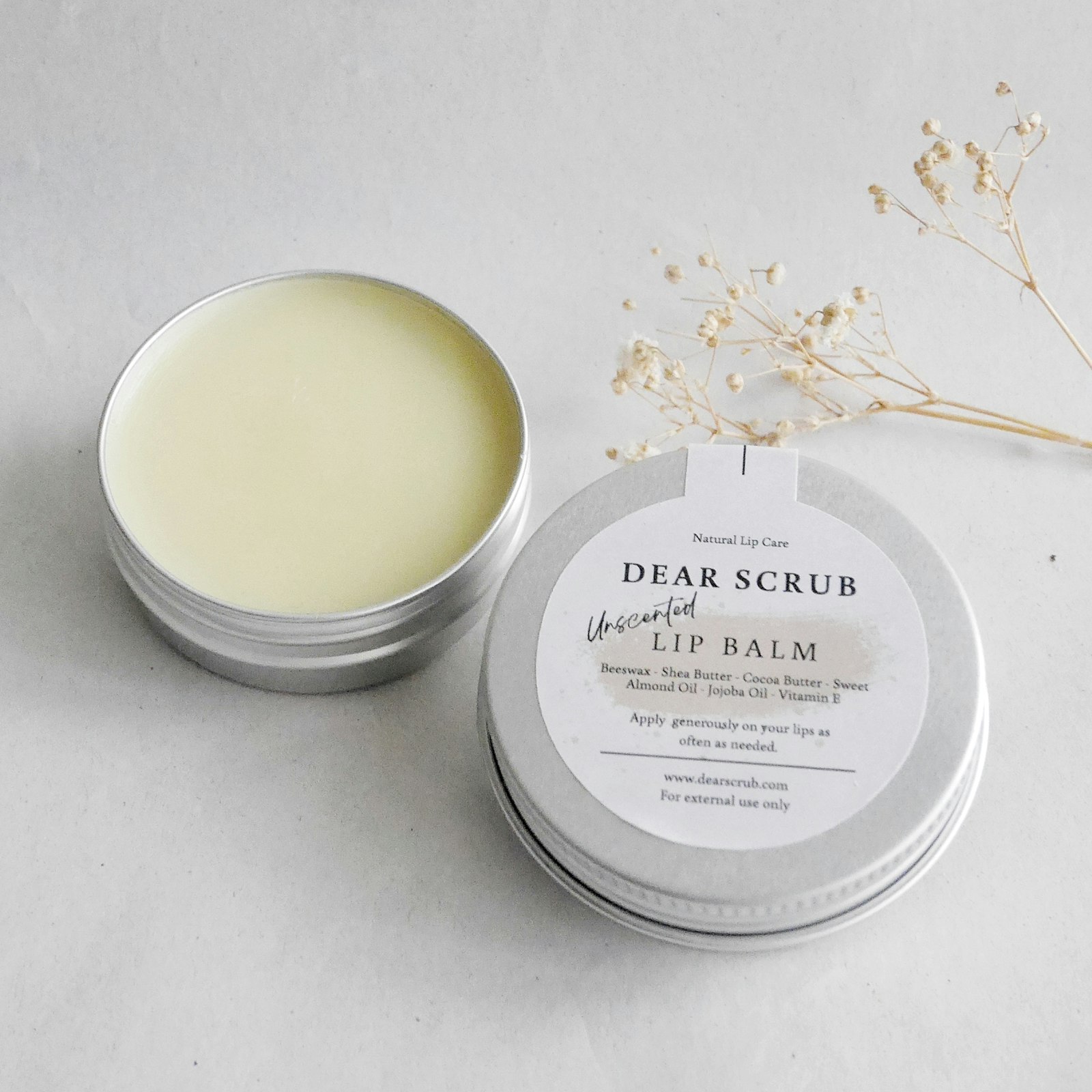
Lip balm protects the skin but does not clear the infection or correct the cause, so on its own it rarely resolves true angular cheilitis.
Should I see a dentist or a doctor?
A pharmacist is a good start for a first mild case. See a dentist if it recurs or your bite or denture seems involved, and a doctor if you suspect a deficiency or it persists.
The takeaway
Angular cheilitis is common and treatable, but lasting relief comes from treating the cause, not just the crack. Clearing the fungal overgrowth, keeping the corners dry, and correcting a low bite or ageing denture are what stop it returning. If yours keeps coming back, the team at Lumi Dental can check whether worn teeth or a denture are to blame. See our current deals page or read about general dental care at our Melrose Park practice. This article is general information and not a substitute for personal dental or medical advice.

